

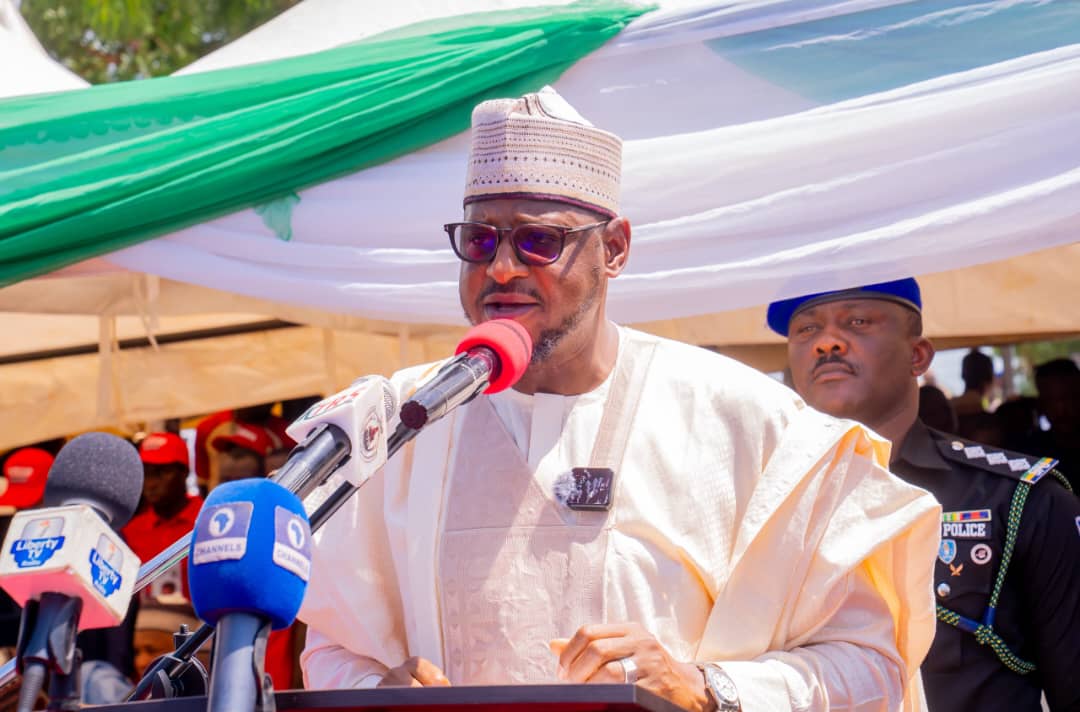
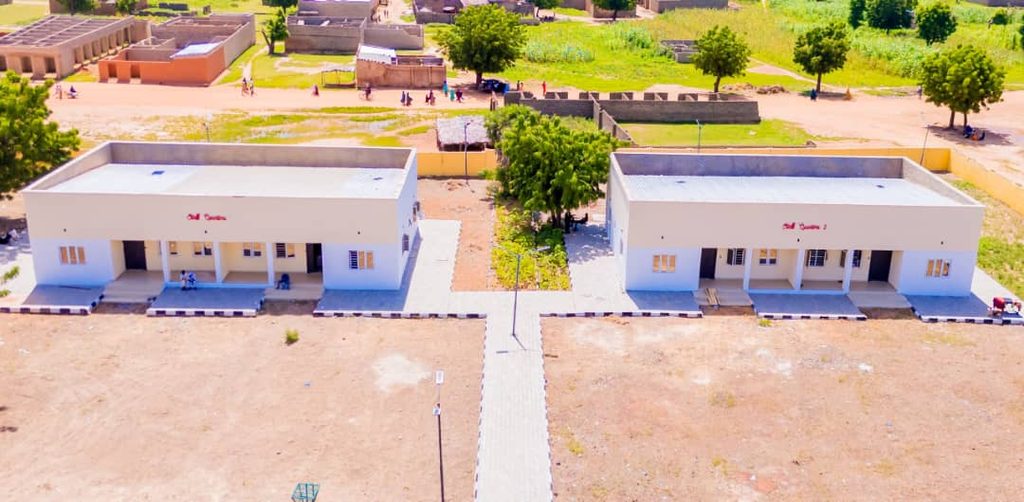
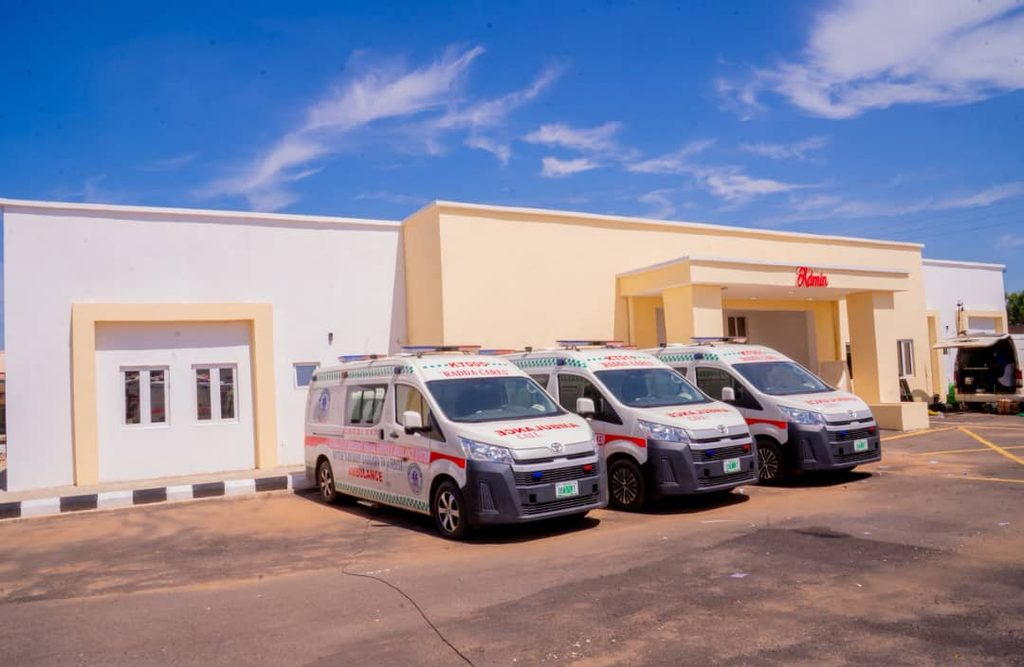
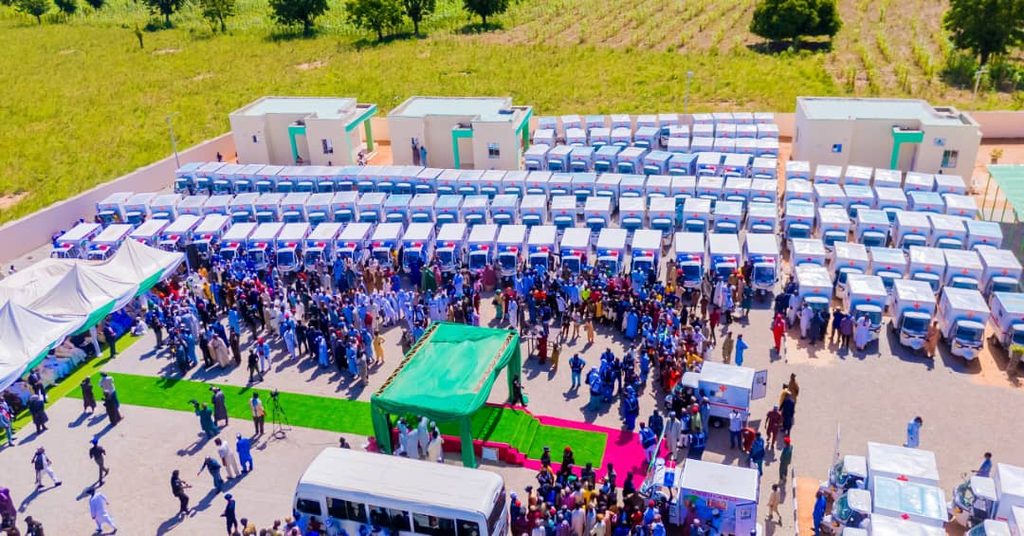
Katsina State Governor Dikko Umaru Radda has commissioned a newly upgraded General Hospital in Charanchi and launched 238 Tricycle Ambulances and 18 Advanced Life Support Ambulances as part of efforts to expand healthcare access and strengthen emergency response across the state.
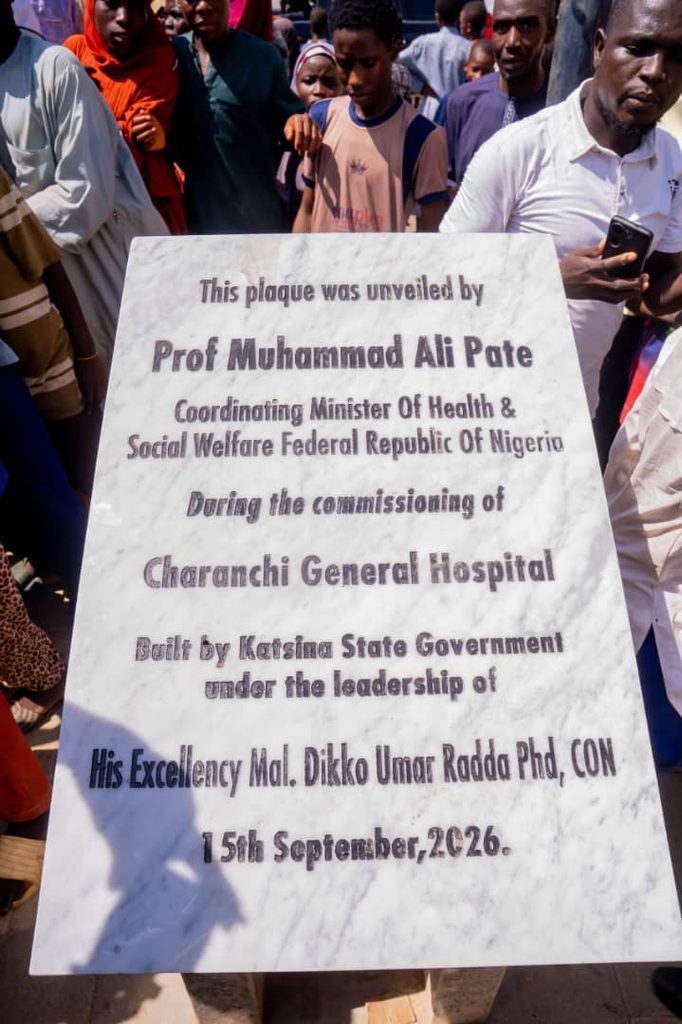
The Coordinating Minister of Health and Social Welfare, Prof. Muhammad Ali Pate, who commissioned the facilities and ambulances on Tuesday, commended the Katsina State Government for its investments in healthcare infrastructure, emergency response and affordable healthcare services.

According to a statement issued by the Katsina State Government, Pate disclosed that health insurance enrolment in Katsina had increased from about 350,000 beneficiaries in 2023 to nearly 600,000 in 2026.
He added that more than 184,000 new beneficiaries had been enrolled across the state’s 361 wards through the Basic Health Care Provision Fund.
“Katsina State has demonstrated that when there is commitment to counterpart financing and healthcare reform, significant progress can be achieved in expanding access to healthcare,” Pate said.
The minister commended the state for providing ₦243 million in counterpart funding and urged other states to demonstrate similar commitment to healthcare financing and reforms.
He also announced that President Bola Ahmed Tinubu had donated three additional ambulances to Katsina, increasing the number of Advanced Life Support Ambulances launched from 15 to 18.
Pate further commended the state’s response to the diphtheria outbreak and called on traditional, religious and community leaders to intensify advocacy for childhood vaccination.
361 Wards to Receive Tricycle Ambulances
Speaking at the commissioning in Charanchi Local Government Area and the ambulance launch at Koda Primary Healthcare Centre, Governor Radda said the interventions were designed to save lives, improve referrals and reduce delays in accessing medical care, particularly for residents in rural and hard-to-reach communities.
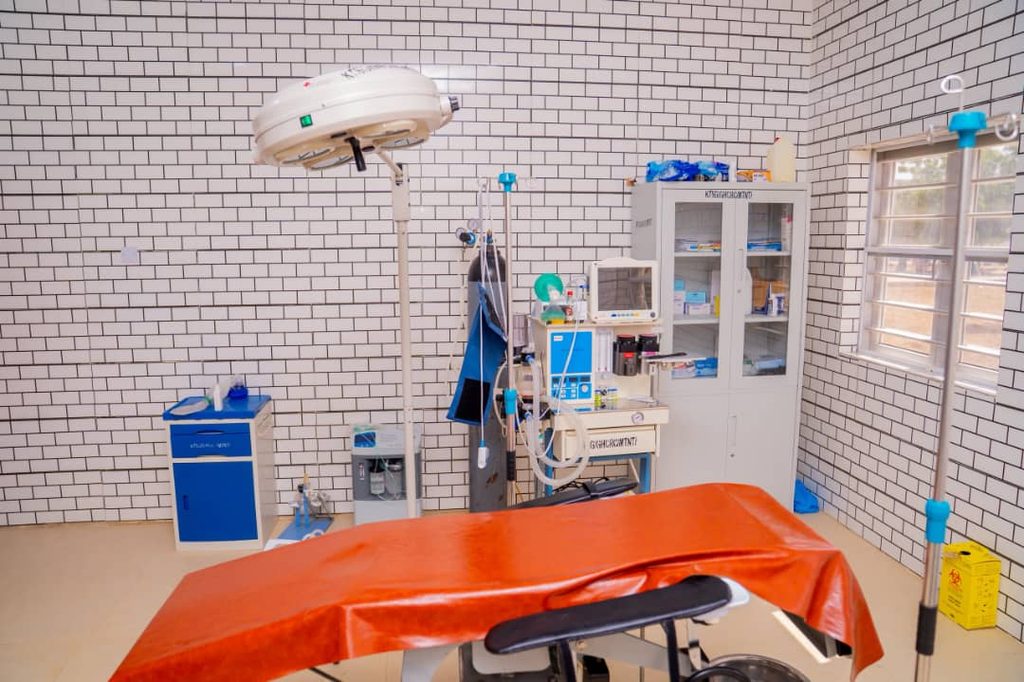
“The General Hospital Charanchi is one of the six secondary healthcare facilities established by this administration. It is designed to provide quality and comprehensive healthcare services to the people of Charanchi and surrounding communities,” Radda said.
The newly upgraded General Hospital Charanchi, formerly a Comprehensive Health Centre, is equipped to provide diagnostic, medical, surgical, maternity, emergency and other essential healthcare services to residents of Charanchi and neighbouring communities.
Radda said Charanchi was the fourth of the six secondary healthcare facilities being established by his administration, adding that the general hospitals in Faskari and Mai’adua were at advanced stages and expected to be commissioned before the end of 2026.
At the primary healthcare level, the governor said more than 280 Comprehensive Primary Healthcare Centres had been renovated and revitalised, while the remaining 80 were expected to be completed to provide upgraded facilities across all 361 wards.
The facilities are designed to operate round the clock and include staff quarters, healthcare personnel, water supply, solar electricity, basic medical equipment and Tricycle Ambulances for referrals to secondary healthcare facilities.
The governor said the establishment of the Katsina State Emergency Medical Services and Ambulance System, alongside the ambulance deployment, would strengthen emergency response and create a more effective referral system across the state.
The Executive Secretary and State Coordinator of the Katsina State Emergency Medical Services and Ambulance System, Dr Adamu Saminu Adamu, said the 238 Tricycle Ambulances launched were the first batch of the 361 planned for the state’s 361 wards.
The Executive Secretary of the Katsina State Primary Health Care Development Agency, Dr Shema’u, said the ambulances would strengthen referrals, particularly for pregnant women and other patients in hard-to-reach communities, and contribute to reducing preventable maternal and newborn deaths.
Katsina Expands Health Insurance for Vulnerable Residents
Radda also disclosed that 20,000 inmates, 20,000 persons living with disabilities and 50,000 personnel of the Katsina State Community Watch Corps and vigilante groups had been enrolled for free health insurance.
He said the measure reflected the administration’s efforts to extend healthcare coverage to vulnerable residents and personnel contributing to community security.
The governor also highlighted ongoing investments in hospital solarisation, a pharmaceutical manufacturing centre and a modern diagnostic and therapeutic imaging centre at Gash.
He said the administration had invested in specialist medical equipment, including a 3.0 Tesla MRI machine, cancer treatment technology and modern equipment for specialist theatres and laboratories.
According to Radda, pacemaker and implantable cardioverter-defibrillator procedures had, for the first time in the state, been successfully performed on five patients at Gash Hospital.
Government Expands Healthcare Workforce
On healthcare manpower, Radda said the administration had recruited more than 804 personnel for secondary healthcare facilities and about 3,000 workers for primary healthcare facilities over the last three years.
He added that postgraduate medical residency training had commenced in several departments, while doctors were being sponsored for postgraduate and subspecialisation programmes.
Forty-one medical students had also been sponsored for MBBS studies in Egypt, with other batches sent to Ethiopia and another being prepared for Russia.
Commissioner for Health, Musa Adamu, said the projects demonstrated the governor’s commitment to translating healthcare policies into practical interventions that directly benefit residents.
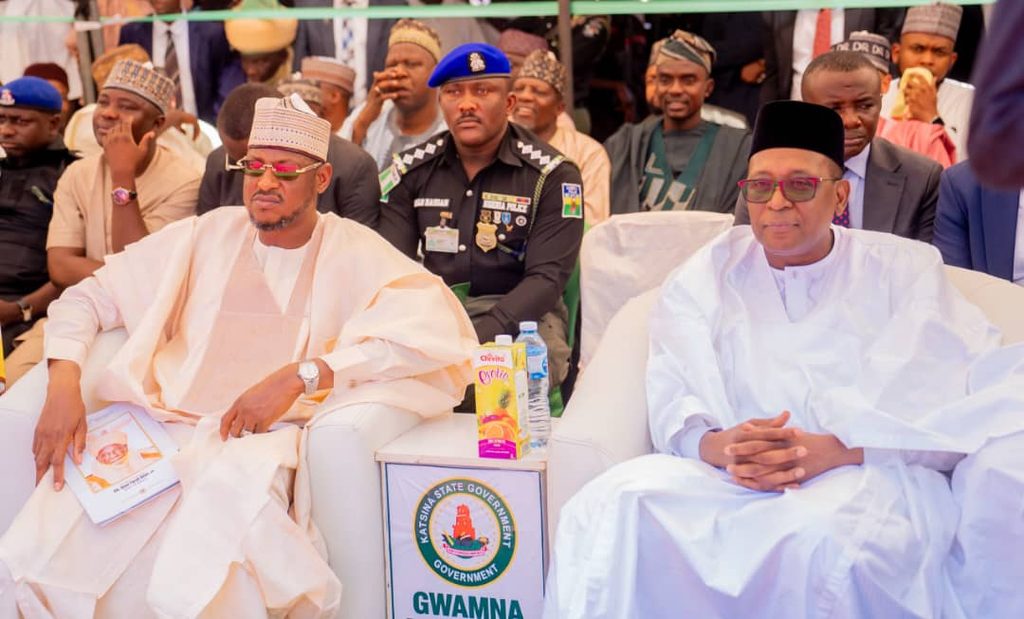
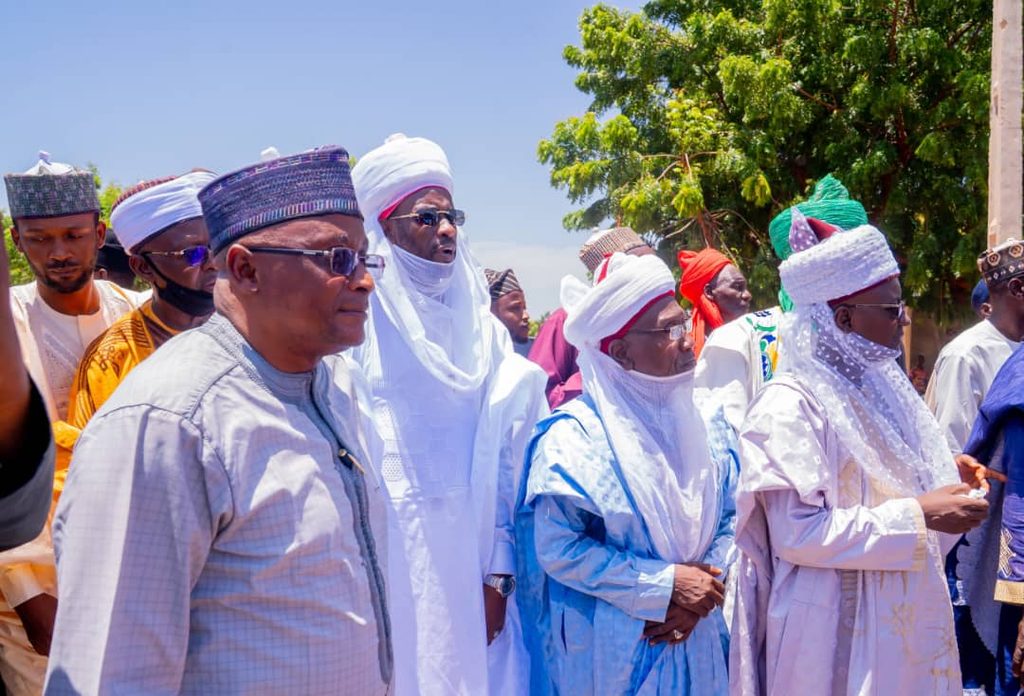
The event was attended by the Speaker of the Katsina State House of Assembly, Nasir Yahaya Daura; Director-General/Chief Executive Officer of the National Primary Health Care Development Agency, Dr Muyi Aina; senior government officials; traditional leaders; local government chairmen; development partners; security officials and healthcare professionals.

Author