
Petrol Prices Remain High Despite Crude Oil Price Drop to $73 Per Barrel
Despite a significant drop in global crude oil prices following easing tensions in the Middle East, Nigerians are yet to experience meaningful relief at the petrol pump, with fuel prices remaining above N1,200 per litre across many parts of the country.
The development has sparked growing concerns among consumers and industry stakeholders, who argue that current pump prices no longer reflect prevailing international market conditions.
Global crude oil prices continued their downward trajectory on Wednesday, falling to approximately $73 per barrel, the lowest level recorded since the outbreak of tensions involving the United States and Iran earlier this year.
Market data showed that crude oil declined from $76.75 per barrel on Tuesday to about $73.50 on Wednesday, extending a broader price correction that began after the United States and Iran reportedly reached a peace agreement.
The sharp decline in crude prices follows weeks of volatility triggered by geopolitical tensions in the Middle East, particularly concerns over disruptions to global energy supplies and shipping routes through the strategic Strait of Hormuz.
While international oil markets have reacted positively to the easing tensions, domestic fuel consumers say the benefits have not yet translated into lower petrol prices.
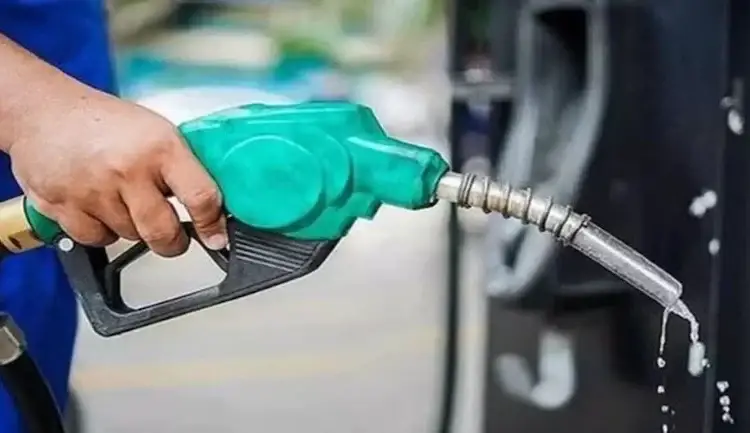
Across several filling stations nationwide, petrol was still being sold for around N1,205 per litre as of Wednesday, despite the substantial reduction in crude oil prices.
For many Nigerians already burdened by rising transportation costs and inflationary pressures, the continued high price of petrol has raised questions about the speed with which changes in international oil markets are reflected in domestic fuel pricing.
Expectations of lower petrol prices intensified after crude oil retreated sharply from levels that had climbed during the Middle East crisis.
At the height of the geopolitical tensions, crude prices surged from below $70 per barrel to as much as $120 per barrel as fears mounted over possible disruptions to global oil supply chains.
The escalation was linked to military actions involving the United States, Iran, Israel and other regional actors, creating uncertainty across international energy markets.
As crude prices rose, fuel marketers and retailers responded by increasing petrol prices nationwide.
Pump prices, which had previously hovered around N830 per litre, climbed sharply to over N1,300 per litre in many locations, placing additional pressure on households and businesses already grappling with economic challenges.
The subsequent easing of tensions and decline in crude prices led many Nigerians to anticipate a corresponding reduction in petrol prices, with some expecting fuel to fall below the N1,000 per litre mark.
However, those expectations have largely remained unmet.
Although some adjustments have been made within the market, they have not been substantial enough to significantly ease the burden on consumers.
Recently, the Dangote refinery reduced its petrol gantry price by N75 per litre, lowering it from N1,250 to N1,175 per litre. The move prompted petroleum product importers to also make downward adjustments to their pricing structures.
Industry observers viewed the reduction as a positive signal, but many consumers argue that it remains insufficient considering the magnitude of the decline in global crude oil prices.
The issue has attracted the attention of key stakeholders within the downstream petroleum sector, with calls mounting for refiners, depot owners and importers to further review their pricing.
The Petroleum Products Retail Outlets Owners Association of Nigeria (PETROAN) has urged industry players to align ex-depot and retail pump prices with current international market realities.
According to the association, the significant drop in crude oil prices presents an opportunity to provide much-needed relief to consumers.
PETROAN National President, Billy Gillis-Harry, said operators within the downstream sector should ensure that the benefits of lower crude oil prices are passed directly to Nigerians.
In a statement signed by the association’s National Public Relations Officer, Dr Joseph Obele, Gillis-Harry stressed that market fundamentals should determine pricing decisions.
“The recent decline in global crude oil prices presents an opportunity for stakeholders in the downstream petroleum sector to pass the benefits of lower crude oil costs to Nigerian consumers. Market realities should be reflected in both ex-depot and retail pump prices in the interest of fairness and economic relief for the public,” he said.
The association also raised concerns about current pricing trends in the domestic market.
According to Gillis-Harry, there are indications that in certain instances, imported petroleum products may be landing in Nigeria at costs lower than prices being offered by local refiners.
“In some instances, the landing cost of imported petroleum products appears to be lower than the prices offered by domestic refiners. This development is surprising and underscores the need for a more competitive downstream petroleum market that guarantees consumers access to the most affordable products available,” he stated.
His comments have reignited discussions about competition within Nigeria’s petroleum sector and the need for greater transparency in fuel pricing mechanisms.
However, officials familiar with refinery operations have offered explanations for why fuel prices may not immediately mirror the decline in crude oil prices.
A senior official at the Dangote refinery, who requested anonymity because of the sensitivity of the matter, explained that the refinery is still processing crude oil purchased at significantly higher prices during the period of heightened geopolitical tensions.
According to the official, current production costs are influenced by crude inventories acquired when prices were considerably more expensive.
The explanation suggests that there may be a lag between movements in global crude oil prices and adjustments in domestic fuel prices, especially when refiners are working through existing stock purchased under different market conditions.
Industry analysts also believe that many importers are adopting a wait-and-see approach, preferring to observe further pricing decisions by major refiners before implementing deeper reductions of their own.
This cautious approach has contributed to the slower-than-expected transmission of lower crude prices to consumers.
The recent decline in crude prices is largely linked to improving sentiment in international energy markets following diplomatic progress between the United States and Iran.
During the height of the conflict, traders feared that hostilities could disrupt shipping through the Strait of Hormuz, one of the world’s most critical energy transit routes.
The narrow waterway serves as a major corridor for global oil exports, making any threat to navigation a significant concern for energy markets.
As tensions eased and reports indicated normal shipping activities through the strait, investor fears began to subside.
The result was a sustained decline in crude oil prices as confidence returned to global markets.
International media reports indicate that traders remain closely focused on developments in the region, monitoring whether shipping traffic continues uninterrupted and whether geopolitical tensions remain under control.
Any renewed instability could quickly reverse recent gains and trigger another surge in energy prices.
Adding to market optimism, United States President Donald Trump disclosed that oil exports through the Strait of Hormuz reached record levels earlier this week.
According to him, approximately 19 million barrels of oil moved through the strategic passage in a single day.
“19 million barrels of oil flowed out of the Hormuz Strait yesterday, an all-time record. Oil prices are tumbling down, and the world is a much safer place,” Trump said in a post shared on his social media platforms.
The statement reinforced market confidence that global oil supplies remain secure despite recent geopolitical tensions.
For Nigerian consumers, however, the key question remains when the benefits of lower crude prices will translate into cheaper petrol.
With crude oil now trading around $73 per barrel and calls growing louder for fuel price reductions, attention is increasingly turning to refiners, importers and marketers to determine whether pump prices will soon reflect the changing realities of the global energy market.
Until then, millions of Nigerians continue to bear the burden of high transportation and energy costs, waiting for the anticipated relief that many believe should accompany the sharp fall in international crude oil prices.
Author