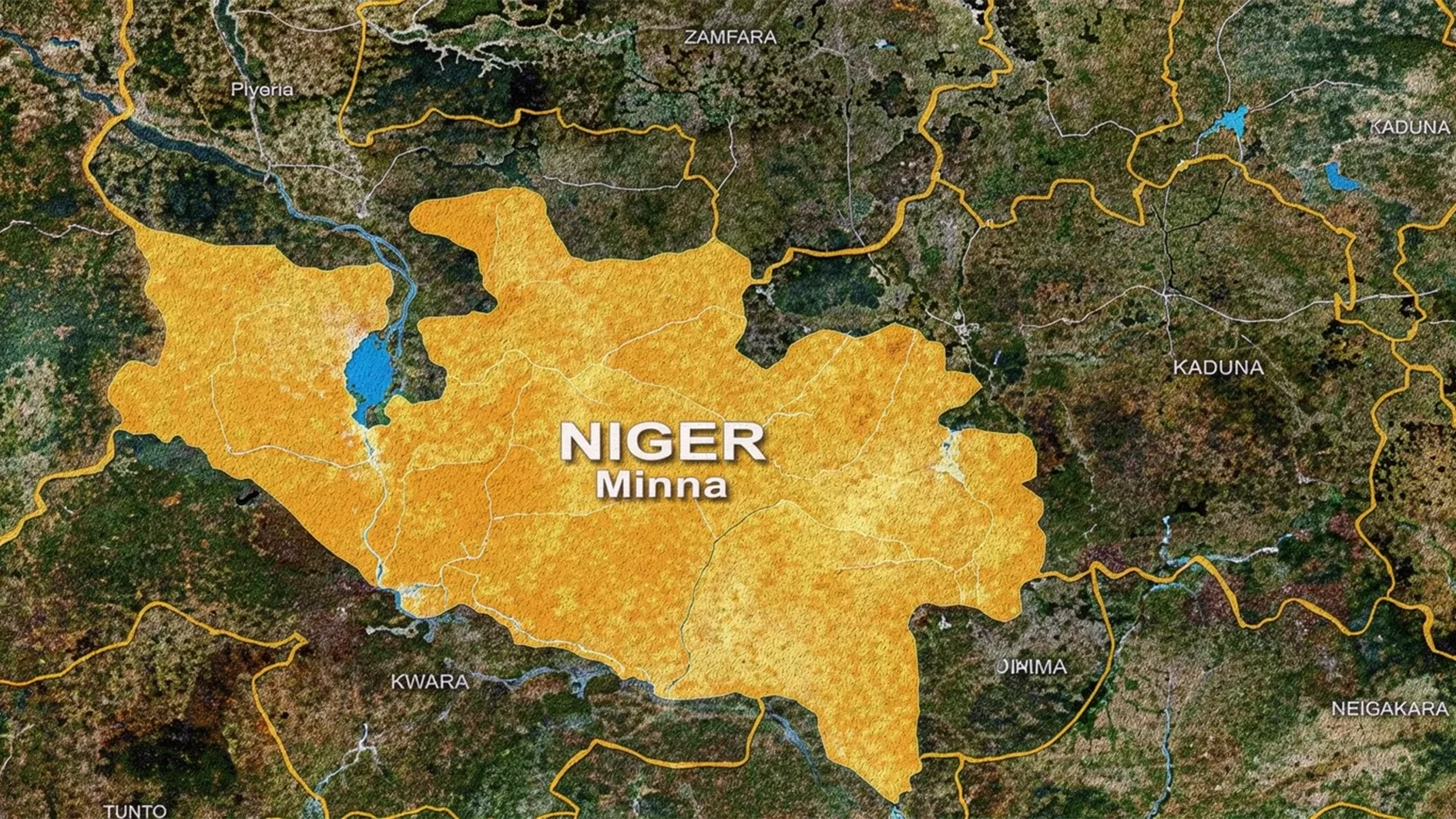

For thousands of women and girls living in Internally Displaced Persons camps in Benue State, daily life is defined by uncertainty. Having fled violence and insecurity, many now face the battle of coping with limited access to basic healthcare, menstrual hygiene products and protection from sexual and gender-based violence.
In the midst of these challenges, a compassionate intervention by Zenith Bank Plc is helping to restore hope, dignity and confidence to some of Nigeria’s most vulnerable citizens.
In partnership with the Marymine Mother’s Care Initiative Network, Zenith Bank recently supported the launch of the “Protect the Dignity of Our Females” project, a programme designed to improve menstrual hygiene management while raising awareness about sexual and gender-based violence in IDP camps across Benue State.
More than a corporate social responsibility initiative, the project addresses two issues that often receive little attention during humanitarian emergencies. For many displaced women and girls, the absence of sanitary products and accurate reproductive health information affects their education, health, confidence and participation in community life. At the same time, overcrowded camp conditions expose many to heightened risks of abuse and exploitation.
By supporting this initiative, Zenith Bank is helping to ensure that women and girls not only receive essential menstrual hygiene materials but also gain the knowledge and confidence needed to protect themselves, speak out against abuse and access available support services. The intervention promotes dignity while creating safer spaces where women can begin to rebuild their lives.
The programme also demonstrates a broader understanding that true empowerment extends beyond financial inclusion. It requires investing in people’s well-being, protecting their rights and creating opportunities for them to live healthier and more secure lives.
For beneficiaries, the support goes beyond the distribution of hygiene products. Educational sessions on menstrual health help dispel long-held myths and misconceptions, while conversations around gender-based violence encourage survivors and those at risk to seek help without fear or stigma, awareness that is critical in communities where silence often allows abuse to continue unchecked.
The Benue intervention aligns with several United Nations Sustainable Development Goals, particularly Goal 3 on Good Health and Well-being, Goal 5 on Gender Equality and Goal 10 on Reduced Inequalities. By addressing both health and protection concerns, the project contributes to building stronger, safer and more resilient communities.
Across Nigeria, millions of people remain displaced by conflict and insecurity. While governments and humanitarian agencies continue to provide essential support, partnerships with responsible private sector organisations have become increasingly important in bridging critical gaps. Zenith Bank’s collaboration with the Marymine Mother’s Care Initiative Network illustrates how businesses can complement humanitarian efforts by delivering practical solutions that directly improve lives.
For the women and girls in Benue’s IDP camps, the intervention is a reminder that they have not been forgotten. Through initiatives such as “Protect the Dignity of Our Females,” the bank is helping restore hope where it is needed most.
A Broader Commitment to Women’s Empowerment
Over the years, Zenith Bank has consistently supported programmes in healthcare, education, youth development, environmental sustainability and community welfare. In April, the bank held its 2026 International Women’s Day seminar with the theme, “Take It, You Own It.”
In her welcome remarks at the event, Group Managing Director and CEO, Dr Adaora Umeoji, spoke about intentionality as a commitment to ensuring that women are not merely included in the system, but empowered to shape it. She said Zenith Bank remains deliberate about building environments where women are supported to grow, thrive and shape outcomes, not only within the institution but across the communities and industries it serves.
“But beyond that, it is also a practical reminder that progress does not happen by accident. It happens when people choose action over intention, outcomes over applause, and when there is a genuine commitment to delivering results. That is why we do not treat today as merely ceremonial. We see it as a platform for interaction, reflection, learning, and renewed commitment,” she said.
Umeoji noted that women lift families, strengthen communities and expand economic potential for institutions, citing former UN Secretary-General Kofi Annan’s observation that there is no tool for development more effective than the empowerment of women, and that any society that neglects women effectively forfeits a significant portion of its productive capacity.
“Despite this, significant gender disparities persist globally, often to the disadvantage of women. According to the World Economic Forum’s 2025 report, only 68.8 per cent of the global gender gap has been closed. At the current pace, it could take approximately 123 years to achieve full gender parity,” she said.
“Here in Nigeria, the situation is even more urgent. We have closed only 64.9 per cent of the overall gender gap, leaving a gap of 35.1 per cent that still needs to be addressed. In addition, there is a 19.3 per cent disparity in labour force participation between men and women in the country,” she added.
Umeoji said the economic benefits of closing this gap are profound, citing World Bank estimates that closing gender gaps in employment and entrepreneurship could boost global GDP by more than 20 per cent, and McKinsey Global Institute estimates that achieving gender parity could add up to $12 trillion to global GDP. “At the country level, McKinsey’s analysis indicates that closing gender gaps in Nigeria’s economic participation could increase GDP by as much as 19 per cent, translating to roughly $90 billion in additional value,” she said.
Zenith Bank’s Internal and External Programmes
Umeoji said the bank is deliberate about fostering a work environment where every individual is empowered to succeed, a commitment embedded in its culture since inception. “As a result, we have maintained a diverse and inclusive workforce, with approximately 50 per cent female representation across the bank. Our leadership has ensured that women are empowered to head key departments and occupy senior management positions,” she said.
“Opportunities are provided based on merit, free from bias, enabling women to turn their aspirations into reality. This foundation continues to define who we are. It is evident in our policies, succession planning, training programmes, and work-life integration initiatives. It has also contributed to high levels of staff loyalty and retention,” she added.
Beyond its internal structures, Umeoji said Zenith Bank has developed programmes aimed at empowering women externally, supporting them in acquiring skills, building businesses and contributing meaningfully to the economy. “Through initiatives such as the Z-Woman Programme, the SME Grow My Business platform, and our learning series, we provide financial support, mentorship, and capacity-building opportunities for female entrepreneurs. We continue to expand access to finance for women-led businesses while strengthening policies that support work-life balance,” she said.
“For 17 years, Zenith Bank has remained the sole sponsor of the Nigerian Women’s Basketball League. Several players from this league are members of D’Tigress, Nigeria’s national women’s basketball team, which won the FIBA Women’s AfroBasket Championship in 2025. The bank proudly celebrated this achievement with financial rewards,” she said.
“Through the Pad-Up Initiative, we provide a one-year supply of sanitary pads to schoolgirls in underserved communities across Nigeria, alongside education on menstrual hygiene. These initiatives are not mere gestures, they are deliberate investments in protecting the dignity, health, and future of the girl child,” Umeoji added.
The bank also held the inaugural “Woman of Power Award,” in partnership with the Ford Foundation, an event centred on visibility and bringing into the national consciousness the everyday women who hold communities together, often without acknowledgment or reward. Speaking at that event, Zenith Bank’s Executive Director, Adobi Nwapa, emphasised the bank’s commitment to creating platforms that recognise and support women across all levels of society, not just those in visible positions of influence, but also those working quietly at the grassroots.
As thousands of displaced women and girls strive to rebuild their lives, initiatives like these remind observers that dignity, hope and opportunity can be restored through compassion in action. By investing in the health, safety and empowerment of society’s most vulnerable, the bank is helping to shape a more inclusive and humane future for Nigeria.
Author