
Katsina State Governor, Malam Dikko Umaru Radda, has said the state’s Internally Generated Revenue (IGR) has increased from about N600 million monthly in 2023 to more than N3 billion per month in 2026.
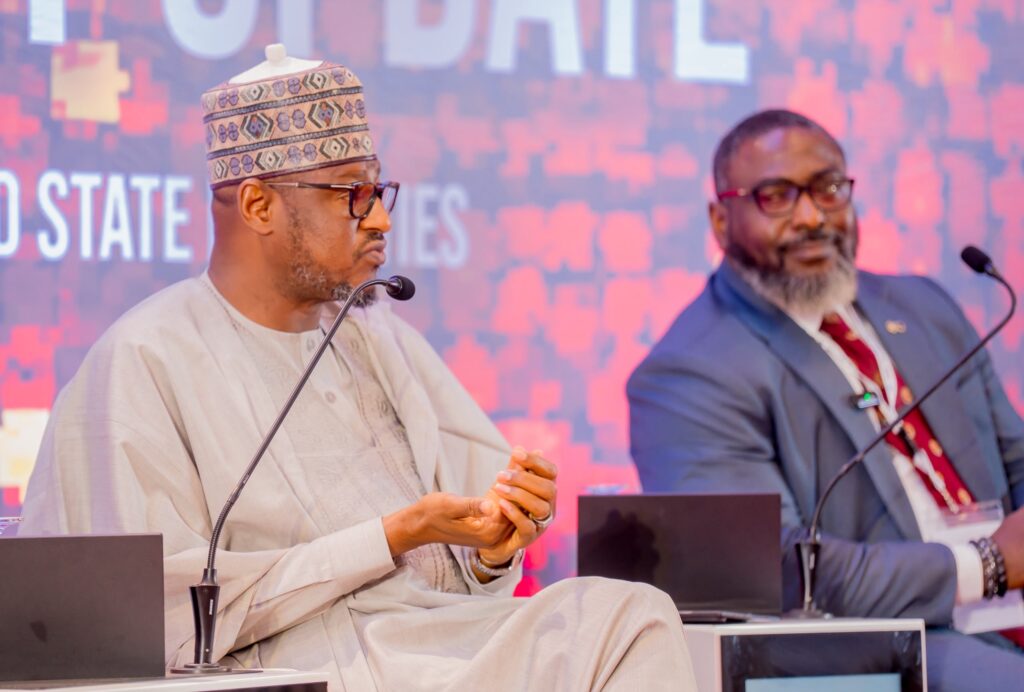
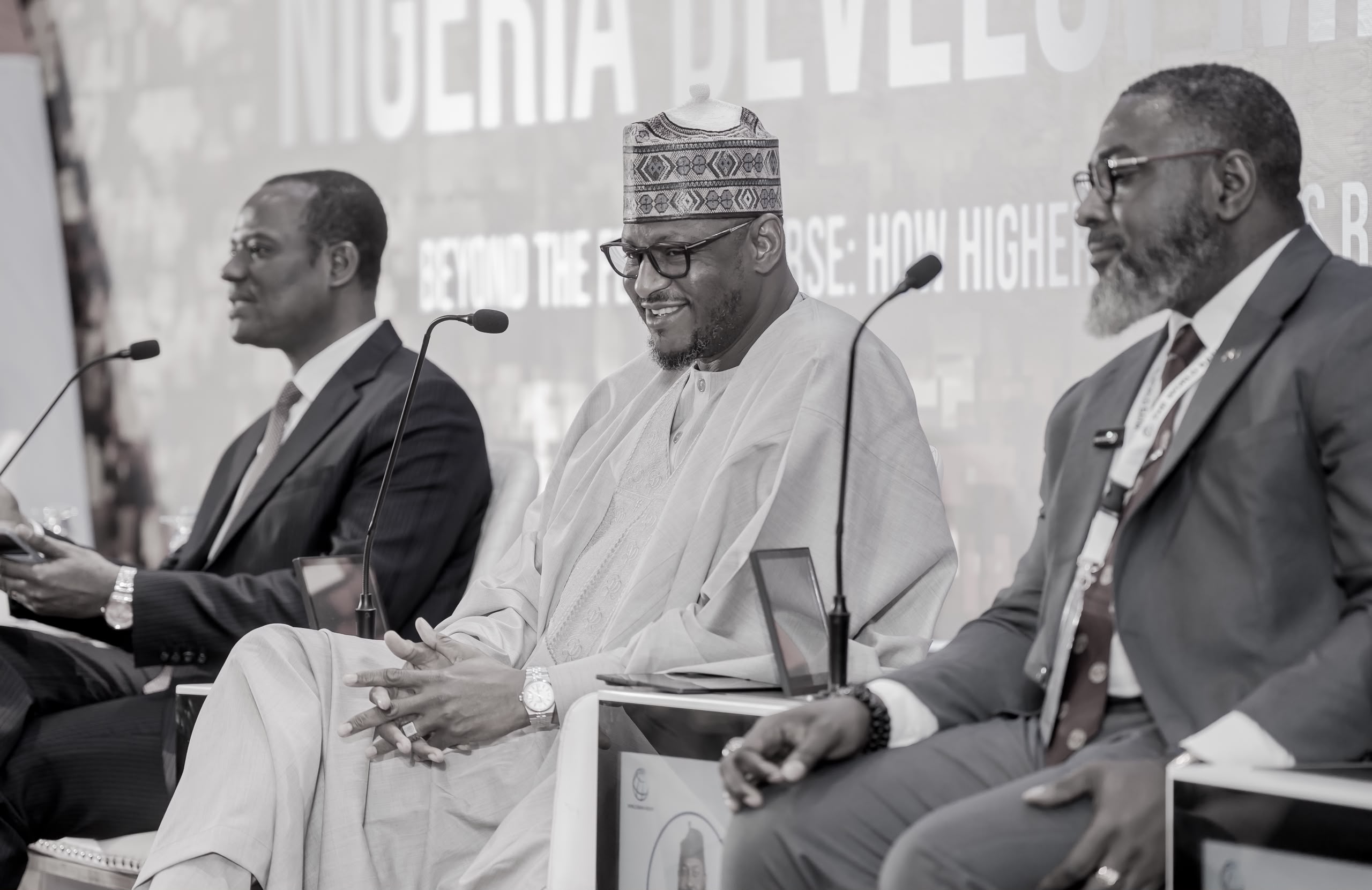
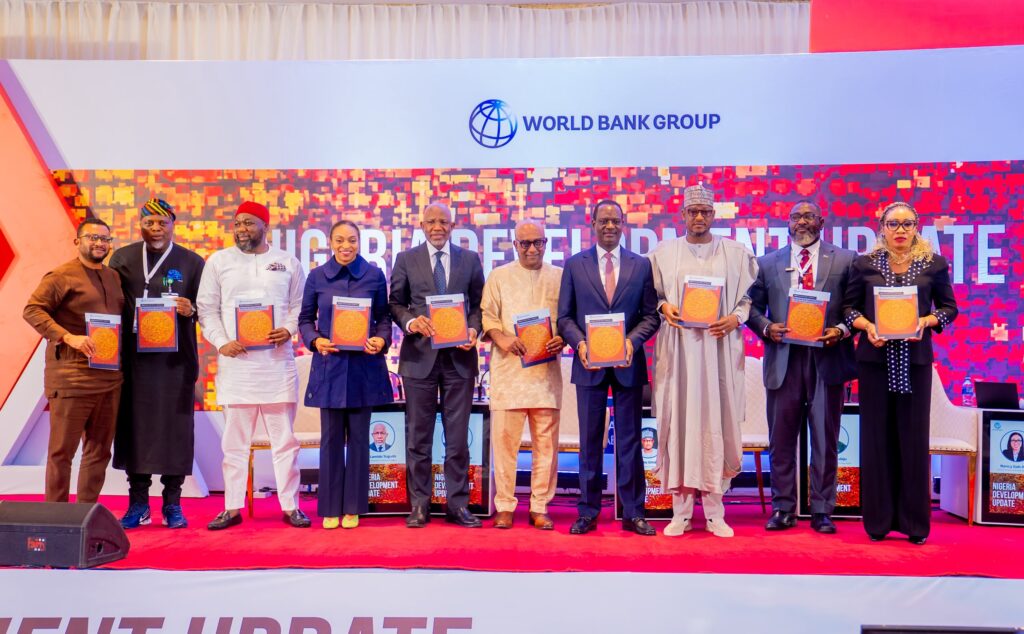
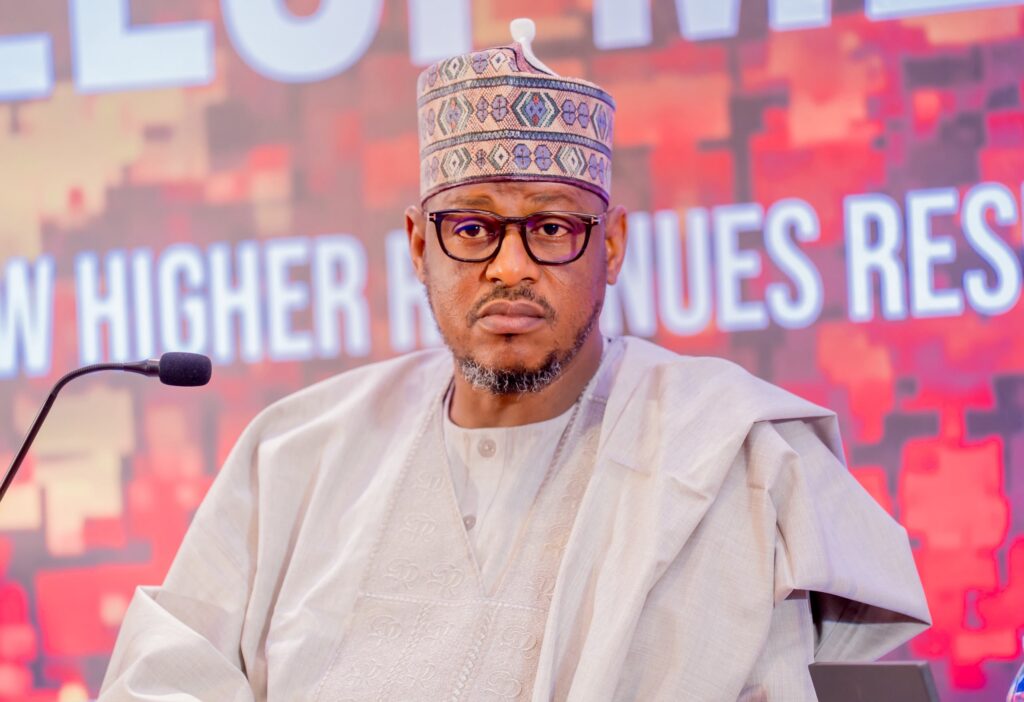
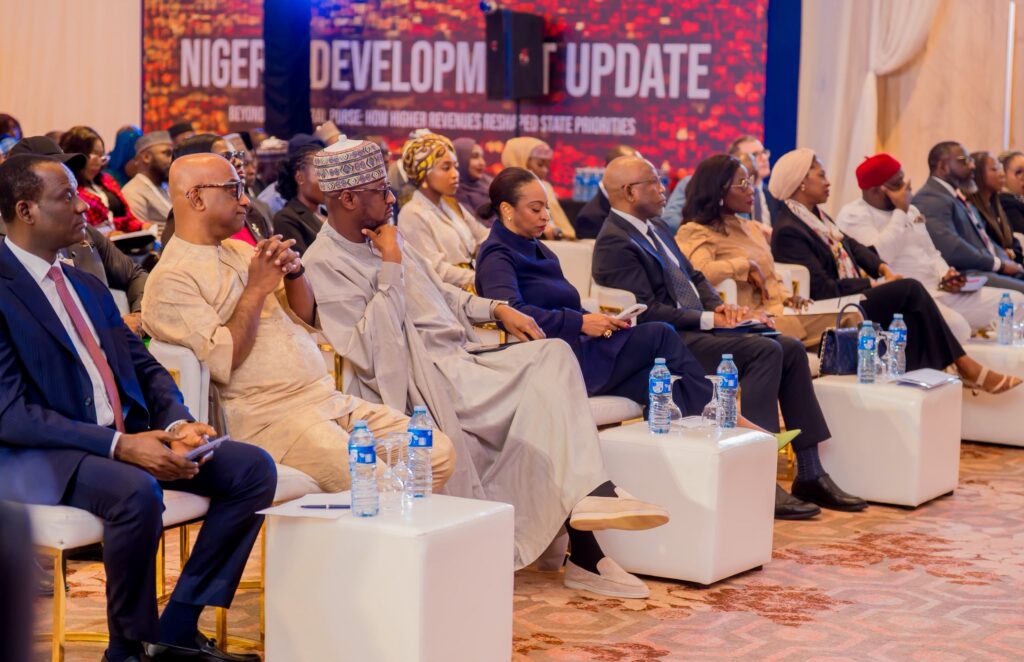
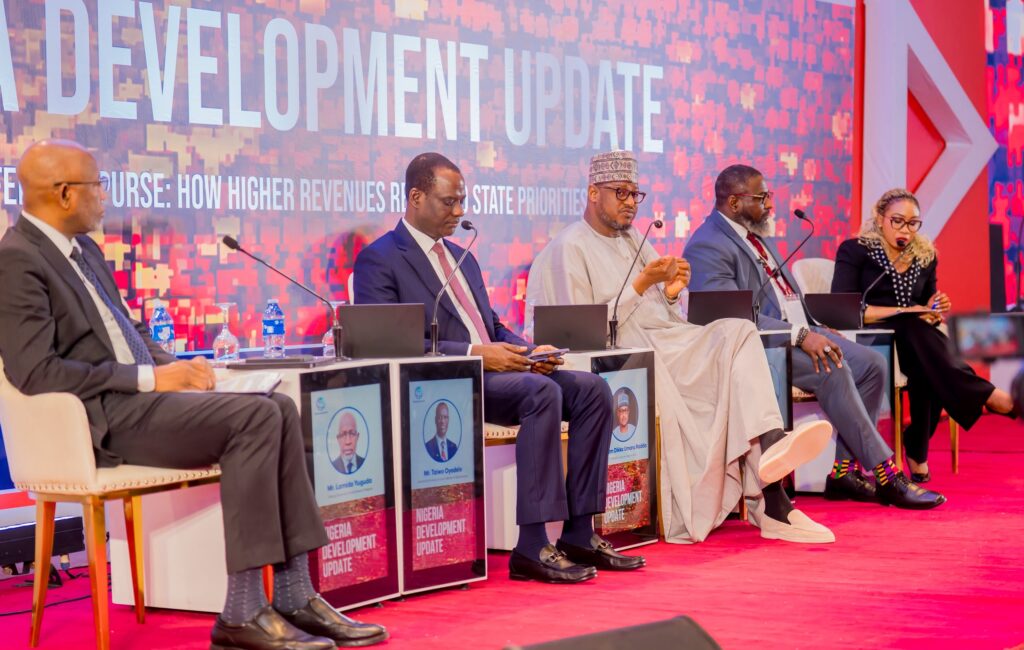
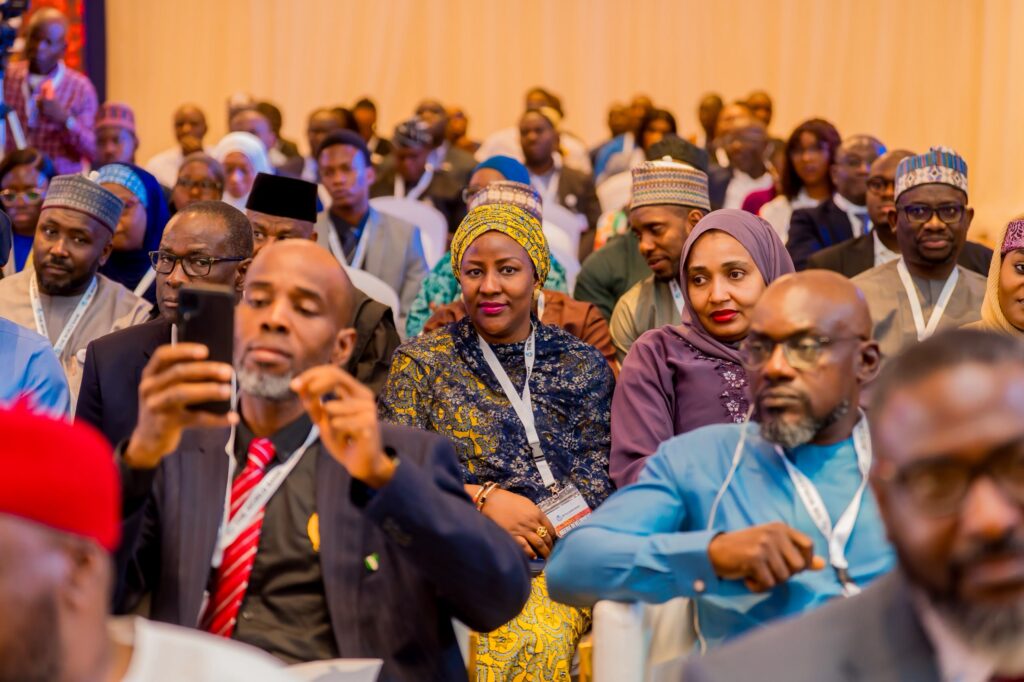
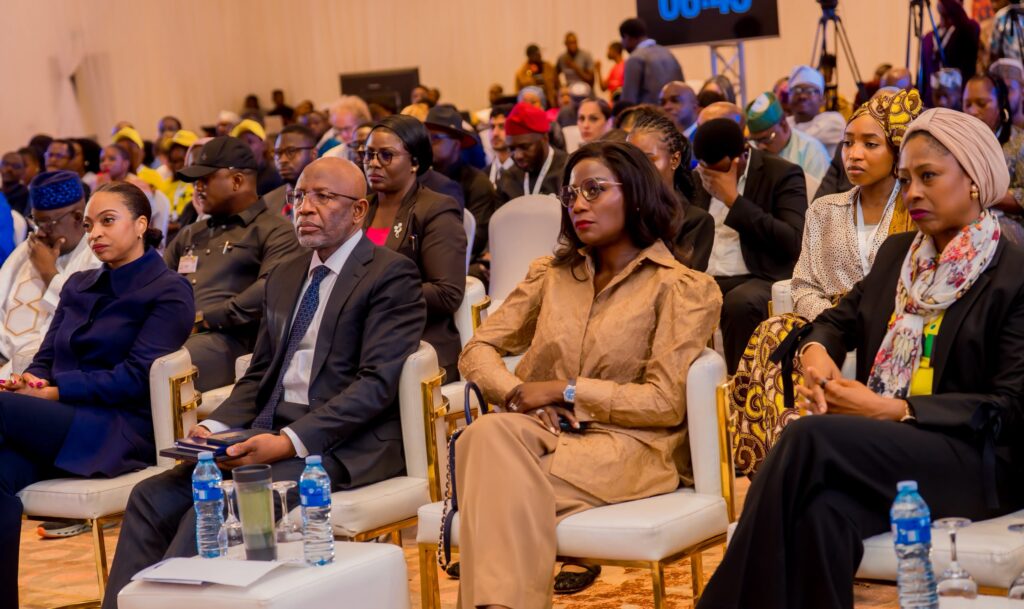
Radda disclosed this on Thursday while participating as a panelist at the launch of the World Bank’s Nigeria Development Update at the Sheraton Hotel in Abuja.
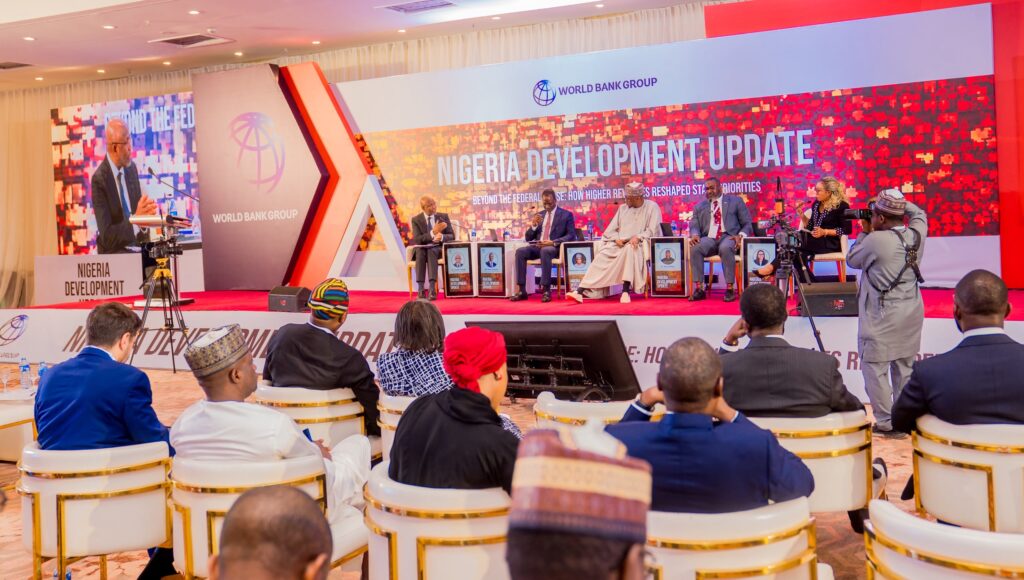
The session, themed “Beyond the Federal Purse: How Higher Revenues Reshaped State Priorities,” examined how increased state revenues are influencing government priorities and development outcomes.
According to a statement issued by the Katsina State Government, Radda said the state had deployed improved revenues from the Federation Account Allocation Committee (FAAC), following President Bola Ahmed Tinubu’s economic reforms, to fund interventions across critical sectors.
The governor highlighted healthcare, education, agriculture and public finance as areas where the state had increased investment.
Katsina expands healthcare infrastructure
In the health sector, Radda said the administration had reconstructed and equipped more than 270 Primary Healthcare Centres across the state.
He also listed the establishment of an Ambulance Service System with 15 advanced ambulances, the upgrade of six Comprehensive Health Centres to General Hospitals, an Advanced Dialysis Centre, and an Imaging and Cancer Centre.
According to the governor, more than 2,000 healthcare professionals had also been recruited as part of efforts to strengthen the state’s health workforce.
Over 170 schools built, 10,000 teachers recruited
Radda said the state government had built more than 170 new schools and renovated over 500 others.
He added that three new model schools had been constructed, while more than 10,000 teachers had been recruited and over 25,000 teachers trained.
The governor also said the administration’s interventions had contributed to a reduction in the number of out-of-school children in the state, from more than 500,000 to about 200,000.
Katsina deploys 400 tractors for agriculture
On agriculture, Radda described Katsina’s mechanisation programme as the largest by any sub-national government in Nigeria, with more than 400 modern tractors and thousands of mechanised equipment deployed.
He said more than 1,000 young people had been trained and funded in agribusiness, while more than 60,000 tonnes of fertiliser were distributed annually.
The state had also distributed more than 5,000 irrigation equipment to farmers, according to the governor, who said the interventions had helped make Katsina one of the states with the most affordable food prices.
Domestic debt falls to N14bn
Radda also pointed to improvements in the state’s financial position, saying domestic debt had declined from N62 billion in 2022 to N14 billion in 2025.
He further disclosed that Katsina’s malnutrition rate had fallen by seven per cent.
The governor also reaffirmed that his administration had fully implemented financial autonomy for local governments in the state.
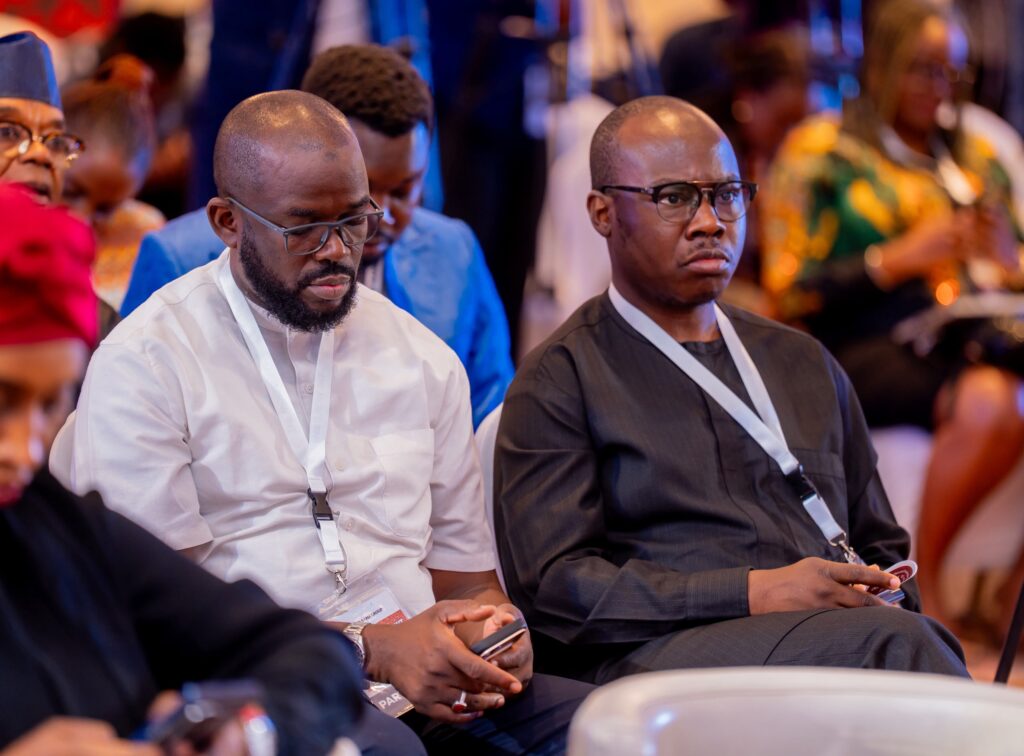
Radda’s participation in the World Bank event comes as Katsina positions increased internally generated revenue and improved fiscal resources as part of its broader strategy for funding development programmes beyond reliance on federal allocations.
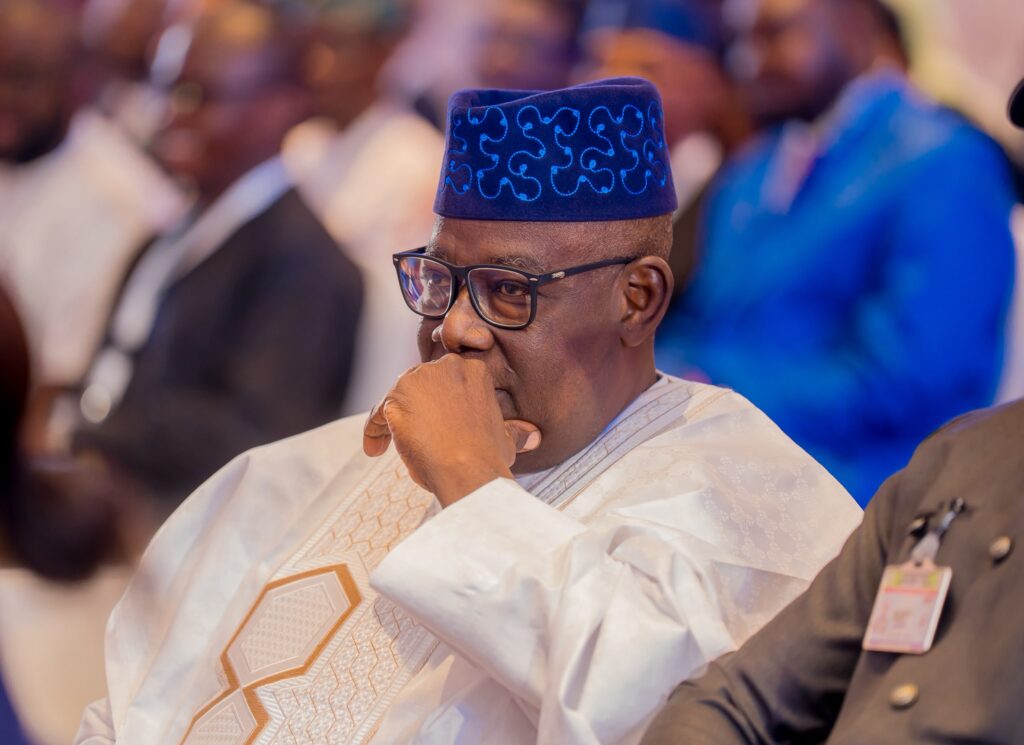
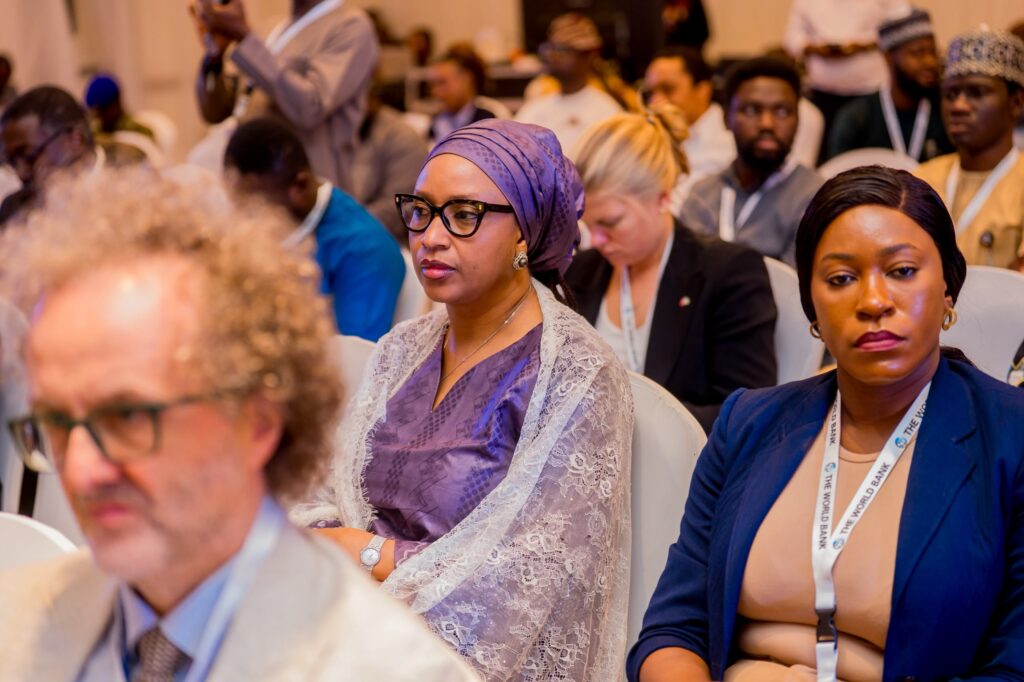
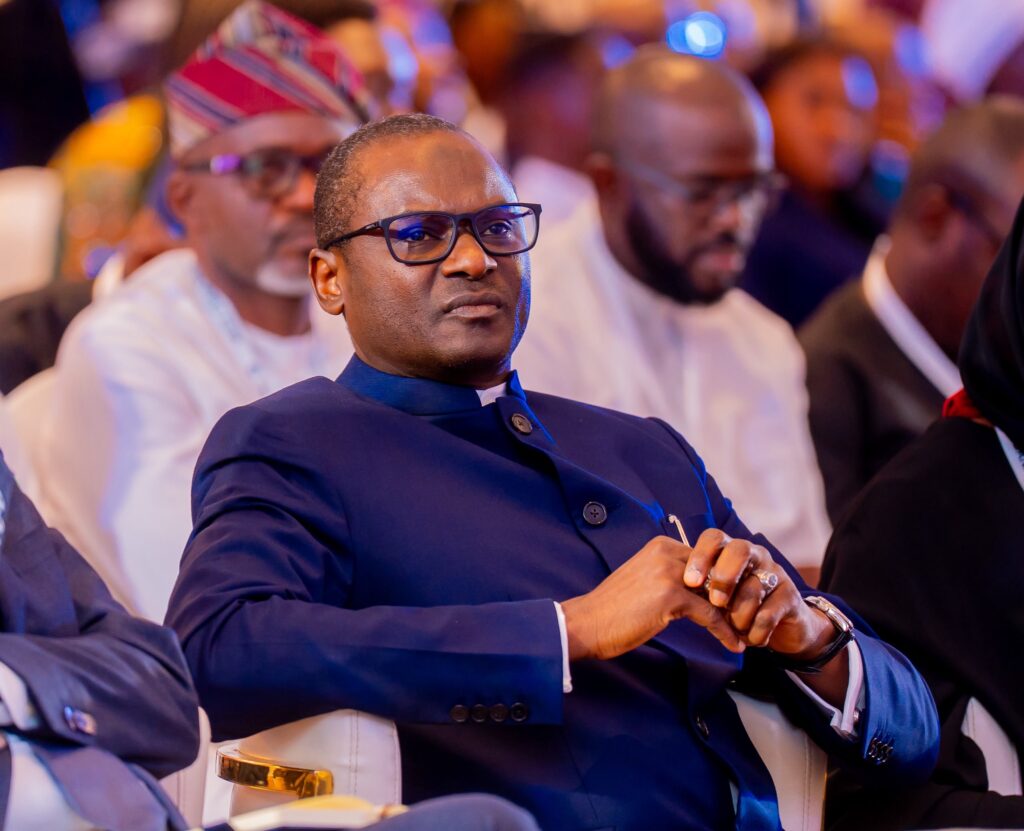
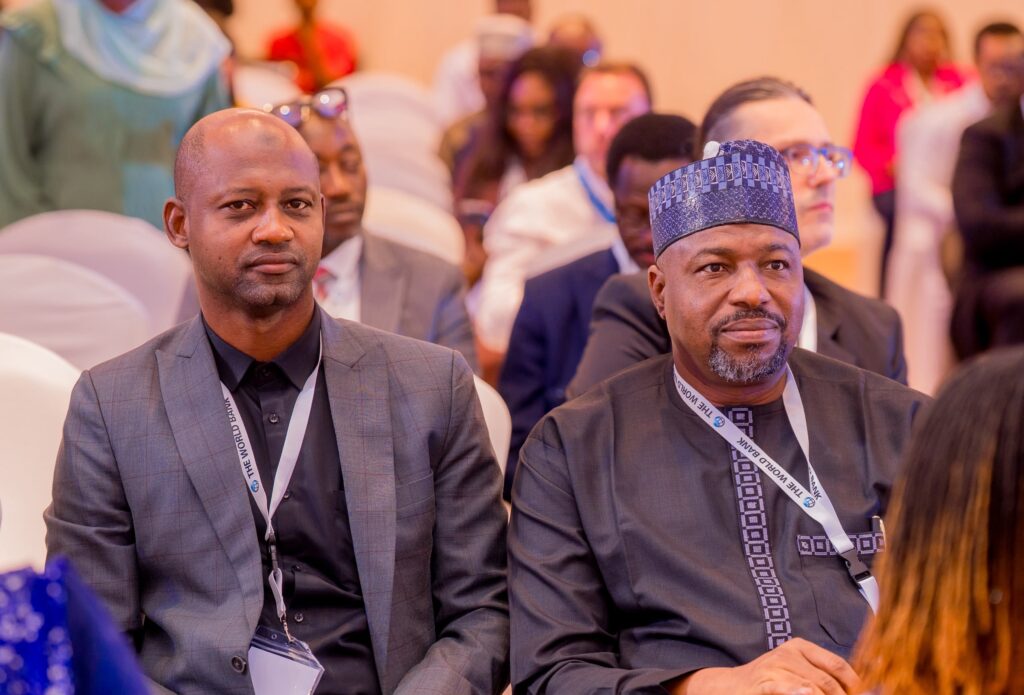
The event was attended by the Minister of Finance and Coordinating Minister of the Economy; the Minister of Industry, Trade and Investment; the Special Adviser to the President on Energy; the Deputy Governor of the Central Bank of Nigeria in charge of Financial Systems Stability; Mr Taiwo Oyedele; representative of the CBN Governor, Lamido Yuguda; and Dr Tayo Aduloju, Chief Executive Officer of the Nigerian Economic Summit Group (NESG).
Follow us on:
Author