
Lagos, Rivers and Kano Lead Nigeria HIV Infections Rankings
Nigeria recorded 102,025 new HIV infections across its 36 states and the Federal Capital Territory in 2025, according to the Federal Ministry of Health and Social Welfare’s State of the Health of the Nation Report 2025, with Lagos emerging as the epicentre of the country’s new infection burden.
The report’s state-by-state breakdown places Lagos at the top of the list with 10,430 new infections, well ahead of every other state in the federation. Rivers followed with 6,287 cases, while Kano rounded out the top three with 6,106 new infections, underscoring how the disease’s spread continues to concentrate heavily in some of Nigeria’s most populous and commercially active states.
The figures paint a picture of a health challenge that, despite years of intensified prevention campaigns by the federal government and its development partners, remains stubbornly widespread across virtually every corner of the country. Akwa Ibom recorded 5,413 new infections, Taraba followed with 4,854, and Benue reported 4,804 cases. Anambra added a further 4,468 new infections to the national tally, illustrating that the burden extends well beyond the traditionally cited hotspots into states across the south-east and north-central regions alike.
Rounding out the top ten states with the highest new infection numbers, Kaduna recorded 3,659 cases, while Adamawa and the Federal Capital Territory reported 2,989 and 2,764 new infections respectively. Together, these ten states account for a substantial share of the more than 100,000 new infections logged nationwide in 2025, though the report makes clear that the spread of the disease is far from confined to this group alone.
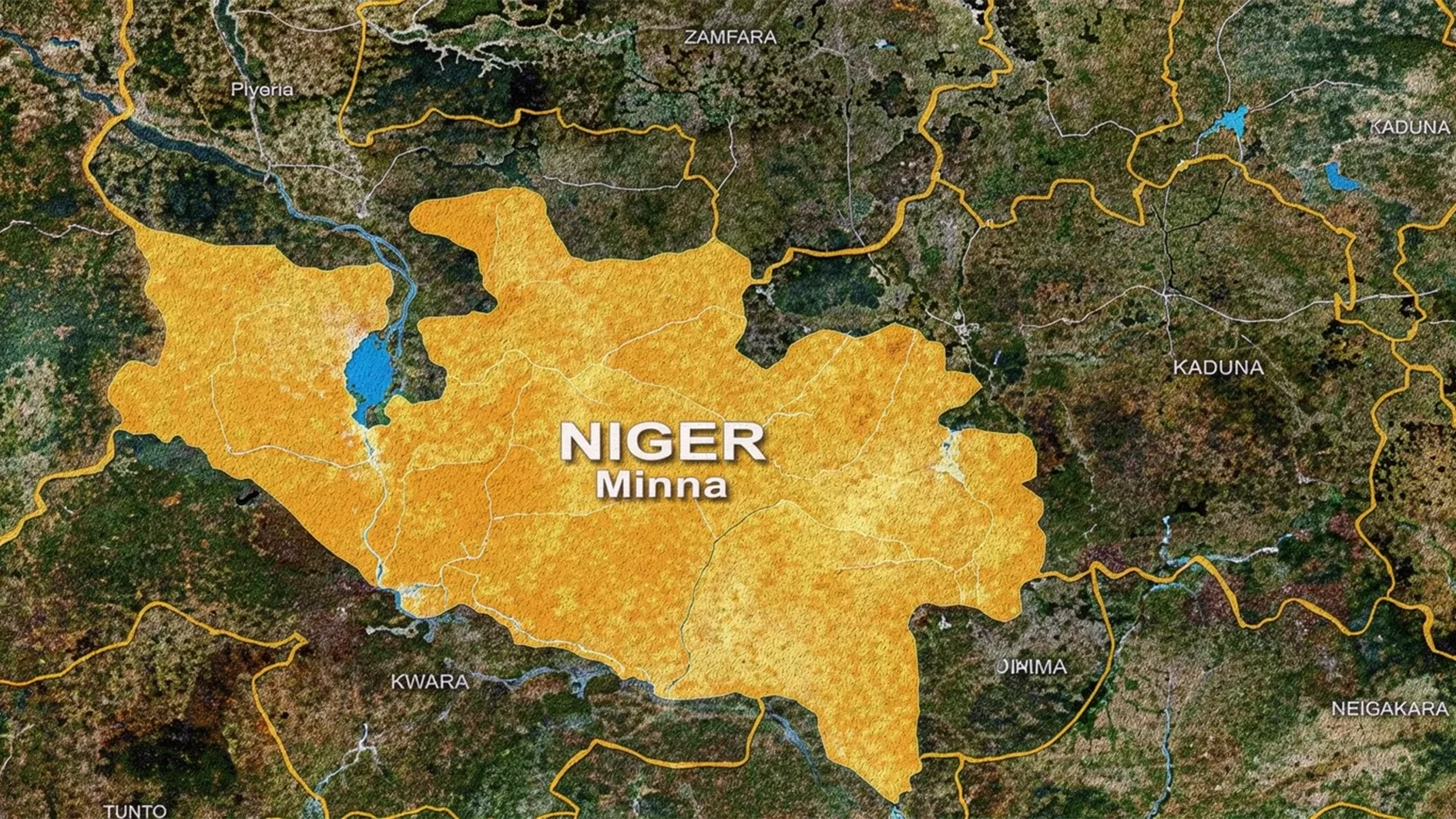
A second tier of states also crossed the 2,000-infection mark over the course of the year. Cross River recorded 2,595 new cases, Sokoto reported 2,592, and Abia logged 2,546. Imo followed closely with 2,537 new infections, while Delta recorded 2,469 and Borno reported 2,311. Ogun added 2,107 new cases, Plateau reported 2,084, Niger recorded 2,020, and Ebonyi rounded out this group with 2,015 new infections — figures that together highlight just how broadly distributed the epidemic remains across Nigeria’s geopolitical zones.
At the other end of the spectrum, several states reported comparatively lower — though still significant — numbers of new infections. Ekiti recorded the lowest figure nationwide at 462 cases, followed by Bayelsa with 982 and Gombe with 1,083. Osun reported 1,093 new infections, Kwara logged 1,371, and Enugu recorded 1,429 cases. Yobe reported 1,483 new infections, Katsina logged 1,541, and Kebbi rounded out the lowest-burden states with 1,572 new cases for the year.
Taken as a whole, the data suggests that despite sustained federal investment in prevention and treatment infrastructure, more concerted intervention will likely be required to meaningfully curb the spread of HIV across the country, particularly in the high-burden states clustered at the top of the list.
Government efforts to respond to the scale of the challenge have continued to evolve in recent months. In March, the Federal Executive Council approved a memo from the Ministry of Health and Social Welfare specifically aimed at improving HIV treatment nationwide. Minister of State for Health and Social Welfare, Iziaq Salako, explained that the approval covers the procurement of antiretroviral drugs needed to sustain the presidential treatment programme for people living with HIV and AIDS, reaffirming that Nigeria maintains a standing policy of providing free antiretroviral drugs to those living with the virus.
Beyond treatment, the country has also moved to strengthen its prevention toolkit. Nigeria recently received 11,520 doses of lenacapavir, a long-acting injectable HIV prevention medicine that represents one of the more significant recent advances in HIV prevention science. According to Mohammed Patiko, Head of Procurement and Supply Chain Management at the National AIDS and STIs Control Programme, the doses received form part of a total allocation of 52,000 doses expected to arrive in three separate batches under a Global Fund-supported initiative — a rollout that health authorities hope will help blunt the trajectory of new infections in the states currently bearing the heaviest burden.
Author