

The World Health Organisation (WHO) has said Nigeria currently faces a low risk of an Ebola outbreak compared to countries directly affected by the disease, particularly the Democratic Republic of Congo (DR Congo) and Uganda.
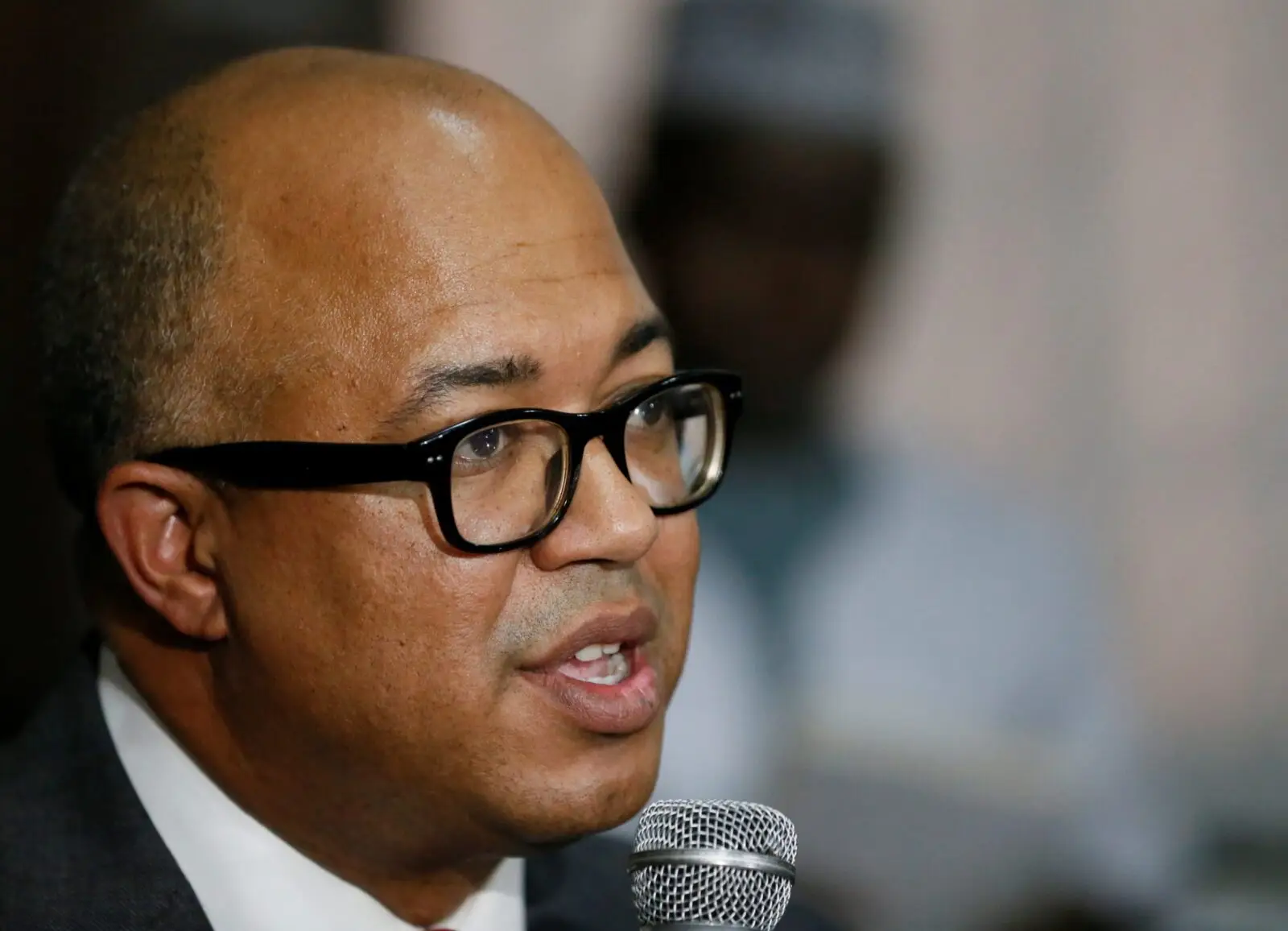
The assessment was made by the Executive Director of the WHO Health Emergencies Programme, Chikwe Ihekweazu.
According to Ihekweazu, Uganda remains the only country outside the DR Congo to have recorded confirmed Ebola infections.
“Uganda is the only country with confirmed Ebola cases outside the Democratic Republic of Congo. Nigeria’s risk is low,” he said.
Global Concern Despite Low Risk to Nigeria
While emphasising that Nigeria is not currently among the countries facing the highest threat level, Ihekweazu cautioned that the ongoing outbreak remains a significant international public health challenge requiring a coordinated global response.
“This Ebola outbreak is serious and requires an internationally coordinated response. It has already spread to other countries,” he said.
The WHO official noted that the outbreak has escalated to a level that justified its classification as a Public Health Emergency of International Concern (PHEIC), a designation reserved for health events that pose serious risks beyond national borders.
“It is only the ninth time in history that an outbreak has been declared a Public Health Emergency of International Concern,” he said.
Ebola Meets Emergency Threshold for Third Time
Ihekweazu, a former Director-General of the Nigeria Centre for Disease Control and Prevention (NCDC), explained that the current outbreak represents only the third time Ebola has met the criteria for such a declaration.
“This is the third time Ebola has met this criterion. There are over 300 confirmed cases spread throughout the DR Congo,” he stated.
The PHEIC designation is one of the highest alert mechanisms available under international health regulations and is intended to mobilise resources and strengthen cooperation among countries in responding to major disease outbreaks.
DR Congo Continues to Battle Outbreak
Ebola is a severe and often fatal viral disease that affects humans and other primates. The virus spreads through direct contact with the bodily fluids of infected individuals or contaminated materials and has been responsible for several deadly outbreaks across Africa.
The Democratic Republic of Congo is currently confronting a major outbreak of the highly contagious haemorrhagic fever. According to the African Union’s health agency, Africa CDC, the epidemic is suspected to have claimed at least 246 lives across the DR Congo and neighbouring Uganda.
As part of containment measures, authorities on May 23 suspended all commercial flights to and from Bunia Airport, located in the capital of Ituri Province in eastern DR Congo. Only medical and humanitarian flights have been permitted to operate in and out of the area.
Vigilance Remains Key
Although Nigeria’s risk level remains low, health authorities continue to monitor developments closely as efforts intensify across the region to contain the outbreak and prevent further cross-border transmission.
The WHO has continued to stress the importance of surveillance, rapid response mechanisms and international collaboration in limiting the spread of the disease and protecting vulnerable populations.
Author