
Global oil prices fell further on Thursday after the United States and Iran signed a peace agreement aimed at ending months of conflict that destabilised the Middle East and unsettled the global economy.
The memorandum of understanding, signed by both countries, will formally usher in a 60-day negotiation period, with an official ceremony scheduled for Friday in Switzerland.
The agreement seeks to end hostilities that began following US-Israeli strikes on Iran in February, which triggered widespread regional instability and heightened concerns across international energy markets.
Oil Prices Extend Losses
Oil markets reacted positively to the breakthrough, extending losses recorded since news of the agreement first emerged over the weekend.
International benchmark Brent North Sea crude fell 2.1 per cent to $77.87 per barrel as of 0525 GMT.
Investors are closely monitoring developments as expectations grow that a sustained peace agreement could stabilise global energy supplies.
US And Iran Confirm Signing
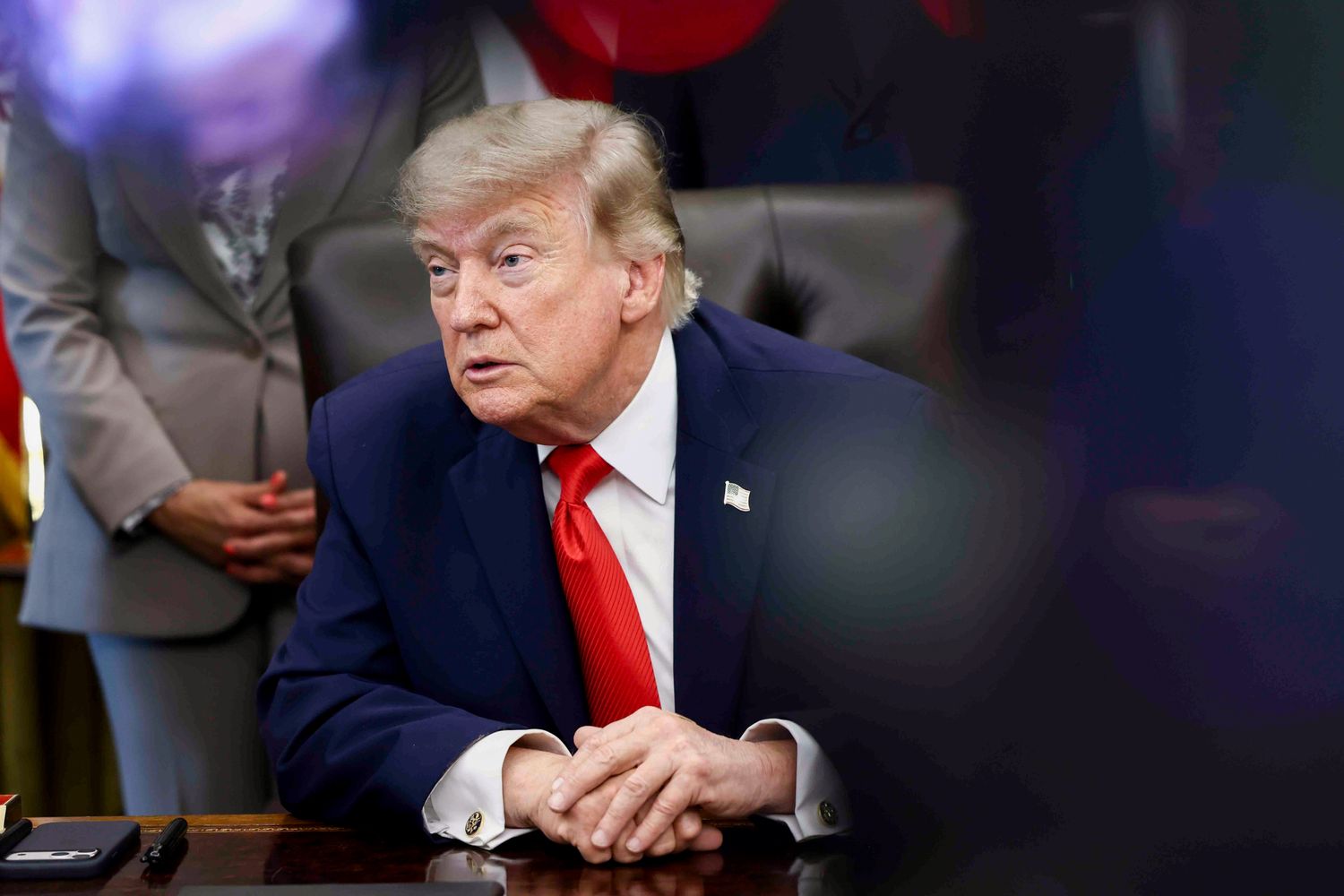
US President Donald Trump signed the memorandum on Wednesday after attending the G7 summit in France.
Footage posted by a Trump aide showed the signing taking place during a candlelit dinner at the Palace of Versailles.
Iran also confirmed the development.
Foreign Ministry spokesman Esmaeil Baqaei, quoted by state news agency IRNA, said the agreement “was finalised with the signatures of the presidents.”
However, Iran’s chief negotiator and parliament speaker, Mohammad Bagher Ghalibaf, described the agreement as a strategic defeat for the United States.
Agreement Takes Immediate Effect
According to details shared by Pakistan’s Prime Minister Shehbaz Sharif, the memorandum takes effect immediately.
“The memorandum shall enter into force with immediate effect and as a first step, Islamic Republic of Iran will instantly reopen the Strait of Hormuz and the United States of America will immediately lift the naval blockade,” Sharif wrote on X.
He also announced that Pakistan, with support from Qatar, will host Friday’s ceremony in Switzerland to commemorate the agreement and launch technical negotiations.
Iran To Introduce Shipping Fees
Despite reopening the Strait of Hormuz, Tehran said it intends to introduce charges for ships passing through the strategic waterway after the 60-day negotiation period expires.
Ghalibaf said Iran would exercise its sovereign rights over the channel.
“Strait of Hormuz will not return to pre-war conditions,” he said.
“Iran has the right to sovereignty over the Strait of Hormuz and of course we will receive a fee for services.”
Nuclear And Economic Provisions
Under the agreement, Iran has agreed to dilute its enriched uranium stockpile under United Nations supervision.
A US official described the development as a “major, major win.”
Iran, however, maintained that broader nuclear discussions would only take place during subsequent negotiations.
The agreement also allows Tehran to resume oil exports, while all sanctions could eventually be lifted if both parties reach a final deal after the 60-day negotiation period.
Iran may also gain access to a $300 billion reconstruction fund, although US officials clarified that Washington has made no financial commitment.
Trump Warns Iran Against Violations
Despite the diplomatic breakthrough, President Trump warned that military action remains an option if Iran fails to comply with its obligations.
“If they don’t behave, we’ll go right back to dropping bombs right smack in the middle of their head,” Trump said during the G7 summit.
Tensions Persist In Lebanon
Meanwhile, conflict continues in Lebanon despite the broader peace initiative.
The Israeli military announced that one soldier was killed and seven others wounded during fighting in southern Lebanon on Wednesday.
Although the US-Iran agreement is expected to reduce hostilities across multiple fronts, Israeli Prime Minister Benjamin Netanyahu has stated that Israeli forces will remain in Lebanon, where they continue operations against Iran-backed Hezbollah.
Hezbollah leader Naim Qassem described the peace agreement as a “great victory” and urged Lebanon to seize the opportunity to push Israeli forces out of the country.
Author