
The 2026 FIFA World Cup gets underway on Thursday in North America, with co-hosts Mexico and South Africa set to open the tournament at the historic Estadio Azteca in Mexico City. However, for millions of Nigerians around the world, the excitement surrounding football’s biggest event is overshadowed by disappointment.
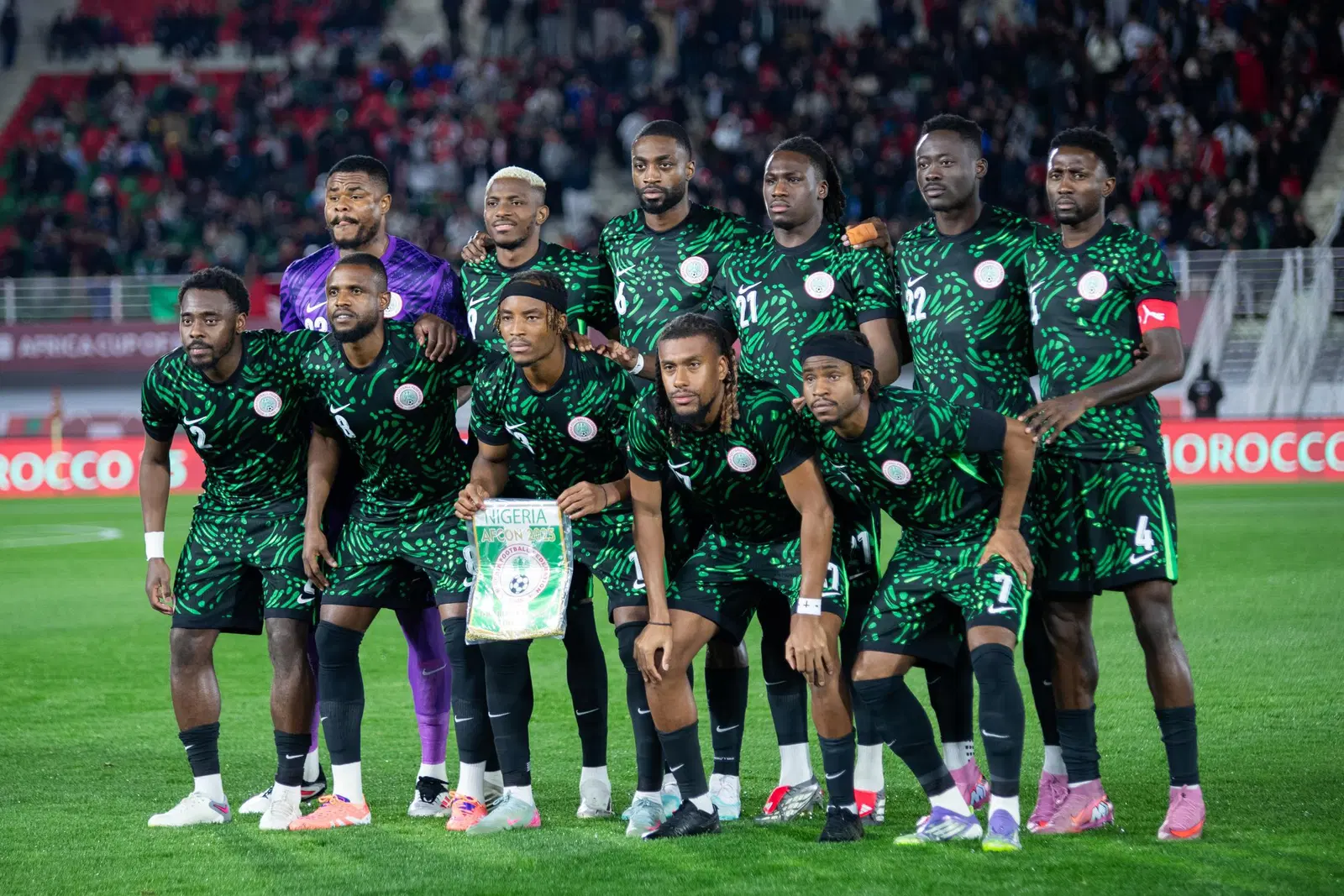
For the second consecutive edition, the Super Eagles will not be part of the global spectacle.
The expanded tournament features 48 teams and offers Africa a record number of qualification slots, raising expectations that Nigeria would comfortably secure a place among the continent’s representatives. Instead, one of Africa’s most recognised football nations will once again watch from the sidelines.
For many supporters, the disappointment extends far beyond football.
Dreams Put on Hold
For Soyemi Tosin, a Nigerian living in the United Kingdom, the World Cup represented more than just a sporting event.
After watching Nigeria’s last World Cup appearance from Lagos in 2018, he had spent years saving money with hopes of finally seeing the Super Eagles compete live on football’s biggest stage.
The tournament’s location across the United States, Canada and Mexico appeared to present the perfect opportunity.
“The last World Cup Nigeria played, I was in Lagos watching on television,” he said.
“I told myself that next time I would be in the stadium. I started saving. I even looked up venues and ticket prices. Now I will have to wait for the next time.”
For Tosin, the missed qualification means more than missing matches. It represents lost travel plans, unrealised experiences and the absence of a moment of national pride he hoped to share with fellow Nigerians.
His story mirrors that of millions of supporters whose personal plans were tied to Nigeria’s participation.
Disappointment Across the Diaspora
For Nigerians living in Canada, one of the tournament’s host nations, the disappointment carries even greater emotional weight.
Precious Ogbolu had imagined watching the Super Eagles compete close to home, with several matches scheduled across Canadian cities.
“Canada is a host country. Imagine watching the Super Eagles play here, in my city,” he said.
“I was already thinking about which games they could play in Toronto. Now I am just watching other African teams and seeing their fans live the dream that should have been ours.”
According to him, many members of the Nigerian community in Canada had looked forward to gathering in large numbers to support the national team throughout the competition.
Financial Blow for Football Creators
Nigeria’s absence is also affecting businesses built around football content and fan engagement.
One football content creator, who requested anonymity, said major international tournaments typically generate sponsorship opportunities, partnerships and significant audience growth.
“At AFCON, I was flown to Morocco and back. Brands wanted to be associated with Nigerian football content because the Eagles were there,” she said.
“I had much bigger expectations for the World Cup because the audience would have been larger. But the brands have gone quiet. The deals are not coming.”
Without Nigeria’s presence, many planned campaigns, sponsorships and football-related commercial opportunities have failed to materialise.
How Nigeria Missed Out
Nigeria’s failure to qualify has become one of the most criticised football setbacks in recent years.
The Super Eagles were drawn alongside Lesotho, Zimbabwe, South Africa, Benin Republic and Rwanda in Group C—a group many observers considered favourable.
However, a series of inconsistent performances and missed opportunities left Nigeria struggling throughout the campaign.
Coaching instability further complicated matters, with Jose Peseiro, Finidi George and Eric Chelle all taking charge during different phases of qualification.
Despite efforts to revive the campaign, Nigeria ultimately fell short.
Chelle guided the team into the continental play-offs, keeping qualification hopes alive. But after a tense 1-1 draw against the Democratic Republic of Congo, the Super Eagles were eliminated via a penalty shootout.
The defeat ended Nigeria’s hopes of reaching the 2026 World Cup.
Calls for Reform Grow Louder
The qualification failure has intensified scrutiny of football administration in Nigeria.
Former Super Eagles captain and Chelsea midfielder John Obi Mikel has called for major reforms within the Nigerian Football Federation.
“You have to say stop. Enough is enough,” Mikel said.
“Football is the one thing that brings people together in Nigeria, whether you are Christian or Muslim. And for the past eight years now, the NFF has deprived us of that by mismanagement and corruption.”
Former national team captain Sunday Oliseh also issued a stark warning about the future.
“If we do not act today, we will be the next Italy of world football,” Oliseh warned.
“A third consecutive failure to qualify for the World Cup will kill Nigerian football.
“A 12-year absence from the World Cup destroys sponsorship, kills the dream of the next generation and erases a nation from the global scouting map.”
Their comments reflect growing concerns that Nigeria risks losing its status among Africa’s football powerhouses if meaningful reforms are not implemented.
Social Media Erupts
Nigeria’s absence has dominated conversations across social media platforms, where supporters have expressed frustration over the country’s failure to secure one of Africa’s qualification spots.
Many fans pointed to the irony of a squad featuring players competing at the highest levels in Europe yet failing to qualify from a group widely viewed as manageable.
One supporter, Adeyemi Eruwa, blamed poor planning and administrative issues.
“Ten African countries qualified for the World Cup, yet the so-called Giant of Africa is nowhere to be found.
“Unpaid bonuses, poor planning and endless politics have cost Nigeria more than any opponent ever did.”
Another supporter, Scott Richard, questioned how a squad containing stars such as Victor Osimhen, Victor Boniface, Ademola Lookman, Samuel Chukwueze and Wilfred Ndidi failed to reach the tournament.
“I feel our current team is far better than most teams competing, even our fellow African countries.
“But unfortunately, we did not make it. I also blame the NFF and internal politics for this failure.”
Businesses Brace for Reduced Revenue
Beyond football, Nigeria’s absence is expected to affect businesses that traditionally benefit from World Cup excitement.
Viewing centres, bars, restaurants and hospitality operators across the country are anticipating lower patronage compared to years when the Super Eagles participated.
Ibadan-based businessman and hotel owner Tipe Fasuyi said the difference is noticeable whenever Nigeria qualifies.
“In 2018, when Nigeria was at the World Cup, we were full every match day,” he said.
“People were sitting outside. We could not contain the crowd. The energy was something else.”
According to him, Nigerian participation attracts larger crowds that often remain for multiple matches, creating additional revenue opportunities for food vendors, hospitality businesses and entertainment operators.
“When Nigeria is at the World Cup, people come early and they stay. The atmosphere pulls people in and they end up watching other games too,” he recalled.
“In 2022, it was different. People came for specific games and left. We are expecting 2026 to be the same, maybe worse.”
Hope Beyond the Heartbreak
Despite widespread disappointment, some supporters remain optimistic about the future.
Nigeria’s third-place finish at the 2025 Africa Cup of Nations demonstrated the quality still available within the squad.
Under Eric Chelle, the Super Eagles produced some of their most organised and attacking performances in recent years, offering signs that progress may be underway.
Attention has already turned toward the 2030 FIFA World Cup qualification campaign, which many see as an opportunity for redemption.
For fans like Soyemi Tosin, however, thoughts of the next tournament provide little consolation.
As another World Cup begins without Nigeria, the sense of loss remains difficult to ignore.
“I will watch the opening game,” he said.
“But it will not feel like a World Cup to me.
“Not without Nigeria.”
Author