

Katsina State Governor, Malam Dikko Umaru Radda, has charged beneficiaries of the National Health Fellowship Programme to apply their professional skills in healthcare planning, data collection and service delivery. The Katsina health fellows will work across the state’s 34 local government areas.
Radda gave the charge at the graduation of the first cohort and the inauguration of the second cohort. In all, 34 fellows completed the programme, while another 34 began the next phase.

Why Katsina Health Fellows Matter to the Governor
Radda said the programme matches his administration’s commitment to human capital development, youth empowerment and healthcare reforms. These goals fall under the Building Your Future Agenda.
He said young people in the state have the talent to contribute to its growth. They only need opportunities, training and the right environment.
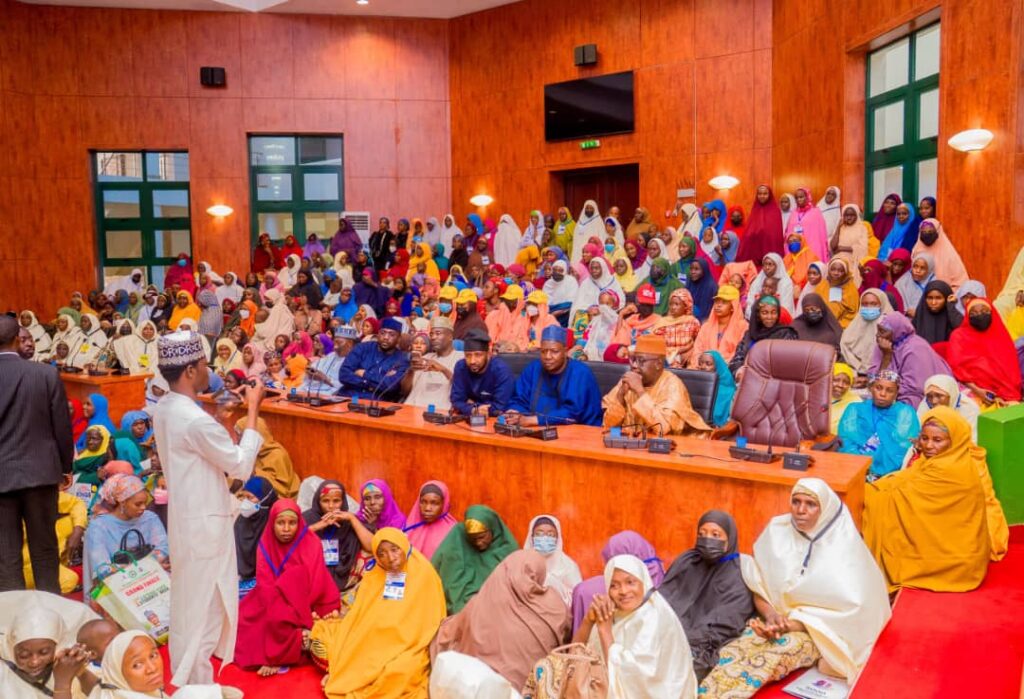
“Our young people have the talent, knowledge and capacity to contribute meaningfully to the development of our state. What they need are opportunities, the right training and an enabling environment to demonstrate their abilities.”
Building Your Future Agenda in Katsina
Merit-Based Selection of Fellows
The Governor stressed that the fellows were chosen through screening, examinations and interviews. He described the process as proof of his administration’s commitment to merit, transparency and fairness.
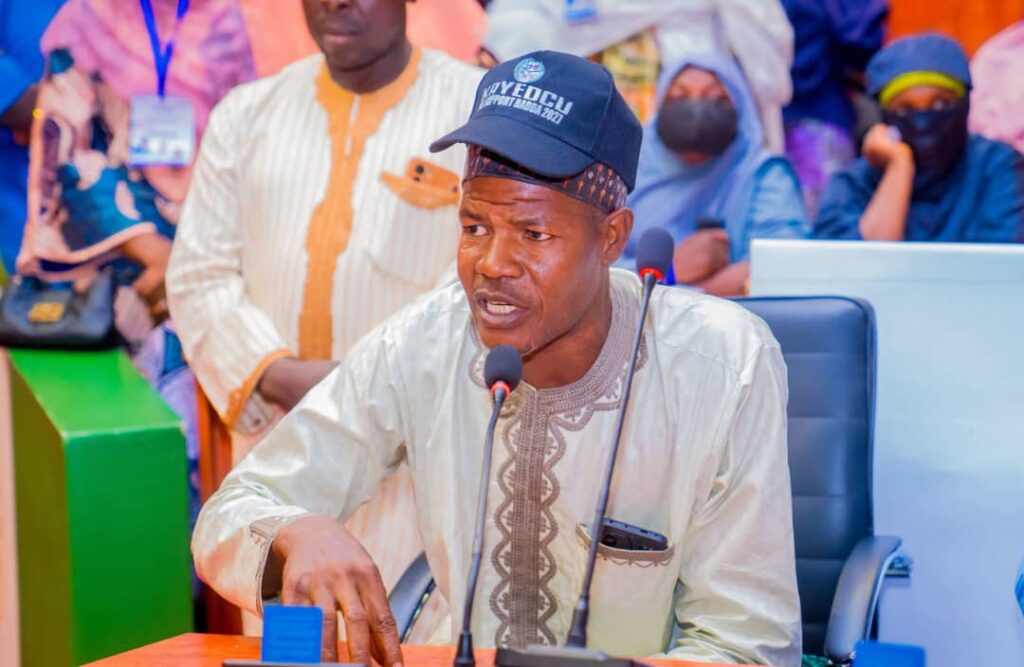
“We believe in merit and equal opportunity. Those selected must earn their positions through competence, dedication and hard work. We will not compromise established procedures or sacrifice merit for personal interests.”
Why Reliable Data Drives Healthcare
Radda said reliable data is essential for effective governance. It helps the state identify healthcare gaps, allocate resources and measure the impact of government interventions.
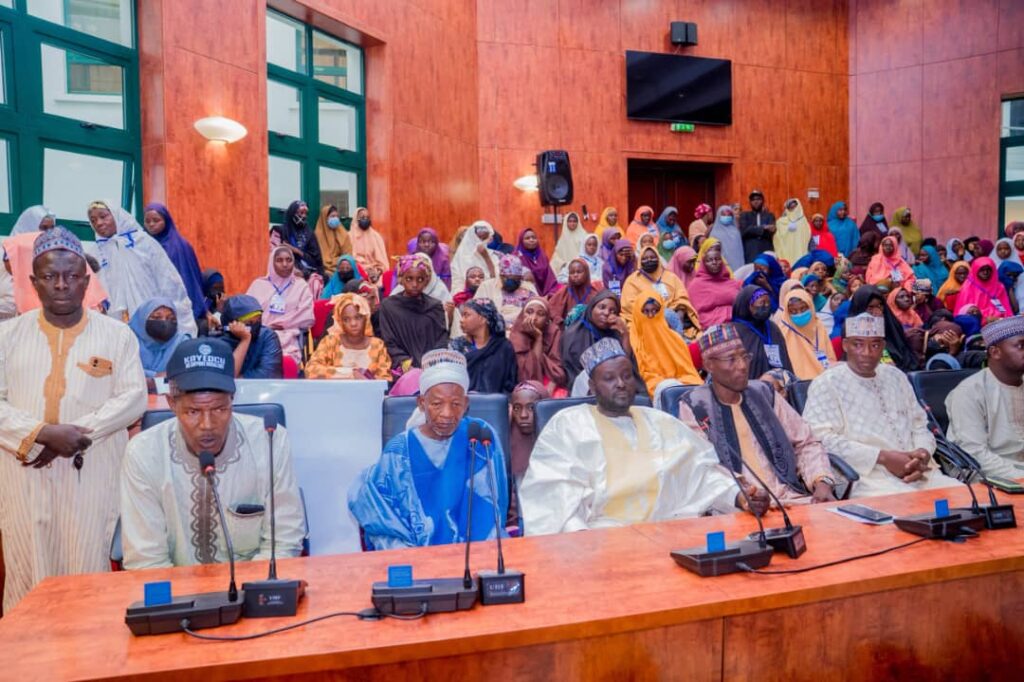
He expects the fellows to support informed decisions and strengthen healthcare planning, especially at the grassroots.
“I expect the fellows to use their skills to support informed decisions, strengthen healthcare planning and improve health outcomes, particularly at the grassroots level.”
The Governor added that the state government remains committed to strengthening primary, secondary and tertiary healthcare institutions. The aim is to expand access to essential services.
National Health Fellowship Programme
Thanks to Federal and State Partners
Radda commended the Federal Government and the Federal Ministry of Health and Social Welfare for introducing the programme. He also thanked the Katsina State Ministry of Health and other agencies for supporting its implementation.
He congratulated the graduating fellows. He urged the incoming cohort to show professionalism, discipline, integrity and dedication to public service.

“You are ambassadors of your respective local government areas and Katsina State as a whole. I urge you to discharge your responsibilities professionally and remain committed to improving the lives of our people.”
Health Commissioner Explains the Fellows’ Role
The Commissioner for Health, Hon. Musa Adamu Funtua, said the programme strengthens the state’s healthcare system. It equips young professionals with skills for health sector planning and implementation.
He said the fellows were selected through a rigorous, merit-based process. They were deployed across the 34 local government areas to support data collection, information gathering and healthcare monitoring.
“Accurate information helps government identify gaps, determine priorities and ensure that interventions reach the communities where they are most needed.”
Funtua commended Governor Radda for backing healthcare reforms and creating opportunities for young people in public service. He also urged both cohorts to stay professional and committed.
Fellows Helped Enrol 140,000 Residents
The Executive Secretary of the Katsina State Contributory Healthcare Management Agency (KTSCHMA), Dr. Mohammed Ibrahim Safana, praised the fellows. He said they supported the enrolment of 140,000 poor and vulnerable residents under the Katsina State Contributory Healthcare Scheme.
According to Safana, the fellows played a significant role in reaching underserved populations, particularly residents of remote communities.
“The fellows played an important role in reaching vulnerable residents during the enrolment exercise. We appreciate their commitment and the support they provided in helping us extend healthcare coverage to people in our communities.”
Next Enrolment Phase Starts in November 2026
Safana disclosed that the agency plans to work with the second cohort on the next enrolment phase. It is expected to begin in November 2026, with activities across the state’s 361 wards.
He said the agency will keep working with relevant stakeholders to expand healthcare coverage and improve access to services in Katsina State.
Who Attended the Ceremony

Those present included:
- Former Minister of Housing and Urban Development, Arc. Ahmed Musa Dangiwa
- Members of the State Executive Council
- Heads of ministries, departments and agencies
- Senior government officials
- Representatives of relevant health sector institutions
- Members of the graduating first cohort
- The incoming second cohort
FAQ
What are the Katsina health fellows expected to do?
They will apply their skills in healthcare planning, data collection and service delivery across the state’s 34 local government areas.
How many fellows graduated and how many were inaugurated?
The first cohort of 34 fellows graduated, and a second cohort of 34 fellows was inaugurated.
When will the next healthcare enrolment begin?
The next phase is expected to begin in November 2026, with activities across the state’s 361 wards.
Follow us on:
Author