
Iran-US War Escalates as Strait of Hormuz Dispute Threatens Peace Talks
Fresh tensions have erupted between Iran and the United States after Tehran issued a sharp warning to President Donald Trump following his threat to “take over the rest of the country” if Iran closes the Strait of Hormuz again.
The latest exchange underscores the fragile nature of ongoing diplomatic efforts aimed at ending months of conflict, as negotiators from both sides continue high-stakes talks in Europe in search of a lasting peace agreement.
On Monday, senior Iranian officials publicly rebuked Trump’s remarks, describing them as provocative and unacceptable while reiterating that decisions concerning the strategically vital Strait of Hormuz remain entirely within Iran’s sovereign authority.
Ebrahim Azizi, head of the Iranian parliament’s National Security and Foreign Policy Commission, delivered one of Tehran’s strongest responses yet.
In a message posted on social media, Azizi appeared to directly address the American president.
“You make threats; we take action,” he wrote.
He further added:
“The Strait of Hormuz is neither your personal casino nor the backyard of modern-day pirates; these are Iranian sovereign waters, and the ultimate decision rests with the noble people of Iran and its brave armed forces.”
The comments represent another escalation in the war of words between Washington and Tehran at a time when diplomats are attempting to salvage a fragile ceasefire.
Strait of Hormuz Returns to the Centre of Global Tensions
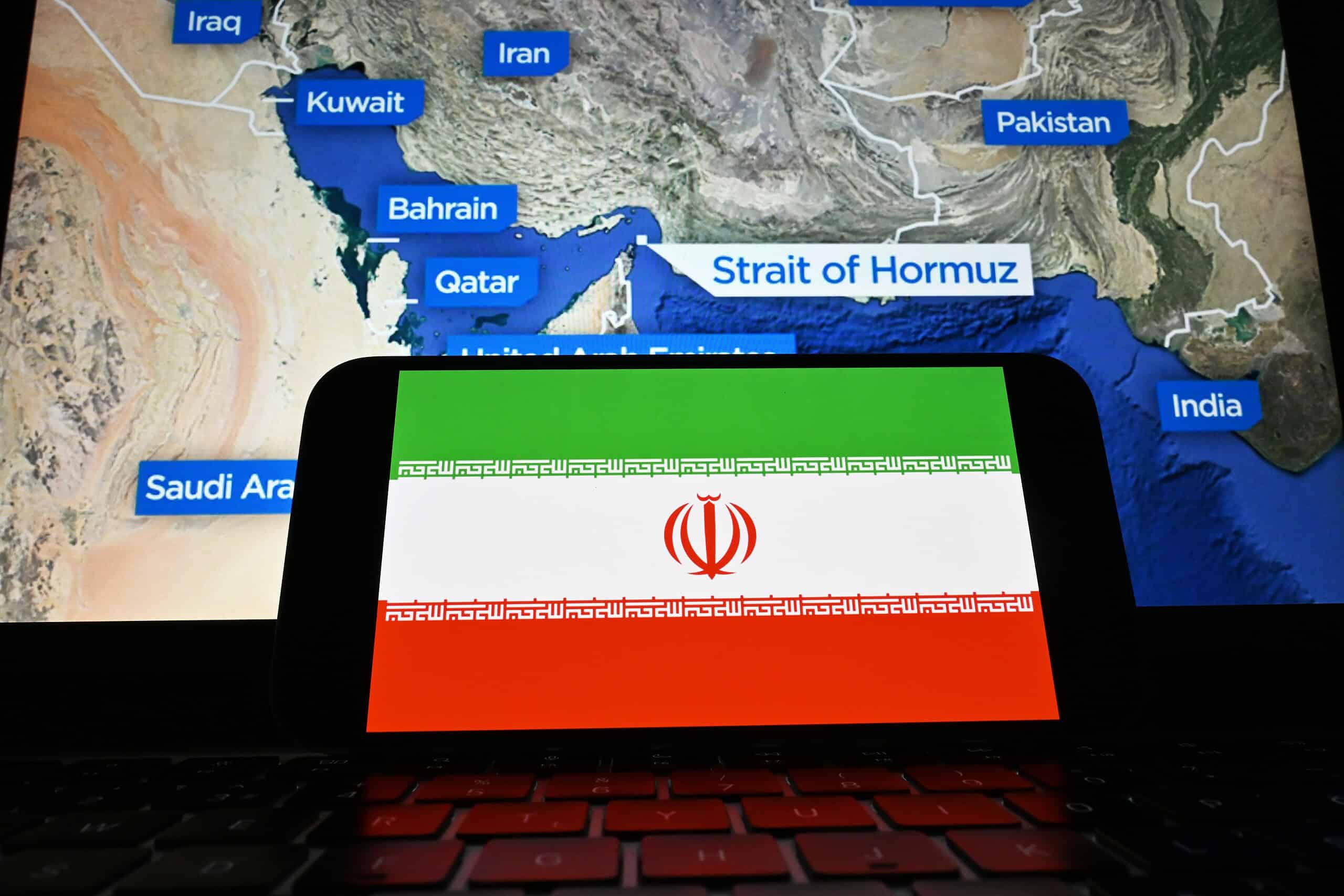
The Strait of Hormuz remains one of the world’s most strategically important waterways.
The narrow passage links the Persian Gulf to the Gulf of Oman and serves as a critical route for global oil shipments, making any disruption capable of sending shockwaves through international energy markets.
Last week, Iran had effectively lifted its blockade of the waterway after reaching an understanding with the United States to extend an existing ceasefire and create space for broader peace negotiations.
That move had been interpreted as a positive signal that both sides were willing to de-escalate tensions and pursue a diplomatic resolution.
However, the situation quickly changed.
On Saturday, Iran’s Revolutionary Guards announced that the strait would once again be shut, citing Israeli military strikes in Lebanon as the reason for the renewed action.
The development immediately reignited fears of a broader regional conflict that could involve multiple actors across the Middle East.
The renewed closure also raised concerns about potential disruptions to international shipping routes and the global supply of crude oil.
Trump’s Warning Raises Stakes
President Trump responded forcefully to Iran’s latest actions.
According to Fox News correspondent Trey Yingst, Trump revealed on Sunday that he had personally warned Iranian officials about the consequences of shutting down the waterway.
The US president reportedly said:
“You close [the strait] and you won’t have a country.”
The statement immediately attracted strong reactions from Iranian officials and observers around the world.
Critics argue that such rhetoric risks undermining ongoing negotiations and could further inflame already heightened tensions.
Supporters, however, may interpret the comments as an attempt to deter Iran from disrupting one of the world’s most important maritime corridors.
Regardless of interpretation, the remarks demonstrate the high stakes involved in the current standoff.
Both countries are walking a delicate line between diplomacy and confrontation.
Peace Negotiations Continue Despite Early Setbacks
While tensions continue to dominate headlines, diplomatic efforts have not completely collapsed.
High-level negotiations aimed at formally ending the conflict are expected to continue throughout the week.
The talks are taking place in Zurich, Switzerland, where senior officials from both countries are attempting to hammer out the framework for a comprehensive peace agreement.
Among those participating is US Vice President JD Vance, who has joined other American officials for the discussions.
The objective is to establish terms that can secure a long-term cessation of hostilities while addressing broader regional security concerns.
However, progress has been difficult.
Sources familiar with the negotiations describe the opening sessions as tense and complicated.
Iranian negotiators reportedly walked out of one of the early meetings following what they characterised as “insults” from President Trump.
The incident temporarily stalled discussions and highlighted the deep mistrust that still exists between both sides.
Diplomats are nevertheless pushing forward, recognising that the consequences of failure could be severe.
Regional Stability Hangs in the Balance
The current dispute extends far beyond Iran and the United States.
Several countries across the Middle East are closely monitoring developments due to the potential impact on regional security.
Any prolonged disruption to the Strait of Hormuz could have significant economic consequences globally, given its central role in international energy transportation.
Energy markets have historically reacted sharply to instability surrounding the strait.
Even temporary closures can trigger volatility in oil prices, increase transportation costs and place additional pressure on already fragile global supply chains.
The renewed standoff also complicates existing tensions involving Israel and Lebanon.
Iran’s decision to close the strait was directly linked to Israeli military actions in Lebanese territory, demonstrating how interconnected regional conflicts have become.
Analysts warn that further escalation could draw additional countries into the crisis if diplomatic efforts fail.
Diplomatic Window Remains Open
Despite the hostile rhetoric exchanged in recent days, both governments have left the door open for diplomacy.
The continuation of talks in Zurich suggests neither side is prepared to completely abandon negotiations.
For the United States, securing freedom of navigation through the Strait of Hormuz remains a top strategic priority.
For Iran, maintaining sovereignty while obtaining security guarantees appears central to its negotiating position.
The challenge for both sides will be balancing domestic political pressures with the compromises necessary to achieve peace.
Statements directed at local audiences often complicate international diplomacy, particularly during periods of heightened tension.
The coming days will likely prove decisive.
Negotiators face the difficult task of rebuilding trust while preventing further military escalation.
A Critical Week for Global Security
The world is now watching closely.
The confrontation between Iran and the United States has once again highlighted how quickly fragile agreements can unravel when geopolitical tensions resurface.
What began as a ceasefire extension has rapidly evolved into another diplomatic test that could reshape regional security dynamics.
The future of the Strait of Hormuz, ongoing peace negotiations and broader Middle Eastern stability may all depend on the outcome of discussions taking place this week.
For now, tensions remain high, rhetoric is escalating and uncertainty continues to dominate the geopolitical landscape.
Whether diplomacy ultimately prevails over confrontation will determine not only the future relationship between Washington and Tehran but also the stability of one of the world’s most strategically important regions.
Author