
A leader should be a model of conduct and personal interaction. Among the qualities that define effective leadership, humility stands out. It allows leaders to look beyond their egos, draw from the collective wisdom of those around them and make decisions in the broader interest of the people they serve.
Humility also makes leaders approachable. It builds trust, encourages openness and creates an environment where people feel valued regardless of their position or status.
The importance of humility is deeply rooted in Islam. Allah instructed His Messenger, Prophet Muhammad (sallallahu alaihi wasallam), to demonstrate kindness, tenderness and humility toward believers.
Allah says:
“And be kind and humble to the believers who follow you.”
— Surah Ash-Shu‘araa: 215
He also says:
“And lower your wings for the believers.”
— Surah Al-Hijr: 88
The Prophet Muhammad (sallallahu alaihi wasallam) embodied this quality despite his exalted status, prophethood and vast knowledge. When he sat among his companions, he was often indistinguishable from them. Visitors could even ask, “Which of you is Muhammad?”
He did not look down on his companions, nor did his position make him conceited.
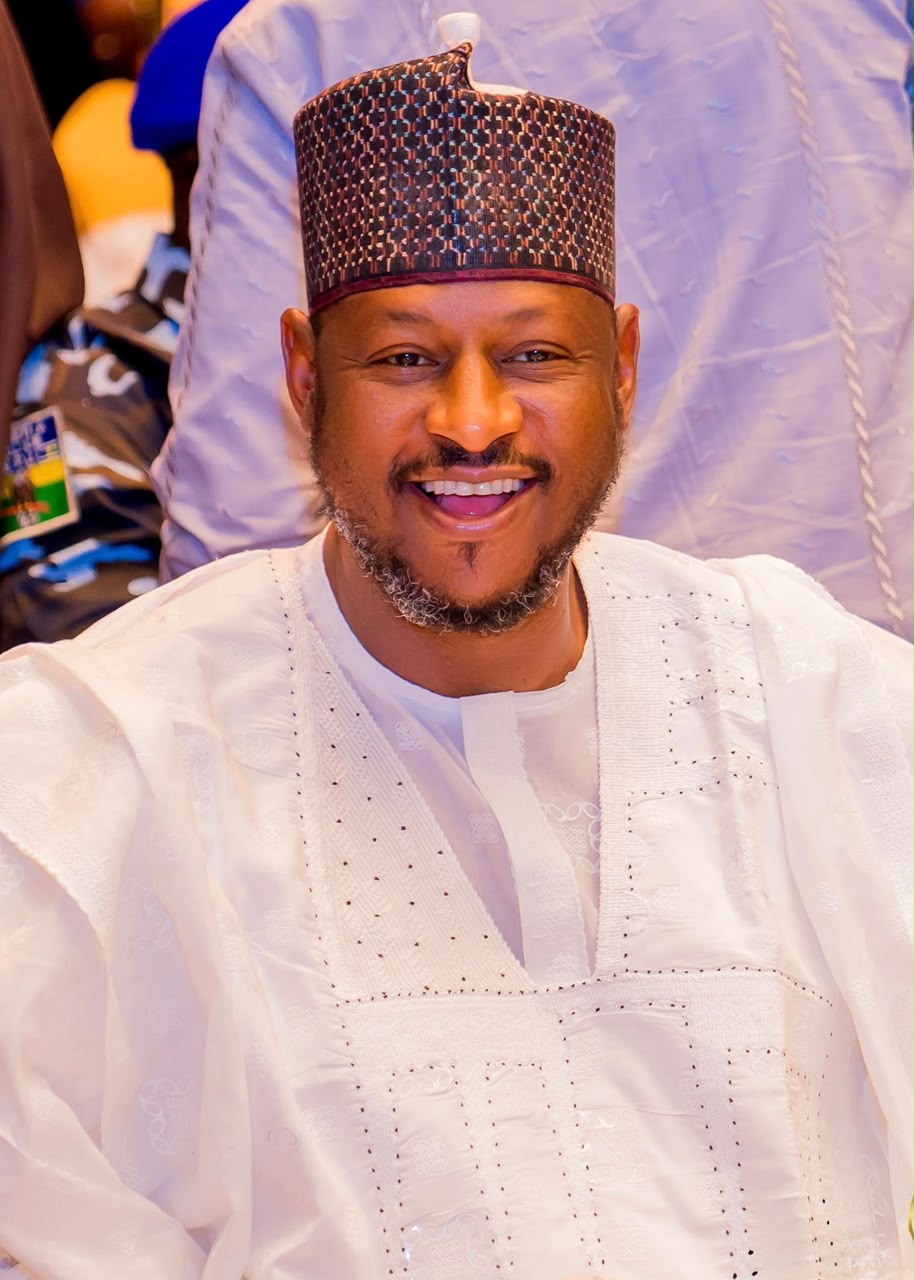
It is this same quality of humility that I witnessed firsthand in Governor Dikko Umaru Radda of Katsina State.
The encounter took place at An-Nuur Masjid in Wuse 2, Abuja, during the first and second days of Ramadan Tafseer in 2025.
After the Asr prayer, I was seated in the last row. A man who had prayed in the second-to-last row joined me and quietly sat beside me. He began reciting the Qur’an from a copy placed on a small table in front of him, while I engaged in my evening adhkār.
After some time, several people approached him to offer greetings, addressing him as “Your Excellency.”
That was when I realised that the man sitting quietly beside me was the Executive Governor of Katsina State.
What struck me most was not simply that the governor had attended the Tafseer. It was the manner in which he attended.
He did not ask me to vacate my seat. None of his security aides asked me to move. He had entered through the back door and taken a seat among ordinary worshippers, rather than using his position to claim the front row or demand special treatment.
For a public official of his standing, it was a striking demonstration of humility.
He could easily have entered through the front and taken a prominent seat, as many dignitaries might. Instead, he chose to sit quietly among the congregation.
Remarkably, on the second day of Ramadan, a Sunday, I once again found myself seated beside the governor.
That experience offered a simple but powerful lesson: leadership is not measured only by the office a person occupies, but also by how that person carries himself among others.
Governor Radda’s electoral victory, which secured support in 33 of Katsina State’s 34 Local Government Areas, marked the beginning of his administration’s journey to transform the state through policies and development programmes.
Since assuming office, his administration has pursued an agenda focused on security, economic development and improved social services. Katsina’s challenges remain significant, but the administration’s stated vision is centred on building a more secure, prosperous and economically vibrant state.
For me, however, leadership is not only about policies, projects or political victories. It is also about character.
And humility is one character trait that other leaders would do well to emulate.
May Allah continue to guide and protect Governor Radda, grant him long life and good health, and strengthen him in the service of Katsina State.
After what I believe should be eight successful years as Governor of Katsina, Nigeria may yet require a leader with his qualities to take on a greater national responsibility. If that is Allah’s will, He can make it possible.
Abdulwaheed Bello wrote from Wuye, Abuja, and can be reached at belloabdulwaheed@gmail.com.
Author