
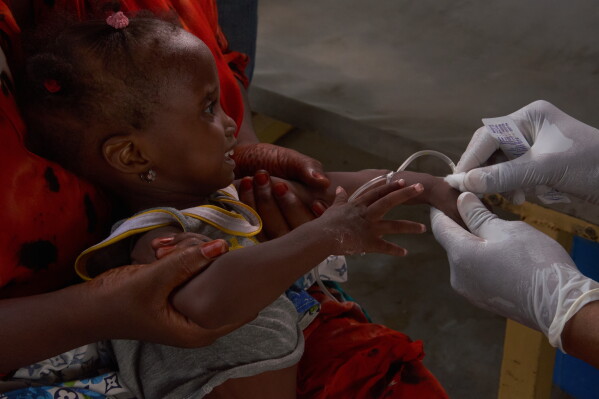
Nigeria is once again battling a deadly cholera outbreak as the country enters the peak of the rainy season, with Borno and Plateau states recording rising infections and deaths while several other states intensify prevention measures.
Health experts have warned that without sustained intervention, more states could experience outbreaks in the coming weeks due to poor sanitation, inadequate access to clean water, population displacement and weak public health systems.
Borno Records Thousands of Cases
Borno State is currently facing one of its most severe cholera outbreaks in recent years.
Data released by Médecins Sans Frontières (MSF) revealed that within one week alone, the state recorded 35 deaths and 3,646 new infections.
Between early May and June 9, authorities documented 74 deaths and 7,850 suspected cholera cases across 12 local government areas.
On June 5, more than 500 suspected cholera patients were admitted to treatment facilities, marking the highest single-day admission figure since response efforts began.
The Maiduguri metropolitan area remains the epicentre, accounting for more than half of all reported cases.
IDP Camp Records 296 Cases in Three Days
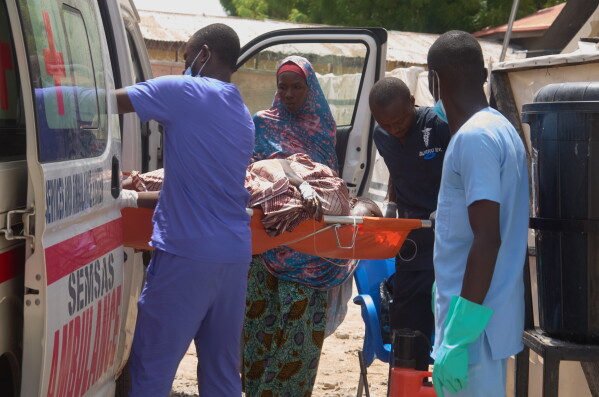
The outbreak has intensified inside internally displaced persons (IDP) camps in Monguno Local Government Area.
Health workers reported that 296 suspected cholera cases were recorded between June 11 and June 13, mostly affecting women and children.
Records showed:
- 48 cases on June 11
- 68 cases on June 12
- 180 cases on June 13
Officials estimate that about 90 per cent of patients came from IDP camps.
A health worker disclosed that some patients died at home after delaying treatment and attempting self-medication.
“Some infected persons refused to come to the treatment centre and died at home. They initially treated the diarrhoea with drugs such as Flagyl and tetracycline before eventually succumbing to the disease,” the official said.
Residents have also expressed concern about the rapid spread.
One resident, Yagana Lawan, said her child suddenly developed symptoms.
“He started vomiting and became very weak. Later, diarrhoea followed. We rushed him to General Hospital Monguno, where he was referred to the cholera treatment centre.”
Plateau Confirms Five Deaths
In Plateau State, authorities have confirmed five deaths linked to a cholera outbreak in Mangu Local Government Area.
State Commissioner for Health, Dr Nicholas Baamlong, said 52 suspected cases have been recorded, with 11 patients currently receiving treatment.
Affected communities include:
- Pushit
- Mangu I
- Mangu II
Although the outbreak is smaller than Borno’s, officials are moving quickly to prevent further transmission.
Why Borno and Plateau Are Highly Vulnerable
Public health experts say multiple factors have made both states particularly susceptible.
Public health expert Dr Aliyu Isah attributed the outbreaks to poor water and sanitation systems.
“Cholera is not a mysterious disease. It thrives where people lack access to safe drinking water and adequate sanitation facilities.”
He added that open defecation and contaminated water sources remain major challenges in many rural communities.
Medical practitioner Godwin Ekuwke said conflict and displacement have worsened Borno’s vulnerability.
“In emergency and humanitarian settings, cholera spreads very quickly because many people live in crowded environments with limited access to clean water and sanitation facilities.”
Another expert, Grace Jegede, highlighted the role of climate change.
“During the rainy season, floodwaters frequently contaminate drinking water sources with human waste.”
She stressed that increasing extreme weather events are making cholera outbreaks more frequent.
States Intensify Preventive Measures
Several states are already strengthening emergency preparedness.
Benue State
The state government has:
- Activated Rapid Response Teams
- Pre-positioned medical supplies
- Intensified public awareness campaigns
- Strengthened collaboration with health agencies
State Commissioner for Health, Dr Paul Ogwuche, said authorities remain on high alert.
Taraba State
Although no cases have been officially reported, health officials remain cautious due to previous outbreaks in internally displaced persons camps.
Bauchi State
The state says it has:
- Functional disease surveillance systems
- Trained Rapid Response Teams
- Emergency Operations Centres
- Designated Cholera Treatment Units
Kebbi State
Authorities have activated their epidemiology teams and intensified public education campaigns focused on hygiene and environmental sanitation.
Health officials continue to urge Nigerians to prioritise handwashing, drink safe water, properly dispose of waste and seek immediate medical attention when symptoms such as severe diarrhoea and vomiting appear.
Author