
Sweeping cuts to international aid funding have already damaged the global fight against AIDS, tuberculosis and malaria, the head of the Global Fund warned on Wednesday, cautioning of lasting consequences unless the reductions are reversed.
Peter Sands, executive director of the Global Fund to Fight AIDS, Tuberculosis and Malaria, said countries had softened the immediate blow by shifting resources, but that “health outcomes” would deteriorate in the coming years.
“There is no doubt that the reductions in external funding have had an impact on health outcomes,” Sands, a former international banker, told reporters.
“What you saw in 2025 was countries shifting resources and prioritising immediate life-saving activities,” he said. “Treatment, in a sense, did better than prevention, because understandably people were ensuring that people who had got ill were treated.”
The United States, Britain and other major donors have all reduced aid funding. Sands said the Global Fund invested about $5.3 billion between 2024 and 2026, and is awaiting World Health Organization data for 2025 to assess the full toll on lives.
He warned that the sharpest damage would come over time, as long-term programmes were sidelined. “We saw a de-prioritisation of some longer-term activities in terms of training, capacity development, infrastructure development,” he said. “It would be very difficult to sustain further reductions in funding without an escalating impact on health outcomes.”
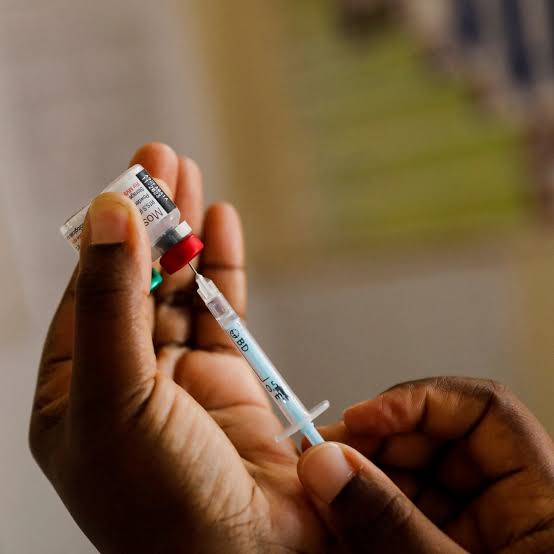
Sands said malaria worries him most. The disease kills more than 600,000 people a year, according to WHO estimates, and he described it as the issue “that keeps me awake at night” given that spending was already “inadequate”.
Since 2002, the Global Fund says its work has helped save 72 million lives and cut the combined death rate from the three diseases by 65 per cent.
“Against diseases like this, if you’re not winning, you’re losing, and we need to keep winning,” Sands said.
Author