
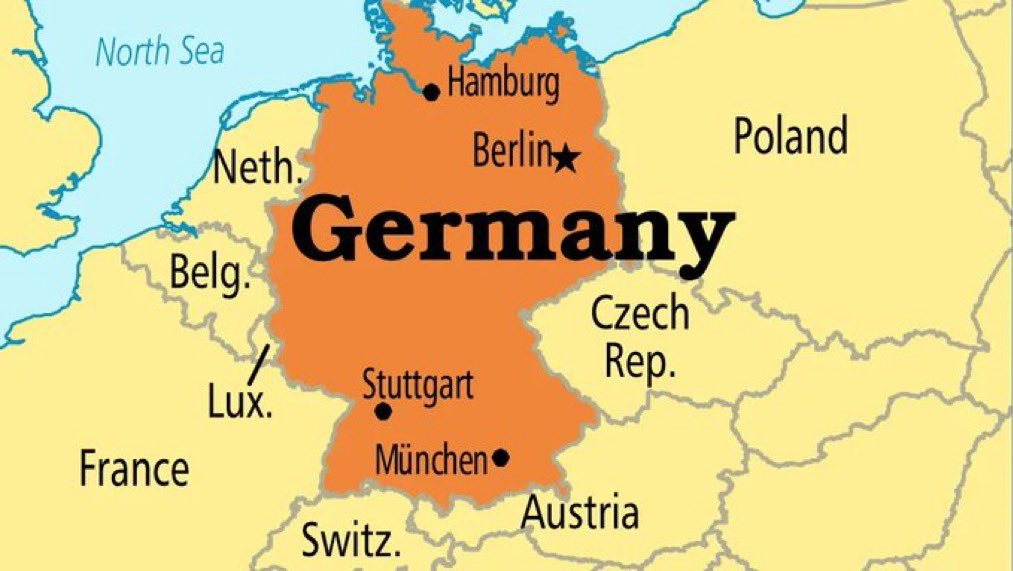
Germany deported at least 137 Nigerians in five documented chartered operations between February and June 2026, with several of the flights involving cooperation with other European countries.
The figures, contained in reports monitored by the DERS Team and Refugees4refugees.org, show that 27 Nigerians were deported in February, 37 by Germany as part of a 50-person joint European Union operation in March, followed by 24 in April, 23 in May and 26 in June.
The five operations reflect the continued use of organised charter flights by Germany and other European countries to enforce migration decisions involving Nigerian citizens.
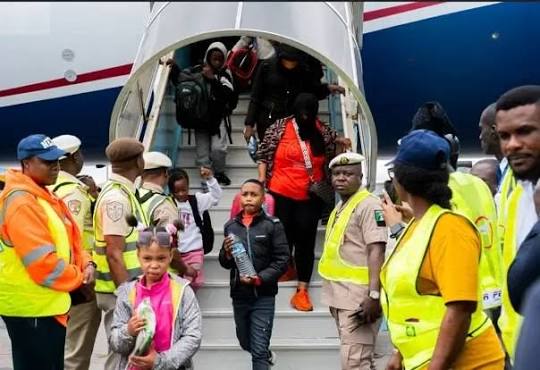
On February 18, 27 Nigerians arrived at Lagos Cargo Airport following a deportation operation from Germany.
According to Refugees4refugees.org, the flight was operated by World2fly and departed Stuttgart before landing in Lagos shortly before 2 pm.
Germany was primarily responsible for the operation, although one severely ill person described as mentally unfit was transferred from Slovakia and joined the 26 people deported from Germany.
The report identified Baden-Württemberg as a major participant in the operation and noted that Stuttgart had hosted both the December 2025 and February 2026 deportation operations to Nigeria.
It further alleged that some deportees had serious health conditions, while others had lived and worked in Germany for several years.
Among the cases cited was that of a single mother and her three children who were deported from the Sindelfingen district in Stuttgart despite reportedly possessing documentation relating to their residence status.
The family later returned to Germany after a volunteer intervened and local foreign authorities confirmed that the deportation had been carried out in error, according to the report.
The February operation also took place as Nigeria participated in preparations for the Voluntary National Review of the Global Compact for Migration ahead of the 2026 International Migration Review Forum in New York.
The DERS Team said Nigerian government agencies did not send representatives to receive the deportees at the airport. It added that the returning Nigerians were subsequently transported from the airport without adequate assistance.
On March 10, a further 50 people were deported to Nigeria in a joint EU operation hosted by Germany and involving Spain, Austria and Belgium.
Germany accounted for 37 of those deportations, according to the figures provided. The operation was described as the largest single deportation involving Nigerians in the three-year period referenced in the report.
Another 24 Nigerians, including women and a minor, were deported on April 9 on a chartered flight from Frankfurt organised through Frontex and German authorities.
A further 23 Nigerians were returned in May, while another 26 arrived in Lagos on June 17 following a routine chartered deportation flight.
The five documented operations brought the total number of Nigerians deported from Germany to at least 137 between February and June 2026.
The figures underscore the continued reliance on organised charter flights in the enforcement of migration decisions involving Nigerians in Europe.
Migration rights advocates have continued to call for stronger safeguards for vulnerable people and proper procedures to prevent wrongful deportations.
Conflict, exploitation, climate-related pressures and economic inequality remain among the factors identified as drivers of irregular migration.
Migration involves the permanent or temporary movement of people within a country or across international borders, influencing populations, cultures and labour markets.
Author