
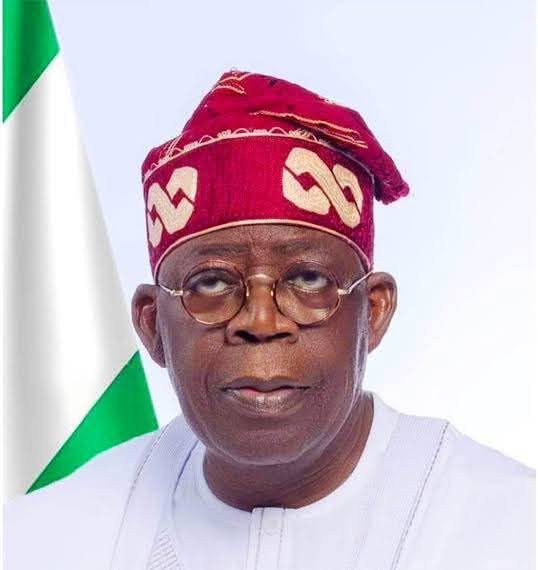
President Bola Ahmed Tinubu has declared that Nigeria has moved beyond the difficult phase of his administration’s economic reforms and entered what he described as an “age of prosperity”.
Tinubu made the declaration on Thursday in his Independence Day address marking Nigeria’s 66th anniversary, saying the focus of his administration would now shift from correcting economic distortions to delivering jobs, production and improved living standards.
“The emergency treatment is over. The foundation has been repaired,” Tinubu said, adding that the government’s purpose had changed from correcting the country’s economic course to pursuing “shared and widespread prosperity.”
The President defended the reforms introduced since his administration assumed office, arguing that they were necessary to address longstanding weaknesses in the economy.
According to Tinubu, Nigeria’s economy has grown by more than four per cent in 2026, while both the oil and non-oil sectors have contributed to what he described as a period of stable growth.
He also said oil theft had declined, inflation had fallen from its peak, foreign reserves had been rebuilt and the foreign exchange market had stabilised. Tinubu further claimed that Nigeria recorded more than $6 billion in non-oil export revenue in 2025, which he described as the country’s highest on record.
Tinubu acknowledged that the reforms had brought significant hardship, but maintained that the difficulties were consequences of addressing problems that had accumulated over decades.
He said the next priority was to reduce the cost of living by lowering the cost of producing and transporting goods.
The President outlined plans to expand mechanised irrigation and dry-season farming, improve access to seeds and fertiliser, increase agricultural mechanisation and invest in storage and transportation.
He also pointed to ongoing investments in roads, railways and ports, saying lower production and transportation costs should ultimately translate into lower prices for consumers.
On employment, Tinubu said jobs, enterprise and industrial growth would remain central to government policy. He pledged to use Nigeria’s gas resources to support new industries, revive factories, expand digital connectivity and provide businesses with infrastructure, finance and skills needed for growth.
He also called for greater production of Nigerian goods, stronger agricultural output and more Nigerian businesses competing in international markets.
Tinubu acknowledged that millions of Nigerians continue to struggle with food, school fees, healthcare and transportation costs. He said the government would strengthen direct support for vulnerable households and improve the National Social Register to ensure assistance reaches those who need it.
He also cited the Nigerian Education Loan Fund and CREDICORP as programmes intended to expand access to education and consumer credit, while pledging continued investment in primary healthcare, basic education and other essential public services.
The President said the government’s objective was not simply to manage poverty but to eliminate it through sustained economic growth and the creation of millions of productive opportunities.
“The age of reform has done its work. Now begins the age of prosperity,” Tinubu said.
He acknowledged that the road ahead would still require discipline and sustained growth, but argued that Nigeria was now better positioned to pursue broader prosperity.
Tinubu concluded his address by urging Nigerians to look forward rather than back, saying the country had “corrected its course” and should move towards what he described as a Nigeria of abundance, opportunity and broadly shared prosperity.
Follow us on:
Author