
Katsina State Governor Dikko Umaru Radda has called for stronger private-sector participation in public development projects, arguing that governments need to create conditions that enable private capital to support infrastructure, healthcare, agriculture and job creation.
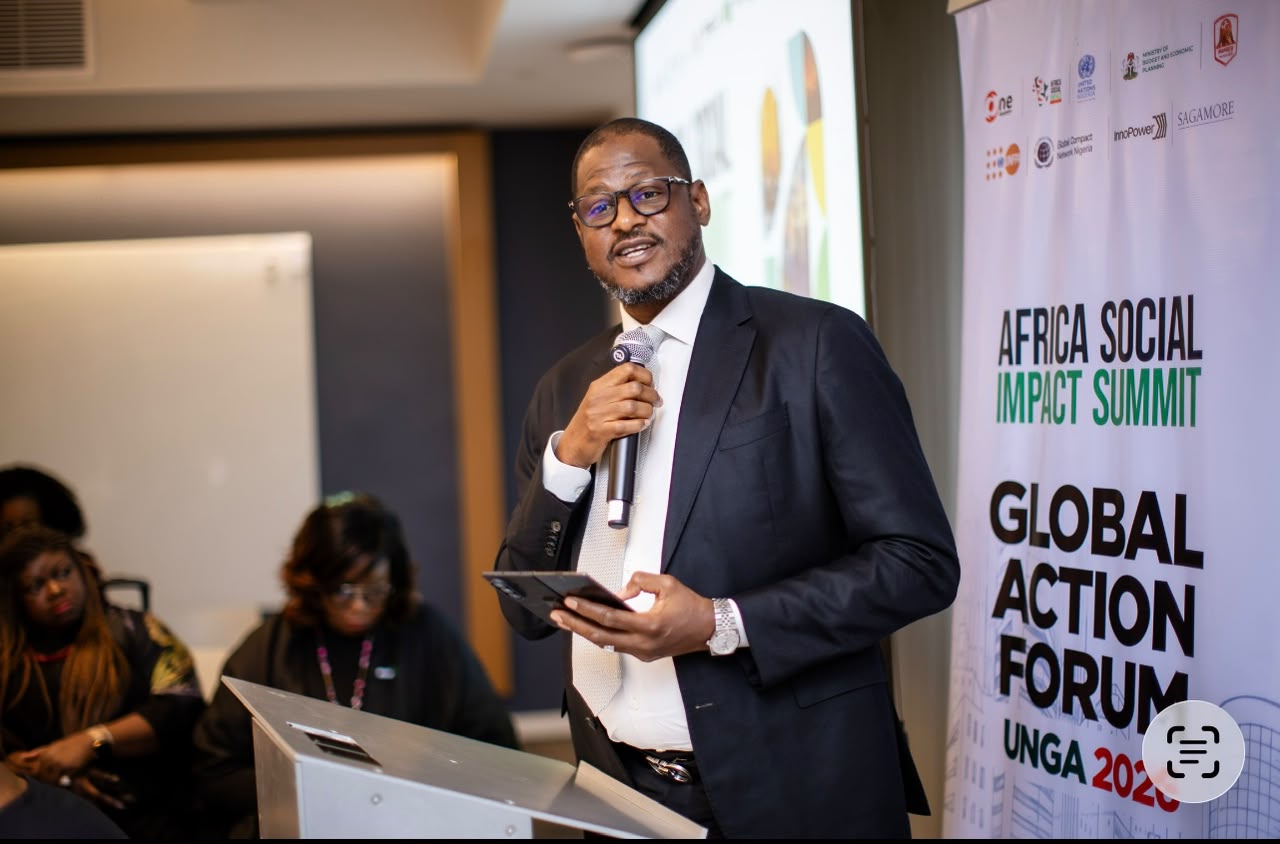
Radda made the call while delivering special remarks at the inaugural ASIS Global Action Forum on the sidelines of the 81st United Nations General Assembly in New York on Tuesday.
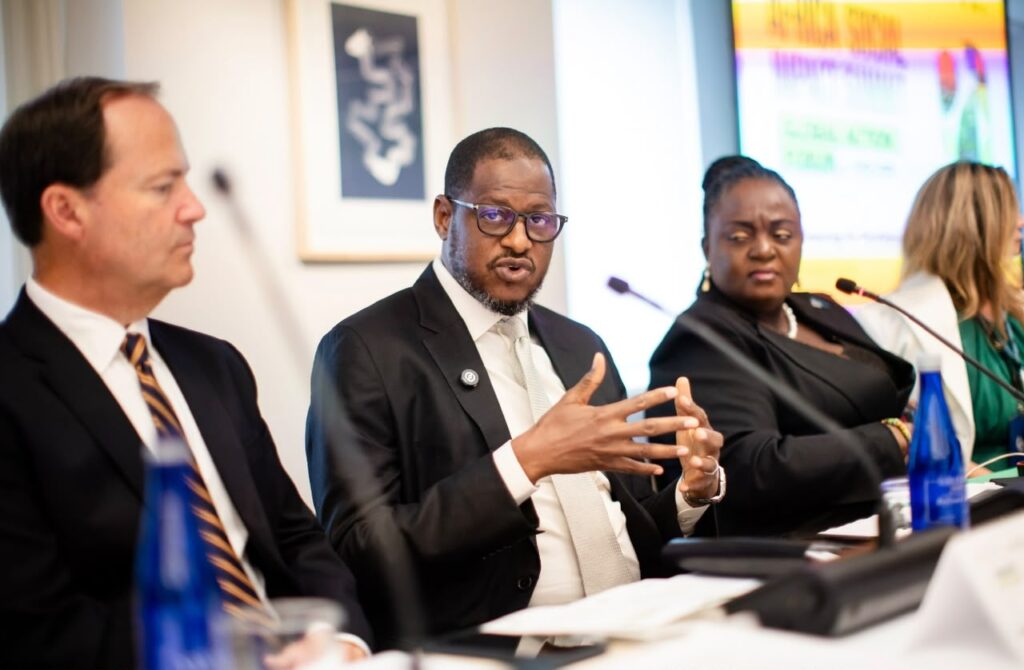
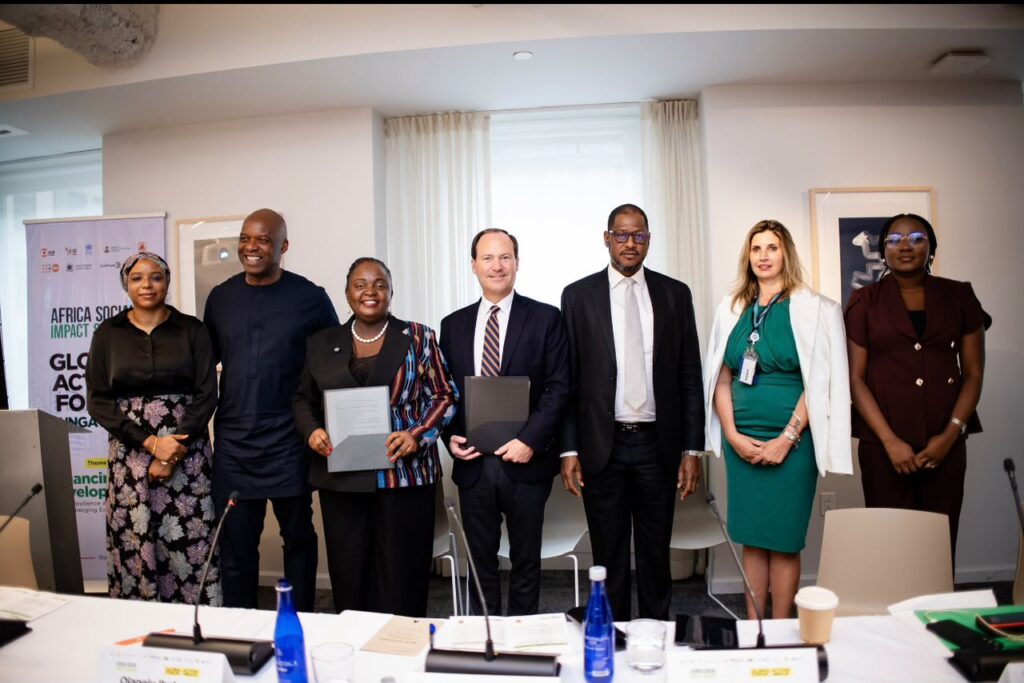
According to a statement issued by the Katsina State Government, the forum was convened by the Sterling One Foundation, in partnership with UNFPA, RALLY Africa and other organisations, and brought together government officials, investors, development finance institutions, businesses and philanthropic organisations to discuss new approaches to financing development.
Speaking from Katsina’s experience, Radda said the central challenge was no longer the availability of financing options but the difficulty of bringing private capital into public projects through structures that can deliver sustainable development.
“Our constraint is not the absence of financing options. Katsina has benefited from 11 World Bank projects with a combined portfolio of about $430 million across education, water, rural roads, agriculture and environmental development,” the governor disclosed.
Radda outlines existing development financing
The governor cited several World Bank-backed interventions in the state, including AGILE for girls’ education, BESDA and TESS in basic education, ACRESAL for land restoration, SURWASH in water supply and RAAMP for rural road development.
He also listed newer interventions including SOLID, AGROW, SPIN and the Nigeria for Women Programme.
Beyond World Bank financing, Radda said the African Development Bank is financing Katsina’s Agro-Industrial Processing Zone with $30 million, while the Islamic Development Bank is providing $60 million for the first phase of the state’s Integrated Agricultural Development Hubs.
Despite the range of financing sources available, the governor said private-sector participation in public projects, particularly at the subnational level, remained below what is required.
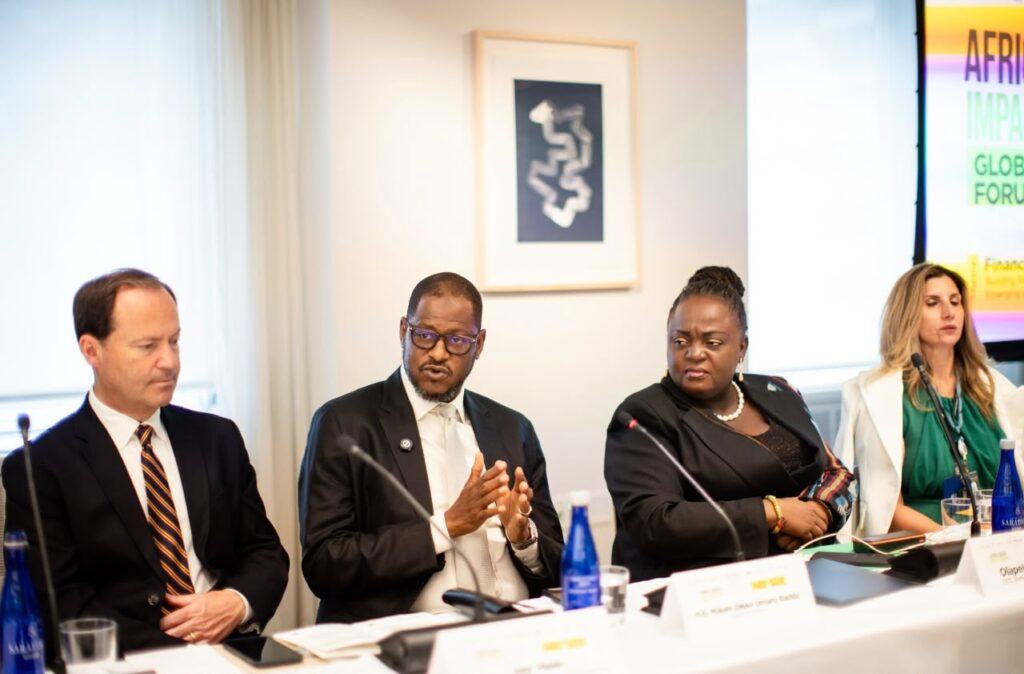
“The sources have multiplied. What has not multiplied is private capital sitting inside public projects,” he said.
According to Radda, investors face several barriers when considering public projects, including uncertain revenue streams, untested off-take arrangements, currency risks, inadequate project preparation and concerns about whether contracts will remain in place across successive administrations.
He said these challenges could be addressed through deliberate action by governments and their development partners.
Governor proposes four areas for investment
Radda identified four areas requiring attention to close the gap between public projects and private investment: stronger Public-Private Partnership frameworks, effective de-risking mechanisms, disciplined counterpart funding, and transparent monitoring and evaluation.
On PPPs, he called for legally sound and transparent frameworks at the subnational level that can withstand political transitions.
He also stressed the need for proper project preparation so that investors are presented with bankable transactions with clear financial structures rather than projects that remain at the proposal stage.
For risk reduction, the governor advocated the use of guarantees, first-loss capital, viability gap funding, currency hedging and political risk cover, saying such instruments should operate at the scale and speed required by state governments.
On counterpart funding, Radda said governments seeking private investment must first demonstrate their ability to meet their own financial commitments.
“In Katsina, counterpart funding is a ring-fenced, first-charge line, because a government that cannot keep its smallest financial promise cannot ask anyone to keep a larger one,” he said.
He also called for independent, data-driven monitoring of development projects and adequate provision for operations and maintenance from the outset to ensure projects remain functional after initial financing ends.
Radda highlights investment opportunities in Katsina
Turning to investors at the forum, Radda identified opportunities around government-backed projects in agricultural aggregation, storage, processing, logistics, mechanisation, off-take and working capital.
He urged investors to engage governments during the design phase of projects so that potential risks and concerns can be addressed before investments are structured.
“Come in early. Engage us at design stage, and the de-risking you need is built into the project rather than retrofitted onto it. That protects your return and secures our impact,” Governor Radda said.
The governor assured investors that Katsina State would continue working to create an environment for responsible investment through stable policies, respect for contracts, transparent procurement and protection of people and assets.
“Government will not be the investor of last resort. But we will guarantee the conditions in which capital thrives: policy stability, sanctity of contract, transparent procurement, security of people and assets, and leadership that treats office as a stewardship,” he declared.
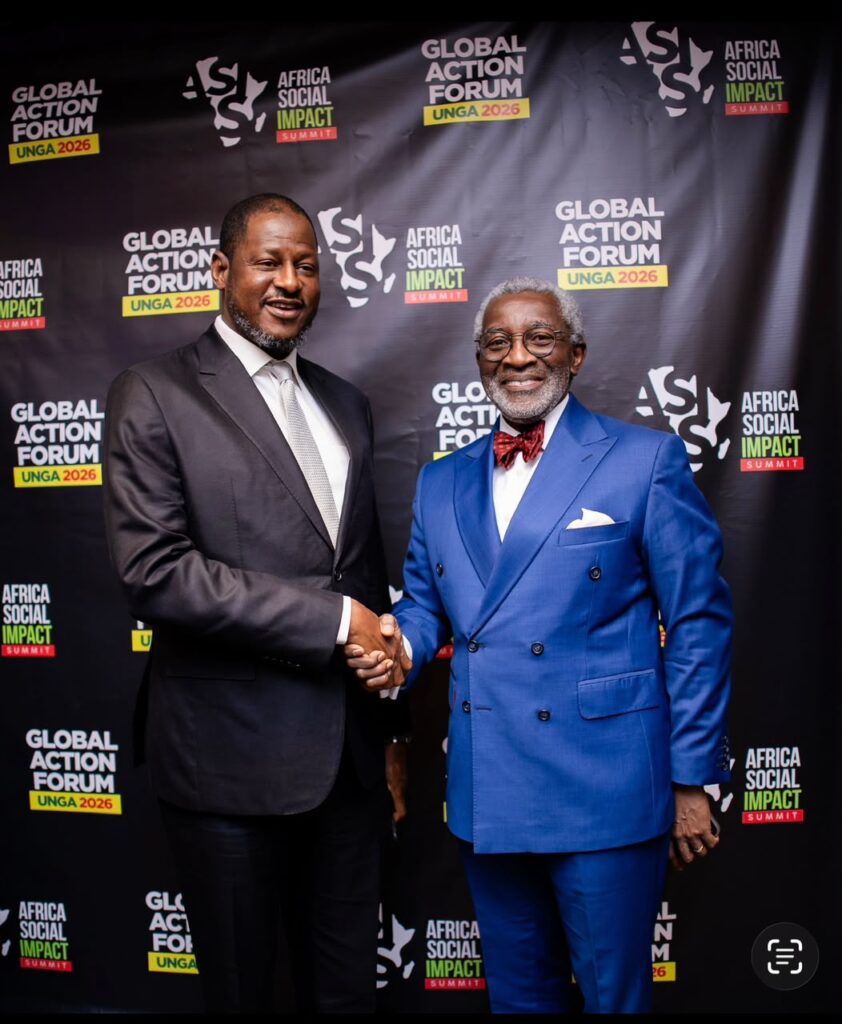
Radda also challenged participants at the New York forum to ensure that discussions on development financing translate into actual investments and measurable development outcomes.
The statement was signed by Ibrahim Kaula Mohammed, Chief Press Secretary to the Governor of Katsina State, and dated September 24, 2026.
Author