

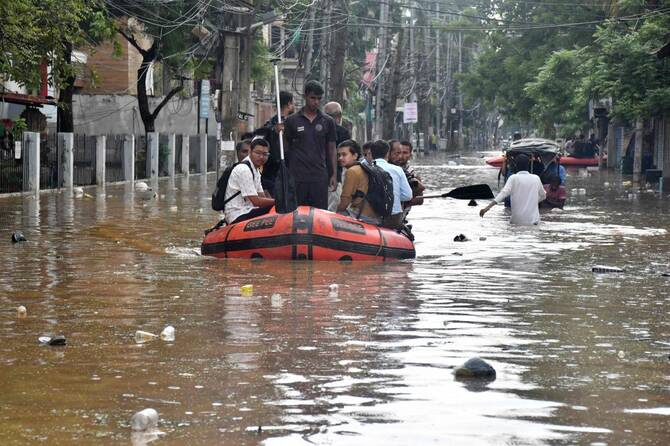
More than 100 people have died across India since July after torrential monsoon rains triggered devastating floods and landslides, forcing thousands of residents to flee their homes.
The annual monsoon is vital for agriculture across South Asia, but scientists warn that climate change is making rainfall increasingly erratic, unpredictable and more destructive.
India’s northeastern state of Assam has recorded the highest number of fatalities, with at least 87 deaths, according to Chief Minister Himanta Biswa Sarma.
The worst-hit area is Sivasagar district, where 47 people have lost their lives as widespread flooding continues to submerge communities.
State authorities have appealed for public donations to support ongoing relief and rehabilitation efforts.
“The devastation here is unlike anything these areas have witnessed before,” Sarma wrote on X.
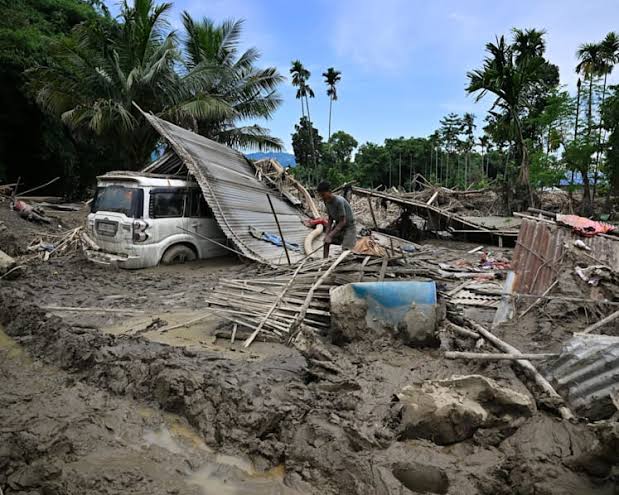
“Material losses can be restored, but no compensation can replace a loved one.”
In the southern state of Kerala, at least 15 people have died, while seven others remain missing following days of heavy rainfall.
Authorities have established more than 300 relief camps, providing shelter for over 10,000 displaced residents after landslides and overflowing rivers destroyed homes and infrastructure.
In the Himalayan territory of Jammu and Kashmir, at least 31 people have also died following several episodes of intense rainfall, according to the state broadcaster.
Floods and landslides are recurring challenges during India’s monsoon season, which follows months of extreme heat, drought and water shortages across many parts of the country.
Neighbouring Sri Lanka has also been battered by severe monsoon weather.
The country’s Disaster Management Centre said at least eight people have died since Monday as flash floods and mudslides swept through several areas.
More than 12,000 residents have been displaced from their homes in central Sri Lanka, while eastern parts of the country are experiencing severe drought, forcing authorities to supply drinking water using tanker trucks.
The Sri Lankan government attributed the extreme weather conditions to this year’s El Niño phenomenon, which increases sea surface temperatures in the central and eastern Pacific Ocean and influences global weather patterns.
Authorities are yet to estimate the economic impact of the disaster but have established a ministerial task force to coordinate mitigation efforts.
Author