
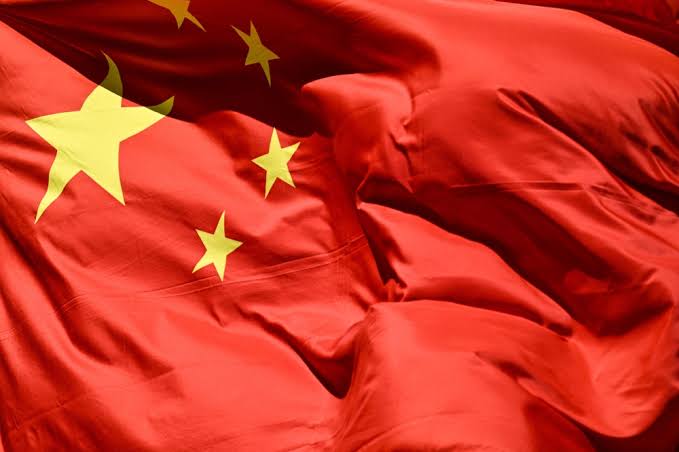
China has rejected reports that Chinese entities supplied Iran with satellite imagery of a Jordanian military base housing US troops before and after an Iranian missile strike that killed three American soldiers.
The reports, published by the Wall Street Journal over the weekend, concerned Iranian missile strikes on July 17 against Muwaffaq Salti Air Base in Jordan.
The newspaper, citing unnamed American officials, did not identify the Chinese entities allegedly involved and did not suggest that Beijing was directly responsible for the reported transfer of information.
“We firmly oppose groundless suspicion and accusations without evidence,” Chinese Foreign Ministry spokesperson Guo Jiakun said at a regular news conference on Monday.
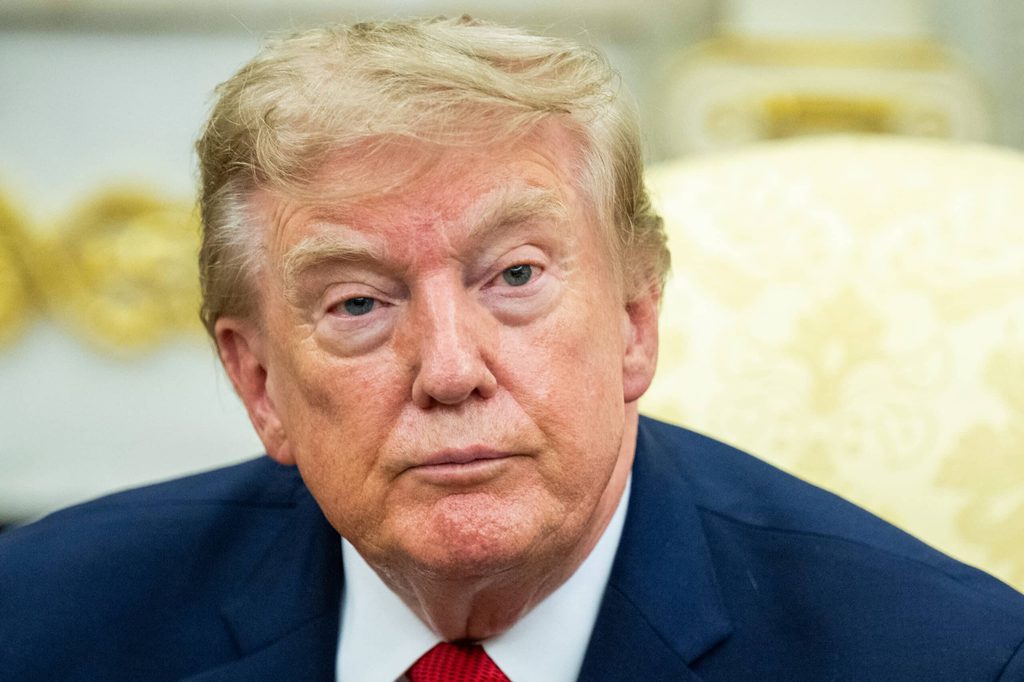
US President Donald Trump also sought to downplay the reports as tensions between Washington and Beijing remain under scrutiny ahead of Chinese President Xi Jinping’s planned visit to the White House on September 24.
“When they say that China spies on us, I say you’re right, and we spy on them too,” Trump told reporters aboard Air Force One on Sunday.
“That’s what we do. They basically do what we do,” he added.
According to the Wall Street Journal, US officials had asked Chinese officials to provide evidence concerning the alleged transfer of satellite imagery. Beijing reportedly declined to acknowledge that Chinese companies had provided Tehran with imagery.
The allegations come amid heightened US scrutiny of China’s relationship with Iran. Trump has previously warned Beijing against selling weapons to Tehran, while Washington in May sanctioned three China-based satellite companies over their alleged role in supporting Iran’s military operations.
China remains a major economic partner of Iran, including through its purchases of Iranian oil, and has also provided diplomatic backing to Tehran.
Despite the latest dispute, Trump struck a measured tone when discussing Xi, saying on Sunday that the Chinese leader “has behaved reasonably well, and we behave reasonably well.”
Asked whether he would allow Chinese-made cars to be sold in the United States, Trump said he had previously kept them out, arguing that tariffs had prevented their entry into the American market.
Author