

The World Bank Group plans to mobilise up to $5.79bn in private financing for Nigeria in fiscal year 2026 to support investment in telecommunications, agriculture, small businesses and other critical sectors.
The initiative is expected to expand broadband access, improve agricultural productivity, increase credit availability for businesses and support the creation of approximately 850,000 jobs.
The plans were outlined in a report published on the institution’s website on Sunday, titled Unlocking $5.79bn in Private Financing: The World Bank Group Is Leading the Charge for Private Capital Mobilisation in Nigeria.
“In fiscal year 2026, the World Bank Group is helping mobilise up to $5.79bn in private financing to address these barriers,” the report stated.
The financing strategy combines policy reforms, commercial investments and risk-sharing arrangements involving the World Bank, International Finance Corporation (IFC) and Multilateral Investment Guarantee Agency (MIGA).
The institution linked the investment drive to economic reforms introduced in Nigeria since mid-2023, particularly changes to foreign exchange management, fuel subsidies and public finances.
It said the reforms, supported partly through its RESET and NAIJA development policy financing programmes, were helping improve conditions for private investment.
“Further reforms aim to deepen capital markets, expand digital trade, enable greater private participation in electricity, and improve competitiveness,” the report added.
Broadband Expansion to Reach 58 Million More Nigerians
A major component of the initiative is the Building Resilient Digital Infrastructure for Growth project, which is expected to attract at least $156m in private equity during its first investor selection round.
Subsequent financing rounds could unlock up to $1.1bn by 2030 to develop a nationwide fibre-optic network.
The project aims to extend broadband access to an additional 58 million Nigerians, increasing the number of people covered from 92 million in 2025 to 150 million by 2030.
It also targets connectivity for 38,800 public schools, 16,900 health facilities and 3,400 local government offices.
Agriculture Project Targets One Million Farmers
In agriculture, the World Bank Group plans to mobilise $242m through the Agricultural Value Chains for Growth project, targeting one million smallholder farmers.
The funding comprises $220m expected from agribusiness firms and $22m from certified seed producers.
The initiative is designed to strengthen agricultural value chains and improve farmers’ access to essential inputs, supporting productivity across the sector.
MSME Financing Could Support 850,000 Jobs
The Fostering Inclusive Finance for MSMEs in Nigeria programme is expected to attract nearly $1.89bn in private financing and support more than 250,000 enterprises.
Backed by a $500m financing package from the World Bank’s lending institutions, the programme could generate approximately 850,000 direct and indirect jobs.
About 30 per cent of the financing is targeted at women-led businesses, reflecting the programme’s focus on expanding access to finance for underserved enterprises.
Dangote, Indorama and IHS Feature in Investment Drive
The report also highlighted investments facilitated by the IFC in major Nigerian businesses.
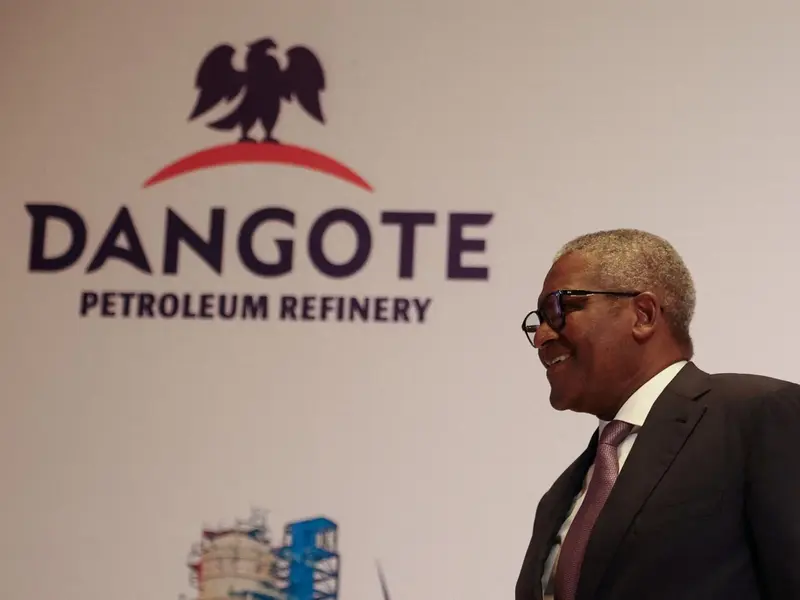
The institution helped mobilise $1.02bn for Dangote Industries Limited and $282.5m for Indorama Fertiliser to expand domestic fertiliser production.
Together, the projects have an annual production capacity of 6.8 million metric tonnes and are expected to improve access to agricultural inputs for more than 10 million farmers.
In telecommunications, the IFC supported a $1.2bn bond issuance by IHS Towers, helping attract more than $1.1bn from private investors for infrastructure development.
The World Bank Group said the projects and accompanying reforms were intended to attract greater private-sector participation in Nigeria’s economic development.
“Together, these reforms, platforms, guarantees, and investments are helping mobilise up to $5.79bn in private financing in fiscal year 2026,” the report stated.
The institution added that the ultimate impact would depend on improvements in infrastructure, business financing, agricultural productivity and employment opportunities.
Follow us on:
Author