


Global economic growth, artificial intelligence and the future of employment are taking centre stage as finance ministers, central bank governors, business leaders and development experts gather in Bangkok, Thailand, for the 2026 Annual Meetings of the International Monetary Fund (IMF) and the World Bank Group.
The meetings, scheduled for October 12 to 18, are examining the challenges confronting the global economy and potential pathways towards sustainable and inclusive growth.
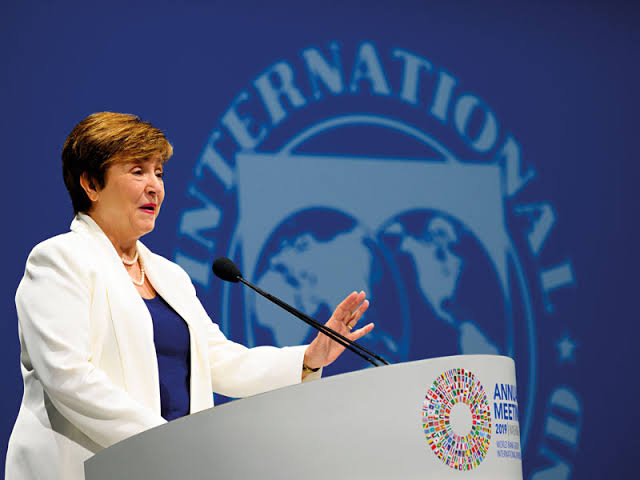
IMF Managing Director Kristalina Georgieva has highlighted the role of investment in artificial intelligence in sustaining global economic growth at around 3 per cent, despite pressures from energy supply disruptions.
However, the growing adoption of AI has raised questions about its implications for employment, productivity, education and government revenue, particularly as economies adapt to rapid technological change.
AI and the Future of Work
The IMF estimates that artificial intelligence could affect approximately 40 per cent of jobs worldwide, highlighting the scale of the potential transformation facing labour markets.
While AI investment is creating opportunities for economic expansion, its effects on employment will depend on how businesses adopt the technology, how workers adapt and whether governments can prepare their populations for changing skills requirements.
For policymakers, a key challenge is to ensure that technological progress translates into broader economic opportunities rather than leaving workers and vulnerable communities behind.
World Bank President Ajay Banga has emphasised the importance of helping developing economies harness AI to improve productivity and public service delivery.
Applications in agriculture, healthcare and education could provide opportunities to address longstanding development challenges, particularly in countries with limited resources and gaps in essential services.
Singapore’s President, Tharman Shanmugaratnam, has also raised concerns that AI could widen the economic divide between advanced and developing economies. The potential reduction in entry-level jobs could create additional difficulties for young graduates seeking to enter the workforce.
Implications for Africa and Nigeria
The debate has particular significance for Africa, where a rapidly growing youth population presents both an opportunity for economic expansion and a major employment challenge.
For Nigeria, the task is to harness emerging technologies to improve public services, strengthen productivity and support sustainable job creation while ensuring that the benefits of digital transformation are widely shared.
Achieving these objectives will require investment in digital infrastructure, reliable electricity, education and workforce training. These foundations will be important in helping workers acquire relevant skills and enabling businesses to participate more effectively in the digital economy.
The transition also raises questions about how governments can prepare young people for changes in recruitment, workplace skills and the structure of entry-level employment.
For developing countries, access to technology alone may not be sufficient. Their ability to translate AI adoption into economic gains will also depend on infrastructure, skills development and the capacity of institutions to integrate new technologies into essential services.
Growth, Financial Stability and Development Financing
Beyond artificial intelligence, the annual meetings are addressing the global economic outlook, financial stability, poverty reduction, investment and development financing.
These discussions are particularly relevant to developing economies facing pressure to sustain growth, attract investment and improve living standards amid changing global economic conditions.
The meetings also provide a platform for governments and development partners to explore policies and partnerships that could strengthen economic resilience and expand access to financing for development priorities.
As deliberations continue in Bangkok, a central issue is how countries can convert technological innovation and global investment into productive employment, stronger economies and more inclusive prosperity.
For Nigeria and other developing economies, the outcome will depend in part on how effectively governments, businesses and educational institutions prepare workers and build the infrastructure needed to participate in an increasingly technology-driven global economy.
Follow us on:
Author