
INEC has finalised the field for the January 16, 2027 presidential election, confirming 18 candidates and their running mates. But the formal list has done little to resolve the opposition’s deeper problem: its biggest names are now spread across separate parties with separate tickets.
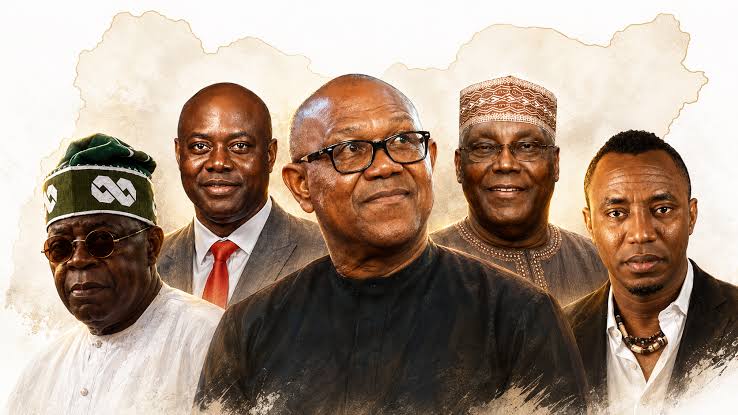
The confirmed field includes President Bola Tinubu of the APC, Atiku Abubakar of the ADC, Peter Obi of the NDC and Seyi Makinde of the APM. The nomination process has produced candidates, but not a common opposition strategy.
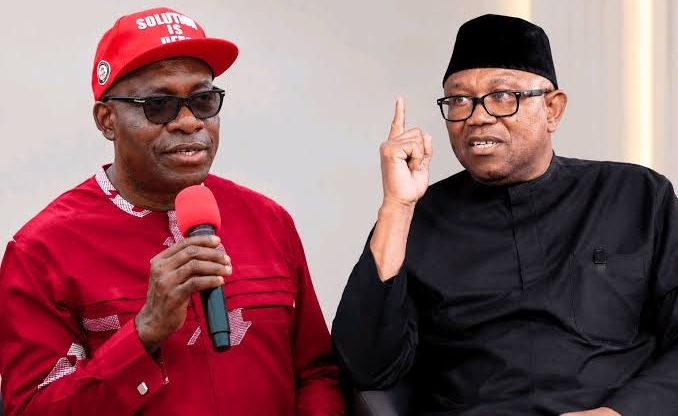
The most notable recent development is renewed engagement between Obi and Makinde, who have appeared together publicly in recent days, including at the inauguration of Makinde’s APM campaign office. Both have played down talk of a formal alliance, describing their contact as consultations around national political interests.
Their engagement matters because it pairs two different political assets. Obi retains a strong national profile from his 2023 performance, while Makinde’s influence as a sitting governor extends beyond his party structure. But a meeting is not an alliance, and consultations do not automatically produce a joint ticket.
The published list has also raised the cost of any future adjustment. With Atiku, Obi and Makinde all formally recognised as candidates, any realignment would now require one or more of them to reverse positions already presented to voters — and to manage party members, donors, campaign officials and regional supporters who have already committed.
Any workable arrangement would require agreement on the candidate, the platform, the campaign structure and the distribution of influence after the election. Each candidate has reason to believe his own platform can attract a significant share of the vote.
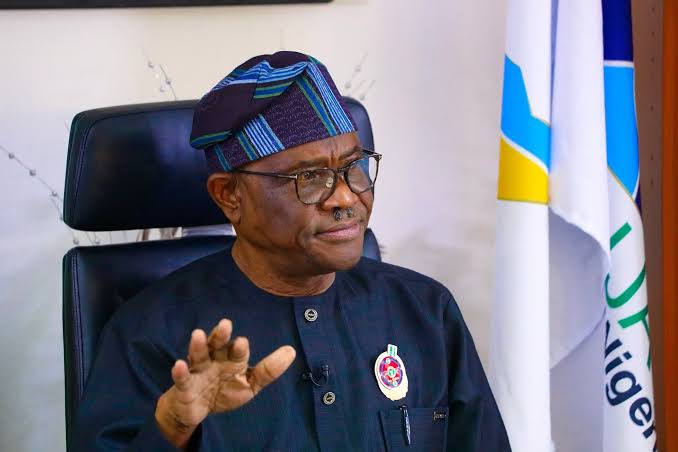
The picture is further complicated by FCT Minister Nyesom Wike, who has restated his support for Tinubu’s re-election while insisting the PDP can still contest governorship, National Assembly and state assembly seats. Wike has rejected claims that his “rainbow coalition” is an APC arrangement, describing it instead as a cross-party vehicle for mobilising support for Tinubu.
That position underlines how alliances in the 2027 contest are not following party boundaries. Nigerian voters have shown split-ticket behaviour before, and formal party structures will matter alongside personal networks, regional calculations and local alliances.
Three things have changed: the formal field is now clearer, the stakes for any realignment have risen, and political loyalties are growing more fluid across parties and levels of government.
The next phase will test whether cooperation can produce an actual electoral structure — coordinated campaign offices, voter mobilisation, fundraising and consistent messaging. Without that, cooperation remains symbolic.
The ballot is fixed. The opposition campaign is not yet built.
Author