

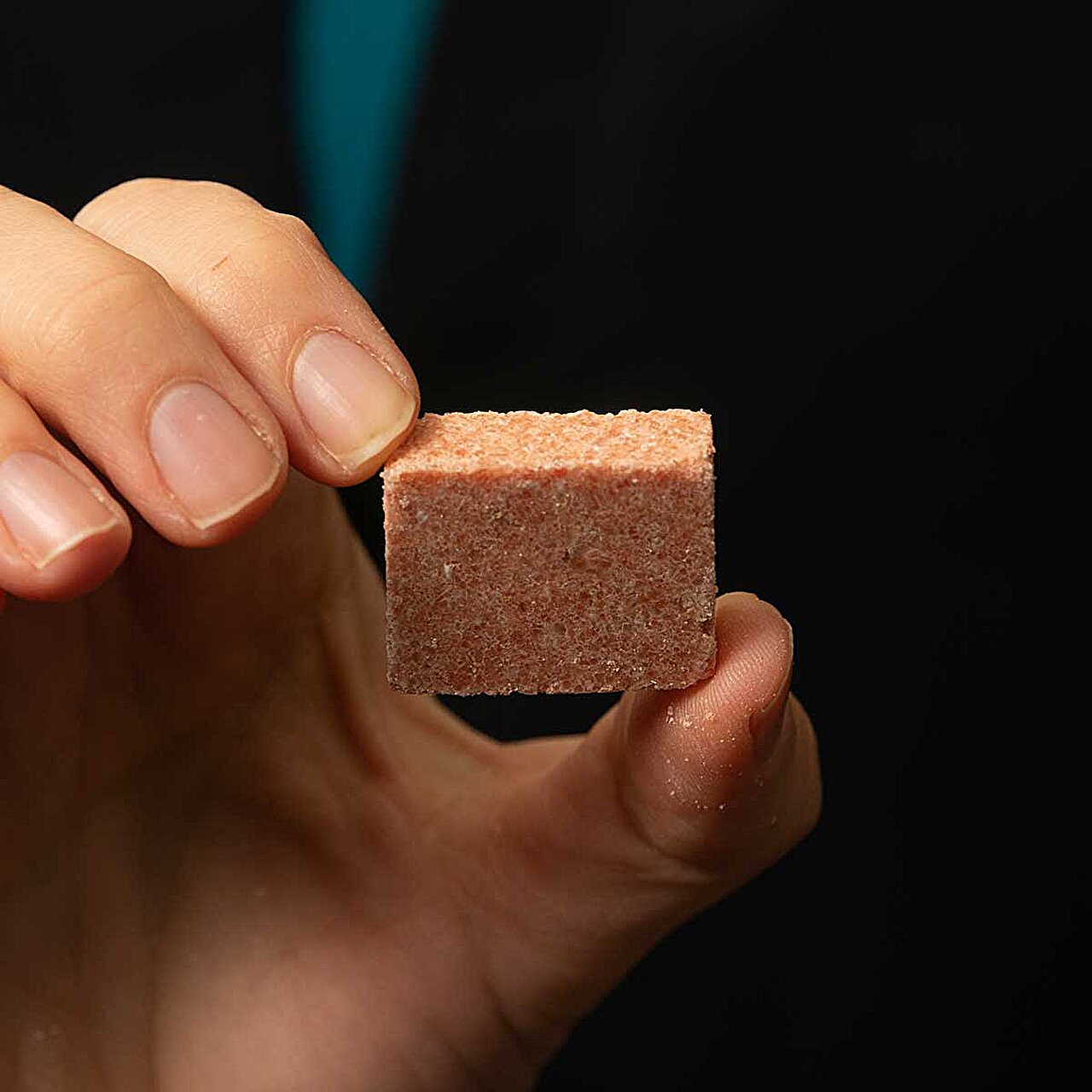
Nutrition and health experts are calling for Nigeria to make the fortification of seasoning cubes mandatory as concerns grow over widespread micronutrient deficiencies.
The proposal focuses on adding vitamin B9, also known as folic acid, and vitamin B12 to seasoning cubes or bouillon, which are consumed in households across the country.
Nigeria introduced voluntary standards for bouillon fortification in 2024, allowing manufacturers to add vitamin B9, vitamin B12, iron, zinc and iodine. Experts now argue that voluntary adoption may not provide the nationwide coverage needed to address persistent nutritional gaps.
A 2024 study published in the Annals of the New York Academy of Sciences found that more than 99 per cent of Nigerian households consume bouillon. By comparison, less than 20 per cent consume branded wheat flour, while less than one per cent consume branded maize flour nationally.
The researchers said the widespread use of seasoning cubes could make them an effective vehicle for reaching households that may not benefit equally from existing food-fortification programmes.
Nigeria already fortifies foods such as flour and refined oil, but consumption differs across income groups and regions. The 2021 National Guidelines for the Prevention and Control of Micronutrient Deficiencies identified bouillon cubes as a potential vehicle for voluntary micronutrient fortification and called for further research into adding nutrients such as vitamin B9 and iron.
Three years later, voluntary standards were introduced.
A separate report by BioAnalyst estimated that more than 100 million bouillon cubes are sold daily in Nigeria, citing studies on their widespread consumption across West Africa.
Olusola Malomo, assistant director of dietetics at the Lagos State Health Service Commission, said seasoning cubes could help reach people across income groups “without requiring them to change their eating habits.”
“They provide an opportunity to reach women before pregnancy, when adequate folate is most important for preventing neural tube defects,” Mr Malomo added.
Maternal and child health nutritionist Odunayo Babatunde estimated that about 95 per cent of Nigerians use seasoning cubes, including poorer households that may have less access to other nutrient-rich foods.
She said vitamins B9 and B12 could be added to dry seasoning cubes without changing their colour, taste or shelf life.
“If it is made mandatory, it guarantees that even the poorest women can easily access vitamin B9/12 by just having regular meals at home,” she added.
Persistent Nutritional Gaps
Researchers found that existing food-fortification programmes may not be enough to close Nigeria’s micronutrient gaps.
A Nigeria-specific study found that vitamin B12 inadequacy affected 42 per cent of women of reproductive age and 39 per cent of children aged six to 59 months, even after accounting for existing fortification programmes.
Among the poorest socioeconomic group, vitamin B12 inadequacy was estimated at 75 per cent among women and 68 per cent among children. Rural populations were also more affected.
Researchers concluded that fortifying bouillon could substantially reduce deficiencies in several micronutrients while improving nutritional equity between poorer and wealthier households and between rural and urban populations.
Vitamin B9 has also attracted attention because of its importance during early pregnancy.
Neural tube defects, including spina bifida and anencephaly, develop during the first weeks of pregnancy, often before a woman knows she is pregnant. Adequate vitamin B9 intake before conception and during early pregnancy can significantly reduce the risk.
Mrs Babatunde said vitamin B9 is particularly important during the first 28 days of pregnancy because of its role in cell division and neural tube development.
“Currently, over 80 per cent of pregnant women and more than 90 per cent of women of childbearing age in Nigeria are vitamin B9 deficient,” she said.
Concerned parties have estimated that Nigeria could record nearly 11,000 babies with neural tube defects annually, based on an estimated rate of 14.2 cases per 10,000 live births and about 7.5 million births a year.
The Case for Vitamin B12
Vitamin B12 is also receiving attention because of its role in blood formation, neurological function and vitamin B9 metabolism.
Mrs Babatunde said vitamin B12 is often overlooked despite its importance to the body’s use of vitamin B9. She argued that addressing vitamin B9 without considering B12 could leave an important nutritional gap.
The Nigeria-specific modelling estimated that fortifying bouillon with 1.2 microgrammes of vitamin B12 per gram could reduce national vitamin B12 inadequacy from 42 per cent to about one per cent among women of reproductive age and children.
Among women in the poorest socioeconomic group, the model projected a 71-percentage-point reduction. The estimated reduction among children in the same group was 66 percentage points.
The researchers, however, noted that these were modelled results and not evidence from a nationwide Nigerian fortification programme. They said fortification levels would need to be carefully designed to maximise nutritional benefits while limiting the risk of excessive intake.
Clinical evidence from the Condiment Micronutrient Innovation Trial, conducted in northern Ghana, has also strengthened the case for fortified bouillon.
The double-masked, randomised controlled trial involved more than 2,000 participants, including children, women of reproductive age and lactating women.
Participants who received bouillon fortified with multiple micronutrients, including vitamins B9 and B12, recorded improvements in blood folate and vitamin B12 status.
The trial showed that fortified bouillon can deliver nutrients through regular household consumption, although it does not prove that the same results would automatically occur across Nigeria.
NAFDAC Examines Feasibility
The National Agency for Food and Drug Administration and Control is examining the feasibility of using bouillon as an additional vehicle for food fortification.
NAFDAC Director-General Mojisola Adeyeye recently said the agency was working with the Global Alliance for Improved Nutrition to assess the potential of using seasoning cubes to deliver essential micronutrients.
She said the initiative forms part of broader efforts to strengthen large-scale food fortification, alongside the digitisation of monitoring and reporting systems to improve compliance and traceability.
Nigeria’s 2021 national micronutrient guidelines identify NAFDAC, the Standards Organisation of Nigeria and the Federal Competition and Consumer Protection Commission as key regulators in the country’s food-fortification programme.
The guidelines also call for regular monitoring of fortified products to ensure compliance.
Sodium Concerns Remain
Despite the potential benefits, experts have warned that mandatory fortification must not encourage Nigerians to consume more seasoning cubes.
Seasoning cubes contribute to sodium intake, and high sodium consumption is associated with raised blood pressure and an increased risk of cardiovascular diseases, stroke and coronary heart disease.
Mrs Babatunde said any mandatory fortification policy should therefore be accompanied by efforts to reduce sodium consumption.
The goal, she said, should be to improve the nutritional value of the quantity of seasoning cubes Nigerians already consume, rather than encourage greater consumption.
The debate now centres on whether Nigeria can use one of its most common household food products to address widespread micronutrient deficiencies without creating new health concerns.
Author