
A nationwide survey shows how global supply disruptions and longstanding domestic bottlenecks combined to drive up the cost of Liquefied Petroleum Gas, leaving consumers and businesses across Nigeria under severe pressure.
In June, Lagos fashion designer Lolade Fayemi took her 6kg gas cylinder to a refill station in Baruwa, Iyana-Ipaja, planning to buy 2kg of cooking gas. To her dismay, she discovered the price had jumped from about N1,700 per kilogramme to N2,500 within a week. She could only afford, and eventually paid for, 1 kilogramme. “The price is ridiculous. You still spend money on transportation to the gas station, and the gas may not even serve you for a week,” she said in July.
Her experience mirrors that of millions of Nigerians after LPG, popularly known as cooking gas, spiked following supply disruptions triggered by the war involving Iran, the United States and Israel. Energy experts and players across the supply chain say the increase was compounded by longstanding domestic challenges, including inadequate infrastructure, inconsistent government policies and Nigeria’s dependence on imported LPG. A survey in July showed prices have begun to ease after peaking in late June, though consumers say the relief has been modest, with cooking gas still selling well above levels recorded just two months ago.
A survey across Nigeria’s six geopolitical zones found LPG prices rose from about N1,100 to N1,350 per kilogramme in April and May to between N1,700 and N2,200 in late June, with some outlets charging as much as N2,500. By the first week of July, prices had eased to between N1,250 and N1,800 per kilogramme, but many households continue to buy smaller quantities, postpone refills or return to firewood and charcoal.
Lagos: Scarcity Creates a Sellers’ Market
Retailers in Lagos attributed the price spike to shortages at coastal depots and uncertainty in international energy markets during the recent Middle East tensions. Lateef Badmus, manager of Al-Moruff Gas Plant along LASU-Iba Road, said retail prices largely reflected wholesale costs. “When there is scarcity and demand is high, prices increase because consumers have little choice,” he said.
Damilola Adeyoriju, administrator at Casco Gas, described the period as a “man-know-man” market, where access to supplies depended largely on personal relationships. “The few marketers that had products sold mainly to people they knew. Getting even one truck became difficult,” she said.
Prices have since begun to moderate across Lagos. At Al-Moruff Gas in Kosofe, cooking gas sold for about N1,450 per kilogramme, down from around N2,000 at the peak of the supply crisis. Starco Filling Station in Orile reduced its price to N1,800 from over N2,000, while NIPCO outlets in Jakande Estate sold between N1,500 and N1,550 per kilogramme after previously charging as much as N1,700.
Enomfon Okure, an oncology nurse, said she paid N2,100 per kilogramme in June compared to about N1,700 in May. “The hike affects everything because cooking gas is our only reliable means of cooking. We don’t have regular electricity, so we simply adjust and pay,” she said. Another resident, Ajura Oseme, said the increase forced her to temporarily return to charcoal before prices started easing.
Ondo: Households Return to Firewood
Prices followed a similar pattern in Akure, the Ondo State capital, rising from about N1,300 per kilogramme in April to around N1,700 in late June before easing to about N1,400 in early July. The increase forced many residents to reduce usage and embrace traditional cooking methods.
Jo Uanzekin, a resident of Oda, said although he took his 12.5kg cylinder for a refill, he could afford only 5kg. “I am managing that one for now while supporting it with firewood from my farm,” he said. Joshua Nambur, who buys cooking gas at a NIPCO station in Akure, said he now purchases only one to one-and-a-half kilograms at a time.
Marketers also reported declining patronage. Shuaibu Aminu, operations manager at Shaffa Filling Station, said the station sold LPG for about N1,350 per kilogramme in May before prices rose to N1,600 and later eased to around N1,400. Rotimi Adamolekun, manager of SCAAB Gas, said the recent drop in wholesale prices left many marketers selling at a loss. “My last purchase was N28 million for 20 tonnes. Now the same quantity sells for N22 million, so we have to sell at a loss,” he said.
In many rural communities of Ondo State, households reverted to firewood and charcoal, while some urban residents with relatively stable electricity increasingly relied on electric cookers.
Oyo and Osun: Cautious Optimism
A similar trend emerged in Oyo and Osun states, where cooking gas prices fell after peaking at N1,700 and N2,000 per kilogramme during the supply crisis. Stations in Ibadan and Osogbo now sell LPG for between N1,250 and N1,420 per kilogramme.
At Petrocam Gas Station in Ibadan, manager Bello Olaniyi attributed the decline to lower depot prices. “Many customers could not afford to refill their cylinders when prices rose. They simply bought smaller quantities,” he said. John Israel, an attendant at an MRS Filling Station, linked the volatility to supply disruptions and Nigeria’s continued dependence on imported LPG.
In Osogbo, Maruf Adeniyi, manager of an A.A. Rano outlet, said Nigeria remained vulnerable to global price movements because domestic supply was still inadequate. “We’re currently selling at about N1,350 per kilogramme, which is much lower than last week. But unless domestic production improves, price fluctuations will continue,” he said.
Victoria Okechi, who runs a food business in Osogbo, said the increase forced her to raise food prices to stay afloat. Though she welcomed the recent reduction, she warned that another spike would leave many small businesses with little choice but to raise prices again. Across the South-west, consumers and marketers expressed cautious optimism that prices would continue to fall, though many warned that without stronger domestic LPG production and a more resilient supply chain, households would remain vulnerable to future global supply shocks.
North-Central: Limited Relief
Cooking gas prices have begun to moderate across the North-central region after weeks of sharp increases, but households, retailers and small businesses say the decline has brought only limited relief. A survey in Abuja, Benue, Plateau and Niger states found LPG prices, which climbed to N2,000 per kilogramme at the height of the crisis, have eased to about N1,450 to N1,600 in many outlets. Consumers continue to buy smaller quantities or supplement cooking with charcoal and firewood.
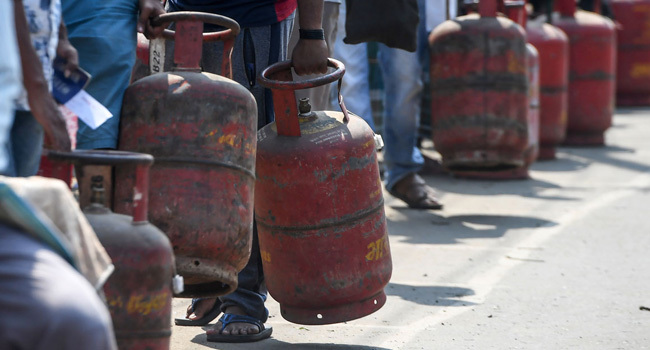
In Abuja, Mustapha Abubakar, manager of AA Rano Gas along the Karshi Bypass, linked the increase to disruptions in global energy markets following tensions involving Iran. He said prices at the outlet rose to N1,750 per kilogramme before falling to N1,450 as supply improved. Independent retailer Luka Samuel said higher procurement and transportation costs squeezed marketers’ margins, forcing many to raise prices, noting that customers who previously refilled 6kg or 12.5kg cylinders now buy only two or three kilograms at a time.
The impact has also been severe for small businesses. Helen Ikwuoche, who runs a restaurant within the Nigerian Police Force Headquarters in Abuja, said the cost of refilling her 12.5kg cylinder increased from about N12,000 to more than N22,000 during the peak of the crisis, forcing her to begin using charcoal to prepare some meals. Market checks showed LPG selling for about N1,500 per kilogramme at RainOil, N1,550 at NIPCO and N1,616 at LUBGAS.
In Benue State, many households have also rationed gas consumption. A Makurdi resident, Enoch Nyita, said the N6,000 with which he filled his 5kg cylinder when gas sold for about N1,250 per kilogramme now covers less than 3kg after prices rose to around N1,950. His family now relies on charcoal for meals that require longer cooking duration.
In Plateau State, retailers blamed the increase on the high cost of transporting LPG from coastal depots to the region. At GDS Gas Plant in Jos, off-taker Dalla George said customer traffic dropped significantly as many buyers reduced purchases from about 5kg to just 2kg. Small business owner Albarka Danladi said soaring cooking gas prices forced him to shut down the food section of his business.
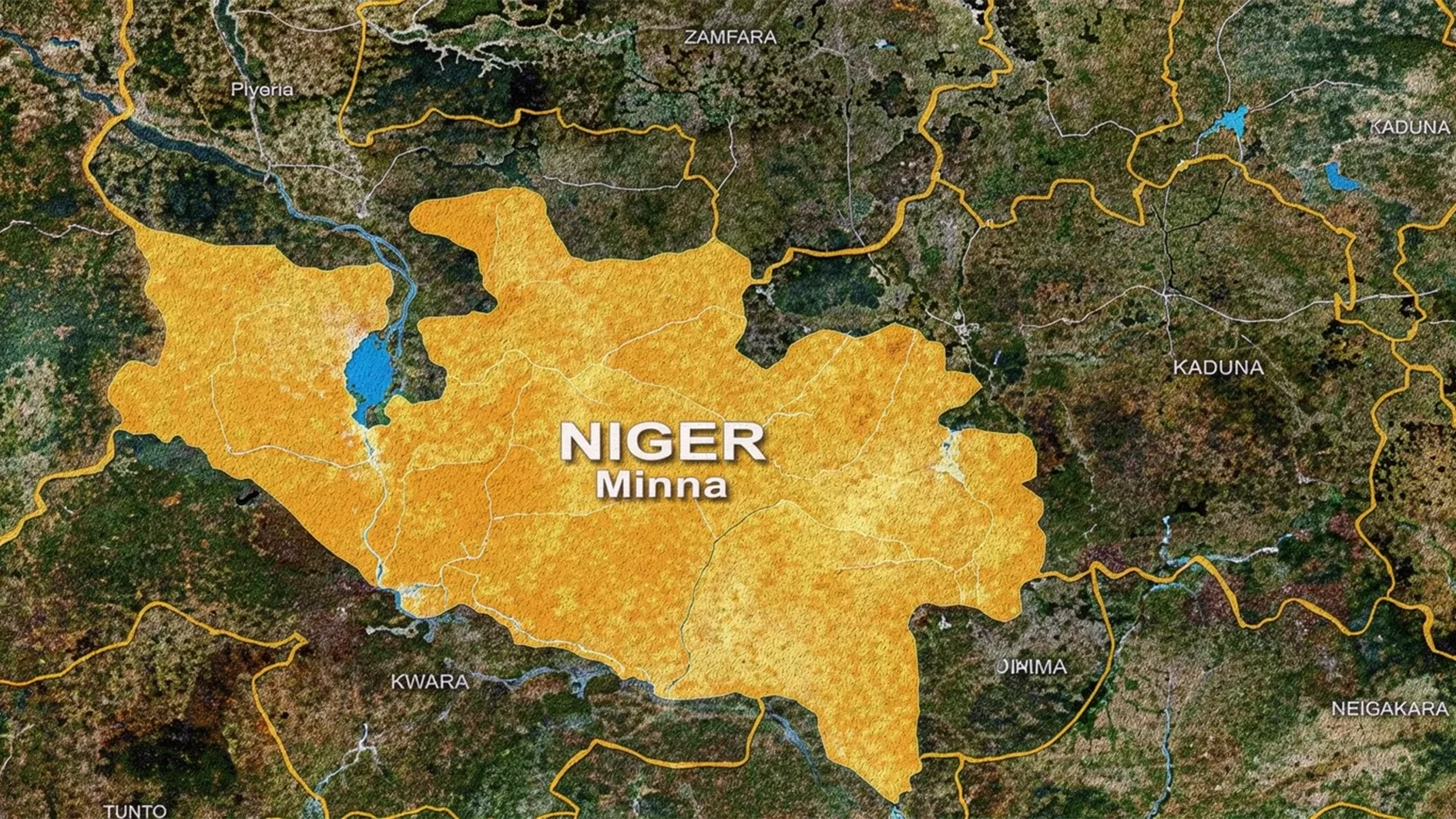
In Niger State, prices have also moderated, with AA Rano reducing its price from N1,750 to N1,450 per kilogramme, while El-Shabab Gas sold at about N1,500 and Admar Gas at N1,600. Consumers welcomed the reductions but said prices remained far above what many households could comfortably afford.
South-East: Consumers Still Squeezed
Across the South-east, cooking gas remains significantly more expensive than it was just a few months ago despite recent price reductions in some parts of the country. In Enugu State, LPG currently sells for between N1,650 and N1,700 per kilogramme.
Uchenna Okegbe, a point-of-sale operator, said the high cost of cooking gas continues to strain household finances. “What we suffer now is that after refilling our cylinders, we are unable to afford food items,” he said, adding that the increase has worsened economic hardship because LPG remains the primary cooking fuel for many urban households. Anthony Ogbu, a cooking gas depot owner, attributed the high prices to inadequate product supply across the country.
Surveys in other parts of the South-east showed LPG selling for between N1,600 and N1,700 per kilogramme in Abia and Anambra states, while prices ranged from N1,700 to N2,200 in Imo and Ebonyi states.
North-West and North-East: Households Cut Consumption
Cooking gas prices remain high across Kano, Katsina and Gombe states despite recent easing in some markets, forcing households to reduce consumption while retailers cite higher logistics costs, supply disruptions and global market volatility.
In Kano, a survey found LPG sold for between N1,400 and N1,750 per kilogramme after peaking at N2,000 during the supply crisis. Ayuba Isah, an attendant at Isa Gulu Gas in Gwale Local Government Area, said prices remain unpredictable. “Prices can increase at any moment. Sometimes customers are still in the queue when we receive instructions to adjust prices,” he said.
Bature Muhammad said refilling his 6kg cylinder rose from about N7,500 in June to more than N10,000 within weeks. Civil servant Isma’il Mu’azu said he now struggles to refill his 12kg cylinder because his salary has remained unchanged despite rising living costs. “Once I pay for food, water and electricity, nothing is left,” he said, adding that although his family occasionally uses charcoal, the savings are minimal.
Musadiq Muhammad, manager of AA Rano Gas on Zaria Road, attributed the spike to uncertainty in international energy markets during the recent Middle East conflict, saying marketers became reluctant to buy large volumes because of volatile wholesale prices, contributing to temporary shortages. AA Rano now sells LPG for about N1,400 per kilogramme after prices eased.
In Katsina, cooking gas remained readily available, although prices varied between N1,600 and N1,950 per kilogramme. Retailers blamed transportation costs, diesel prices, distance from coastal depots and other supply-chain expenses. The manager of Ultimate Gas, identified simply as Muhammed, said retailers passed on prices set by suppliers. “Gas comes from Port Harcourt or Lagos, and transporting it over that distance consumes a lot of diesel,” he said.
At Butane Energy, manager Abubakar Abdullahi said improved supply had recently pushed prices down slightly, while Shafa Energy reported that customers increasingly buy smaller quantities instead of filling entire cylinders. A food vendor in Katsina said he now buys gas from nearby retailers despite the higher price because transport costs make travelling to distant outlets uneconomical, and has reduced portion sizes rather than raise menu prices.
In Gombe State, retailers said higher depot prices, transportation costs and supply disruptions drove up prices, while consumers increasingly delayed refilling cylinders or bought only small quantities. Amina Muhammad, a mother of three, said her family now carefully considers when to refill its cylinder because food and other household expenses have also increased. Although there were no widespread shortages, marketers reported poor patronage as consumers adjusted their spending.
South-South: Even Gas-Producing Communities Feel the Pain
Despite being one of Nigeria’s largest gas-producing states, many households in Akwa Ibom are buying less cooking gas, changing their diets and returning to firewood as LPG prices remain elevated. When Christiana John, a mother of six in Uquo, Esit Eket Local Government Area, visited a gas outlet with her 4kg cylinder at the peak of the crisis, she could afford only 1kg. “I used to fill the entire cylinder. Now I can only buy one kilogramme,” she said. Her family now cooks only once a day, avoids meals that require long cooking times and often eats soup without reheating it.
Her experience highlights a striking paradox. According to the latest Nigeria Extractive Industries Transparency Initiative report, Akwa Ibom accounted for about 28 per cent of Nigeria’s gas production in 2023, yet many residents say cooking gas has become increasingly unaffordable.
A survey across Esit Eket, Eket, Ikot Ekpene, Abak, Uyo and Ibesikpo Asutan found retail prices ranging from N1,500 to N1,900 per kilogramme, although prices exceeded N2,000 during the June supply disruption. In Uquo, retailer Enombang Derek said customers have not stopped buying gas but now purchase much smaller quantities. “People who used to buy 10kg now buy about seven. Those who bought four kilogrammes now buy one-and-a-half,” he said.
In nearby Eket, long queues formed at Hydrogas, where LPG sold for N1,550 per kilogramme. Resident Kingsley Umoette said cooking gas now consumes nearly one-third of his income, forcing him to cook less and eat more meals outside the home. Hydrogas supervisor Nelson Williams said households continue to buy LPG despite widespread complaints because there are few alternatives. “We have gone past the age of abandoning gas. People complain every day, but they still buy because there is no alternative,” he said.
In Ikot Ekpene, retired teacher Juliana Umoh said she now spends about N31,000 each month on cooking gas from her N107,000 pension. Manager of Basumoh Gas Plant, Umoh Edet, said customers increasingly buy smaller quantities as incomes fail to keep pace with rising prices. Across Abak and Ibesikpo Asutan, retailers sold LPG for between N1,750 and N1,900 per kilogramme, citing older stock purchased at higher wholesale prices and transportation costs.
The largest crowds were recorded in Uyo, where AA Rano sold cooking gas for N1,500 per kilogramme, with more than 100 customers observed waiting to refill cylinders, some for more than four hours. Station manager Usman Yahaya said prices remain about 35 per cent higher than before the June spike. “Customers now buy in anger because they are struggling to survive,” he said, attributing AA Rano’s relatively lower prices to the company’s integrated supply chain, which allows it to source LPG directly and operate on slimmer margins.
Elsewhere in the Niger Delta, prices also remain elevated despite recent declines. In Port Harcourt, most outlets sell LPG at about N1,800 per kilogramme. Mercy Francis said she could afford only 4kg instead of the 6kg she previously bought. “I was so hurt spending that amount of money. These four kilograms won’t even last me one month,” she said. In Yenagoa, prices ranged from N1,350 to N1,450 per kilogramme across major stations, while outlets in Asaba sold LPG for between N1,800 and N2,000 per kilogramme.
Why Cooking Gas Prices Keep Rising
Industry operators say Nigeria’s recurring cooking gas price shocks stem from a combination of global market disruptions and longstanding domestic structural weaknesses. Segun Adigun, Executive Director of Thruvision Gas Plant in Abuja, said policy inconsistencies, inadequate infrastructure and the country’s dependence on imported LPG continue to expose consumers to price volatility.
He explained that for many years, producers exported most of Nigeria’s LPG because contracts signed before domestic demand expanded did not prioritise local supply. Although the administration of former President Muhammadu Buhari renegotiated some agreements to reserve a portion of production for the domestic market, he argued subsequent policies made local sales less attractive, encouraging producers to export again.
According to him, international developments have further complicated the situation. The Russia-Ukraine war increased European demand for LPG, while the recent military confrontation involving Iran, Israel and the United States disrupted global energy markets, pushing up prices and replacement costs for importers. “Nigerian producers naturally prioritise markets where they earn more, while local marketers face higher replacement costs, shipping delays and uncertainty,” he said.
Adigun said weak domestic infrastructure also continues to inflate costs. “Poor pipeline networks force marketers to transport LPG over long distances by road, increasing logistics costs and delaying deliveries,” he said, urging government to expand gas transportation infrastructure and implement consistent long-term energy policies to improve domestic supply, reduce transportation costs and stabilise prices.
Government Intervention Begins to Ease Pressure
Last month, the Federal Government announced emergency measures to address the sharp increase in cooking gas prices, after retail prices climbed to about N2,000 per kilogramme in Lagos and above N1,600 in parts of Abuja. The intervention followed emergency engagements with producers, marketers and other industry stakeholders aimed at improving domestic supply and calming the market.
According to the latest market intelligence report by the Nigerian Association of Liquefied Petroleum Gas Marketers, the measures have started yielding results. The association reported that Nigeria’s LPG market rebounded during the week ending 5 July as improved product availability reduced panic buying. Average depot prices fell by between 10 and 18 per cent from their mid-June peak, with ex-depot prices now averaging between N1,050 and N1,125 per kilogramme. Retail prices have also started declining, ranging from about N1,100 to N1,350 per kilogramme in Lagos to between N1,650 and N1,900 in Maiduguri.
However, the association said significant regional differences persist because of high transportation costs, multiple levies, foreign exchange exposure and inadequate inland storage infrastructure.
Industry data illustrates how sharply wholesale prices moved during the crisis. Before the escalation of the conflict involving Iran, a 20-metric-tonne truckload of LPG sold for about N16.5 million. During the height of the disruption, the price rose to approximately N27.5 million before falling to around N22 million following ceasefire negotiations. Major LPG plant operators in Abuja said heavy rainfall has also complicated road transportation across parts of the country, increasing delivery costs and slowing distribution. Some marketers alleged that higher profit margins in neighbouring countries encourage suppliers to divert products across Nigeria’s borders, tightening domestic supply.
Clean Cooking Transition Policy at Risk
The recent surge in cooking gas prices comes at a critical time for Nigeria. Successive governments have promoted LPG as a cleaner alternative to firewood and charcoal, positioning it as a key component of the country’s energy transition strategy and efforts to reduce greenhouse gas emissions and improve public health.
Yet the nationwide survey shows that rising prices are forcing many households back to traditional cooking fuels, particularly in low-income and rural communities. Across every geopolitical zone visited, families reported buying smaller quantities of gas, delaying refills, cooking fewer meals and increasingly relying on charcoal and firewood to manage household budgets. Restaurants, food vendors and other small businesses have also been forced to absorb higher operating costs, raise prices or reduce production.
Although recent government interventions have helped stabilise supplies and moderate prices, industry stakeholders warn that lasting stability will depend on expanding domestic LPG production, strengthening storage and distribution infrastructure, improving transportation networks and maintaining consistent market policies. Energy experts argue that until those structural challenges are addressed, Nigerian households will remain vulnerable to periodic cooking gas price shocks, driven as much by domestic bottlenecks as by events thousands of kilometres beyond the country’s borders.
Government Crackdown on Hoarding
As part of efforts to curb soaring cooking gas prices, the Minister of State for Petroleum Resources, Gas, Ekperikpe Ekpo, announced in late June that the Federal Government had directed regulatory and security agencies to crack down on the diversion, hoarding and illegal storage of LPG.
Describing the price surge as a national concern affecting households, small businesses and the economy, Ekpo said the government had directed the Nigerian Midstream and Downstream Petroleum Regulatory Authority to strengthen market oversight, establish a pricing framework and sanction operators engaging in market distortions. He also asked the regulator to work with the State Security Services, the Economic and Financial Crimes Commission and the Nigeria Police Force to eliminate artificial scarcity and ensure the free movement of LPG.
On supply, the minister said marketers had pledged to increase imports, while expected deliveries from new domestic facilities, including the Seplat gas plant, would boost availability. He added that the government was also pursuing a local blending initiative involving Nigeria LNG Limited, domestic producers and depot owners to improve supply, reduce import dependence and stabilise prices. “There is no cause for panic,” Ekpo said, adding that the government remained committed to ensuring adequate domestic gas supply and advancing the Decade of Gas Initiative.
Author