
Mexico Unbeaten in 10 World Cup Games at the Azteca Stadium
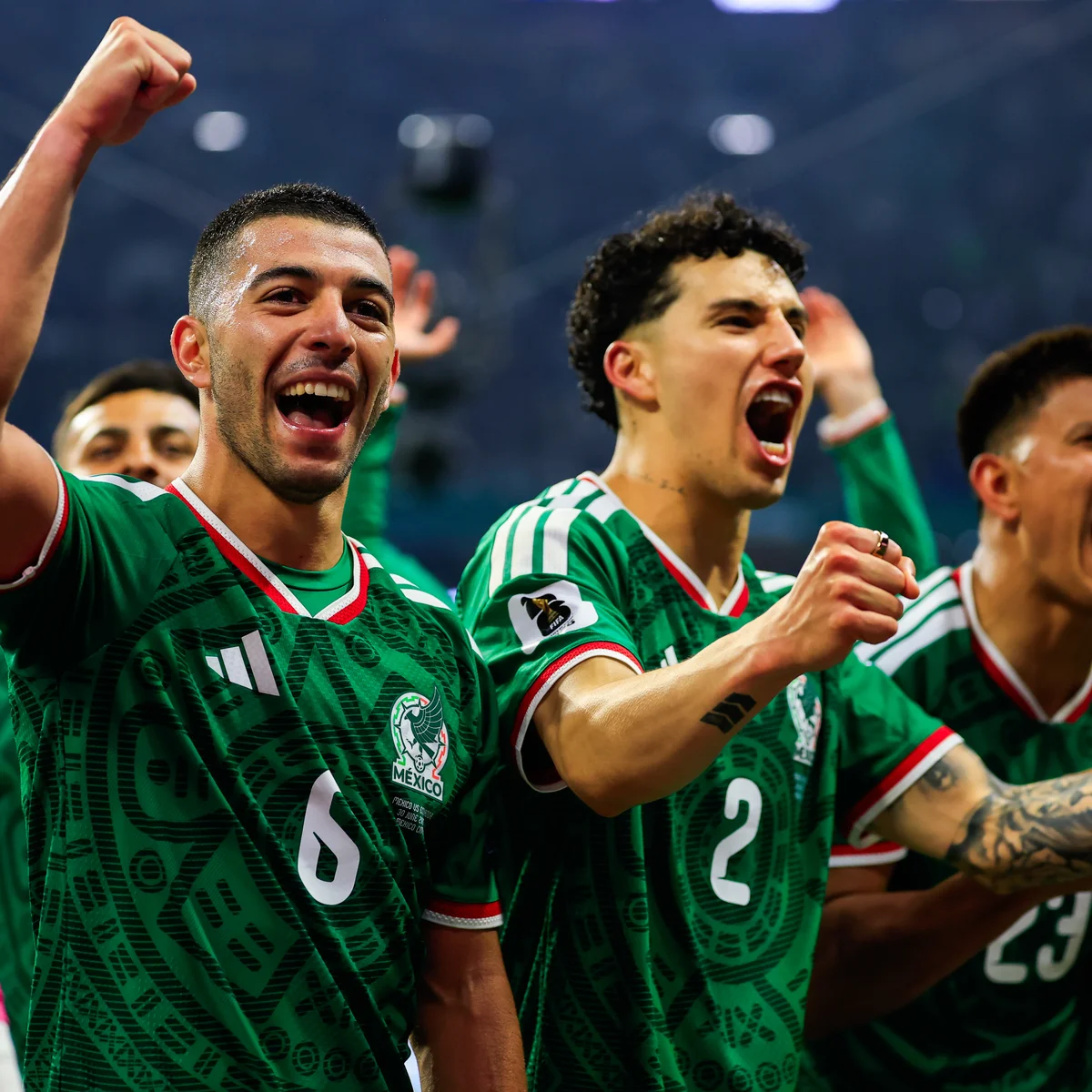
Forty years of World Cup knockout frustration came to an end for Mexico on Tuesday, as the co-hosts brushed aside Ecuador 2-0 in a commanding round-of-32 display at the iconic Azteca Stadium.
The match had already been delayed by an hour due to stormy weather sweeping over Mexico City, but once the action finally got underway, it was Mexico who set the tone from the first whistle. Roared on by a supercharged home crowd, El Tri surged forward in wave after wave of attacking pressure, leaving Ecuador struggling to find their footing from the opening minutes.
It took only 22 minutes for the breakthrough to arrive. Saudi-based forward Julian Quinones received possession from Roberto Alvarado, tore down the left flank, and drove into the penalty area before unleashing an unstoppable strike past Ecuador goalkeeper Hernan Galindez. The Azteca erupted, and Mexico had the deserved lead their early dominance had promised.
The home side did not let up. A first hydration break failed to slow their momentum, and within half an hour Mexico had doubled their advantage. Quinones turned provider this time, threading the ball through to Fulham striker Raul Jimenez, who fired a rocket into the top corner to make it 2-0 and further silence any hopes of an Ecuadorian response.
Ecuador had chances of their own before the deficit grew. In a rare foray forward, John Yeboah muscled his way into the penalty area and clipped the outside of the near post, while Jimenez himself had earlier wasted a glorious headed opportunity in just the seventh minute, and 17-year-old Gilberto Mora flashed an effort just wide as Mexico threatened from all angles.
Ecuador’s best moments came in fleeting bursts. Raul Rangel produced a fine save to deny another Yeboah effort as the visitors briefly found a foothold in the contest, but chances continued to flow far more freely at the other end of the pitch, underlining just how comprehensively Mexico were controlling the game.
Ecuador coach Sebastian Beccacece turned to his bench after the interval, making a number of changes in search of a way back into the match. But even as Mexico settled into a more measured, largely contented posture defensively, they continued to look the more threatening side going forward. Cesar Montes twice went close as El Tri probed for a third goal that never quite arrived, while substitute Kevin Rodriguez poked an effort just wide for Ecuador with a little over a quarter of an hour remaining — the closest the visitors came to salvaging something from the night.
Ecuador’s misery was compounded in stoppage time when Piero Hincapie was sent off after covering his mouth during a confrontation with an opposition player, an ill-tempered end to a night that had gone wrong for the South Americans almost from kickoff. Ecuador had finished third in their group, scoring just two goals across the group stage, and the struggles in front of goal followed them into the knockout round at the Azteca.
For Mexico, the significance of the win extends well beyond three points in a single fixture. The victory ends a 40-year wait for a World Cup knockout stage win, with the co-hosts having last triumphed at this stage of the tournament back in 1986, the previous occasion Mexico hosted the World Cup. Tuesday’s result also extends Mexico’s remarkable unbeaten run at the Azteca to 10 World Cup matches, a run stretching back across decades of tournament history at the stadium.
Mexico’s form throughout the group phase pointed to exactly this kind of result. They were one of only three teams — alongside France and Argentina — to win all three of their group matches, and they did so without conceding a single goal, a defensive record that has underpinned their run to the knockout stages.
There was also a notable individual milestone on the night. Gilberto Mora, just 17 years old, started the match for Mexico, becoming the second-youngest player ever to start a knockout match at the World Cup finals, behind only the legendary Pele, who achieved the feat back in 1958. His inclusion in the starting line-up reflects the depth of confidence Mexico’s coaching staff have placed in their emerging young talent even at this level of the tournament.
With the win secured, Mexico now turn their attention to the last 16, where they will face the winner of the tie between England and the Democratic Republic of Congo on Sunday. The co-hosts will be hoping the Azteca Stadium — a venue steeped in World Cup history, having hosted the final in both 1970 and 1986 — continues to work its magic as they push for a place in the quarter-finals.
Beyond that stage, however, Mexico’s home advantage will disappear entirely. From the quarter-finals onward, every remaining match of the World Cup will be played in the United States, meaning that whatever happens on Sunday, this may be Mexico’s last chance to call on the full force of the Azteca crowd in this tournament. For a team that has waited four decades for this kind of knockout-stage moment, the coming days carry weight far beyond a single fixture.
Author