
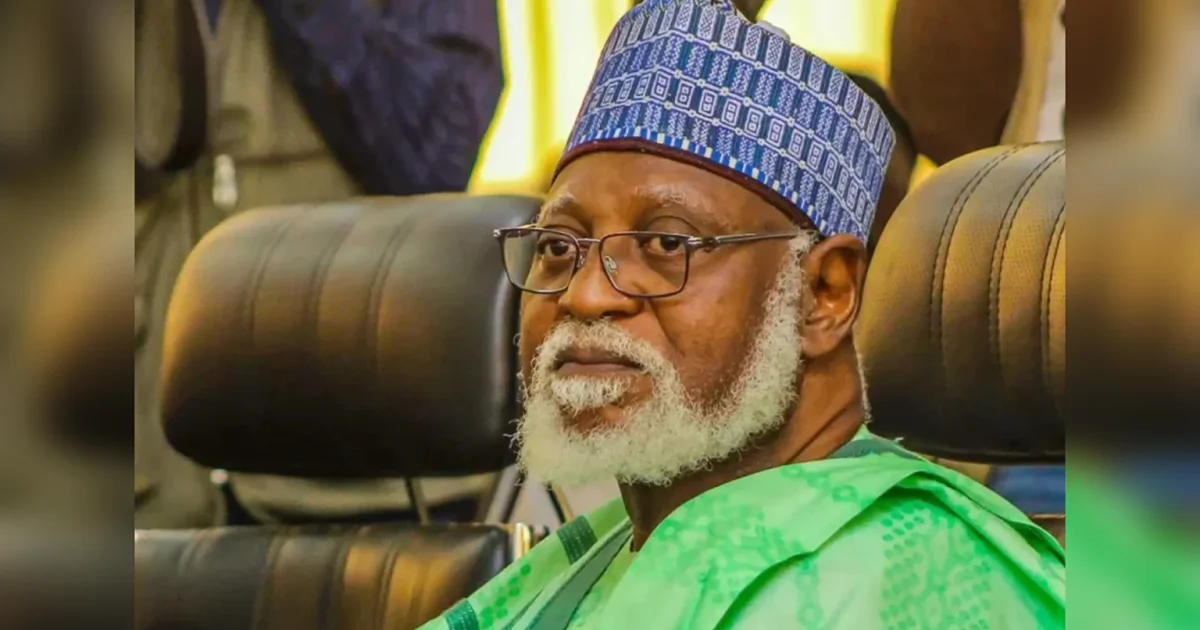
Former Nigerian Head of State Abdulsalami Abubakar has revealed that he advised former President Olusegun Obasanjo not to contest the 1999 presidential election after his release from prison.
According to Abdulsalami, he urged Obasanjo to focus on rebuilding his life and abandon any ambition of becoming President.
The revelation is contained in Chapter 22 of his 264-page autobiography, ‘Call of Duty’, unveiled during an event marking his 84th birthday at the Presidential Villa in Abuja.
Abdulsalami Discouraged Court Action Against Government
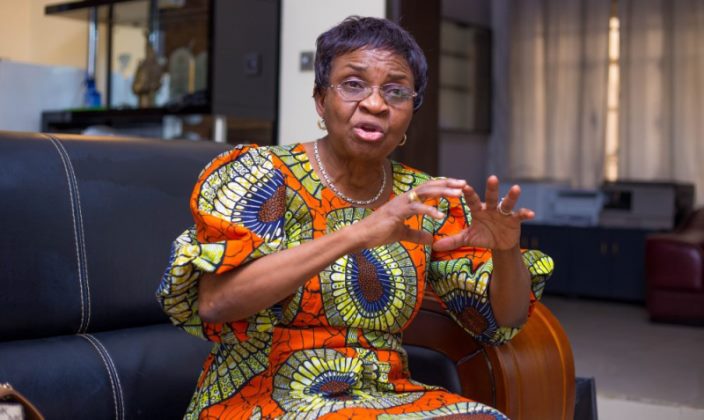
Abdulsalami disclosed that Obasanjo visited him in 1998 with two concerns after regaining his freedom: his intention to sue the Federal Government over his imprisonment and an invitation from the Peoples Democratic Party (PDP) to contest for the presidency.
According to him, he advised Obasanjo against pursuing legal action, citing uncertainties surrounding the judicial process.
He wrote:
“I was forthright with him. One, I advised him that he should not take the government to court because it might not augur well.
“For one, he would not know how long it would take the court to give judgment. I told him that, as a government, we would try to see what could be done about his business in the form of compensation.
“The court process was uncertain, I told him. I tried to dissuade him from pursuing the litigation option, and he agreed with me.”
‘Forget About Becoming President’
Abdulsalami also recounted discouraging Obasanjo from accepting the PDP’s invitation to run for office.
He said:
“On the invitation by the PDP that he should run in the presidential race, I advised him to return home and thank God that he was still alive after all he had gone through in four years. I told him point-blank that he should forget about contesting to be President.
“He took a deep sigh and said he was going to think about it and revert. He never got back to me. He can confirm this encounter.”
Despite his advice, Obasanjo eventually contested and won the election.
Abdulsalami Denies Supporting Obasanjo’s Presidential Ambition
The former Head of State insisted that his administration played no role in Obasanjo’s emergence as President.
“I tell people till today that my administration had nothing to do with the presidential ambition of General Obasanjo.
“It may be hard to believe, but we did not endorse him, and we did not work for him. It was a conjecture.”
He explained that Obasanjo was one of many political prisoners granted freedom and a presidential pardon.
“But we released and pardoned scores of political prisoners. It was because General Obasanjo ended up as the President that people overlooked the other prisoners that were pardoned as well.”
Why Alliance for Democracy Was Registered
Abdulsalami also revealed that his administration deliberately adjusted party registration rules to ensure the Alliance for Democracy (AD) was included in the democratic process.
He said the decision was taken to avoid marginalising the South-West region.
“We tinkered with the rules and said any party that came third would be registered. That was how AD scaled through.
“We did not want to create a system in which the South-West would feel marginalised.”
He added:
“The rules were made by humans and for humans. The idea was to give peace a chance and to ensure that there was equity and justice.”
Why Democracy Returned in May 1999
Abdulsalami explained that the return to civilian rule in May 1999 was partly influenced by the judiciary.
Initially, he proposed a six-month transition that would have ended in March 1999.
However, then Chief Justice of Nigeria, Muhammadu Uwais, requested additional time to resolve electoral disputes.
“That was how we arrived at May 1999. It was a function of a judicial request and my desire to make the transition process as short as possible.”
Pressure Mounted to Delay Democracy
The former military leader said he faced pressure from military colleagues, international figures and even members of NADECO to delay the transition process.
According to him, some political groups felt unprepared for the speed of the transition.
However, he remained committed to handing over power.
“Nigeria was at a breaking point. The military needed to relinquish power.”
Abdulsalami Says He Left Office With Peace Of Mind
Reflecting on the May 29, 1999 handover, Abdulsalami said he had no anxiety about leaving office because he had already fulfilled his mission.
He said:
“I slept well that night.
“I was happy that as much as possible, we had brought peace to the country and stabilised the military too.”
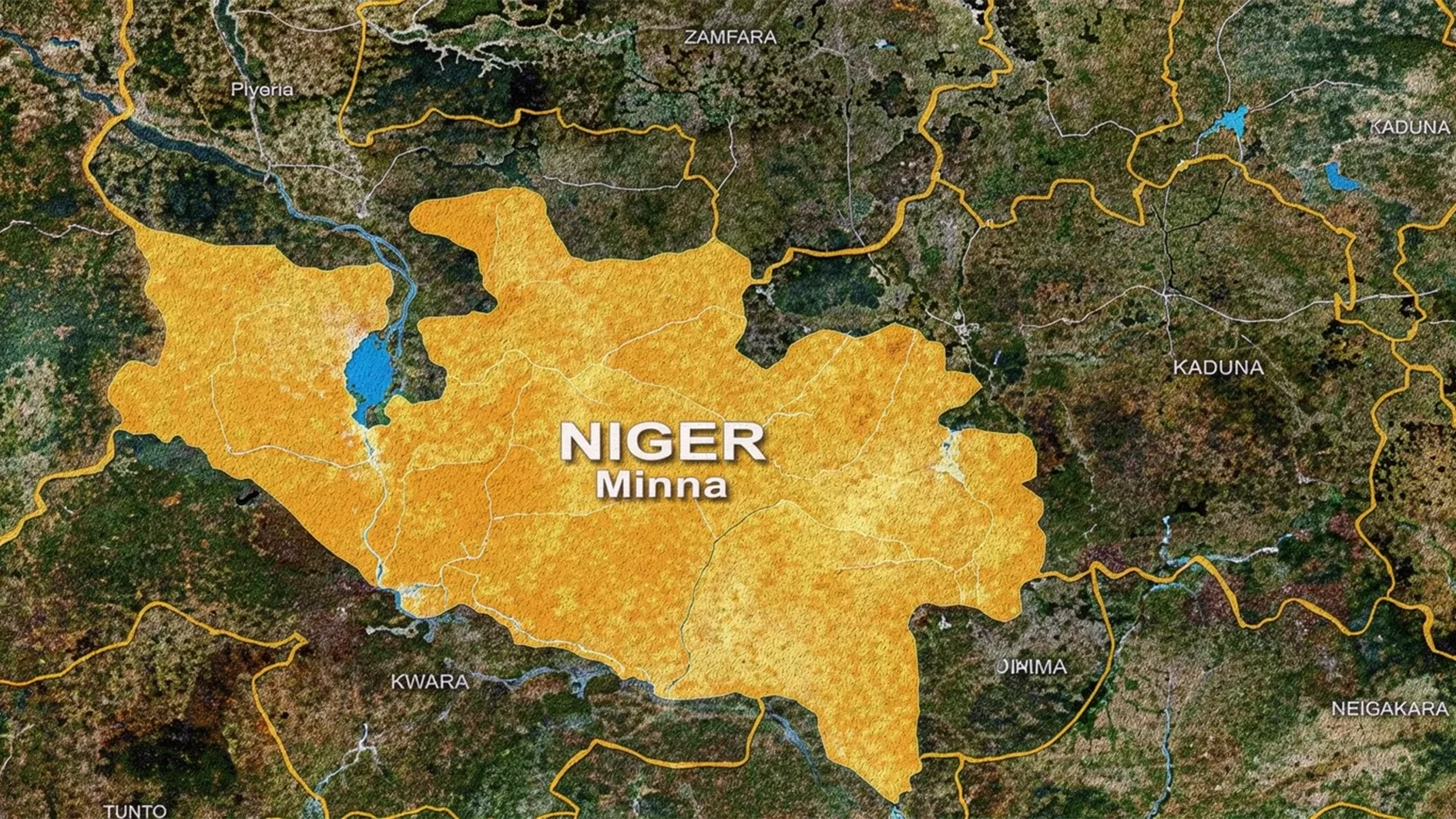
After the inauguration, he returned to Minna, having already moved out his belongings from the Presidential Villa a week earlier.
“As we drove through towns and villages, people gathered by the roadside to wave to us. It was quite a sight. I was a very happy man.”
Author