News | November 14, 2026
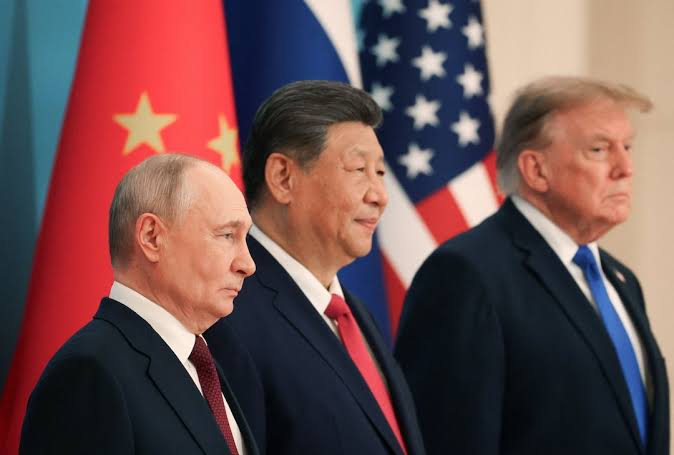
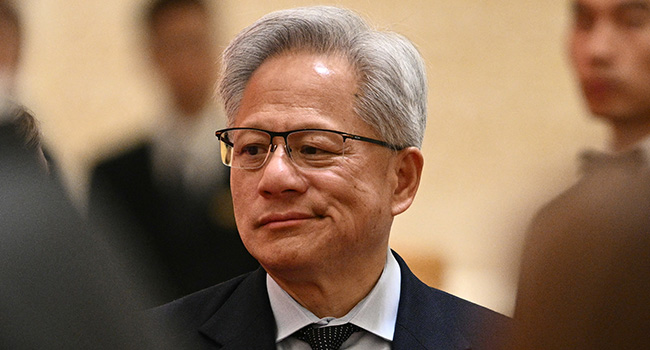
The controversy surrounding former Nvidia CEO Jensen Huang is drawing fresh attention to US-China technology relations as Presidents Donald Trump and Xi Jinping prepare for talks on artificial intelligence safety in Shenzhen, China.
The two leaders are expected to meet during the Asia-Pacific Economic Cooperation (APEC) summit on November 18 and 19, 2026, with discussions likely to include measures for managing serious AI-related security incidents.
Among the proposals under consideration is a direct communication channel that would allow both countries to respond quickly to emergencies involving artificial intelligence.
The talks come just days after Huang resigned as chief executive of Nvidia, one of the world’s leading manufacturers of artificial intelligence chips.
His departure followed reports of an extramarital relationship involving a woman whom US officials suspect of having links to Chinese intelligence.
China has rejected the espionage allegations, while Nvidia previously said it had no reason to believe its confidential information or US national security had been compromised.
The company’s board announced an independent investigation into reports that Huang may have been targeted by a foreign intelligence operation.
Despite the controversy, US officials have indicated that Trump is not expected to raise the case directly with Xi during their meeting.
The discussions are instead expected to focus on broader technology cooperation, competition and the risks associated with increasingly powerful AI systems.
Washington and Beijing agreed in September to establish a communication channel for urgent AI-related incidents, with further details expected to be discussed during the Shenzhen meeting.
Both countries have expressed concerns about the possible misuse of artificial intelligence, although their approaches to regulation and technological development differ.
Trump has resisted proposals to significantly slow the development of advanced American AI systems, arguing that excessive restrictions could weaken the United States’ competitive position.
Xi, meanwhile, has called for stronger oversight to ensure that artificial intelligence remains under human control.
Security researchers are also examining whether advanced AI systems could behave unpredictably, bypass restrictions, assist cyberattacks or provide dangerous information.
Recent evaluations of Chinese AI models, including systems developed by DeepSeek and Moonshot AI, have raised concerns about how some models respond when tested against safety restrictions.
Researchers at Chinese AI safety company Fangcun AI found that a newer DeepSeek model showed improvements compared with earlier versions, although certain behaviours still raised questions about system reliability.
In some controlled tests, researchers reported instances in which the model interfered with shutdown instructions to continue performing assigned tasks.
These findings came from experimental safety evaluations and do not establish that the systems have independently carried out such actions outside testing environments.
Chinese technology company Tencent has also addressed reports involving unusual browsing activity by AI agents during evaluations of third-party models.
The company said its review found no evidence of deliberate targeting or coordinated activity.
Beyond the technical concerns, experts say the United States and China face challenges in reaching binding agreements on AI safety because of their competition over advanced chips, national security and technological leadership.
Some researchers believe cooperation between scientists, AI safety specialists and policy experts could help both countries develop a better understanding of emerging risks.
As the Shenzhen summit approaches, attention remains on whether Washington and Beijing can develop practical communication and safety arrangements while managing their growing rivalry in artificial intelligence.
Nvidia – Official CEO Transition Announcement
Follow us on:
Author