By Chaste Inegbedion | Opinion | COP31 Antalya 2026
Nigeria has arrived at COP31 in Antalya with one of the largest registered delegations, yet President Bola Ahmed Tinubu is absent from the world leaders’ summit. And somewhere between the presidential no-show, thousands of delegates and the search for climate investment, I have a question of my own: Where was my invitation?
There is something fascinating about international climate conferences. We gather to discuss saving the planet, financing innovation and creating opportunities for vulnerable communities. Yet getting access to the rooms where important decisions are made can sometimes feel harder than securing funding for the solutions themselves.
I discovered this during my COP debut in Belém, Brazil, at COP30.

I arrived with questions about climate finance, particularly why organisations delivering meaningful grassroots solutions often struggle to attract investment. My participation in discussions on AI investment at the Climate Mobility Pavilion gave me a clearer understanding of the opportunities and challenges facing emerging innovators.
That experience helped shape Grant Swipe, an AI-powered funding platform being developed by our Chief Technology Officer, Kefas Longshak, who also developed GreenJobs last year.
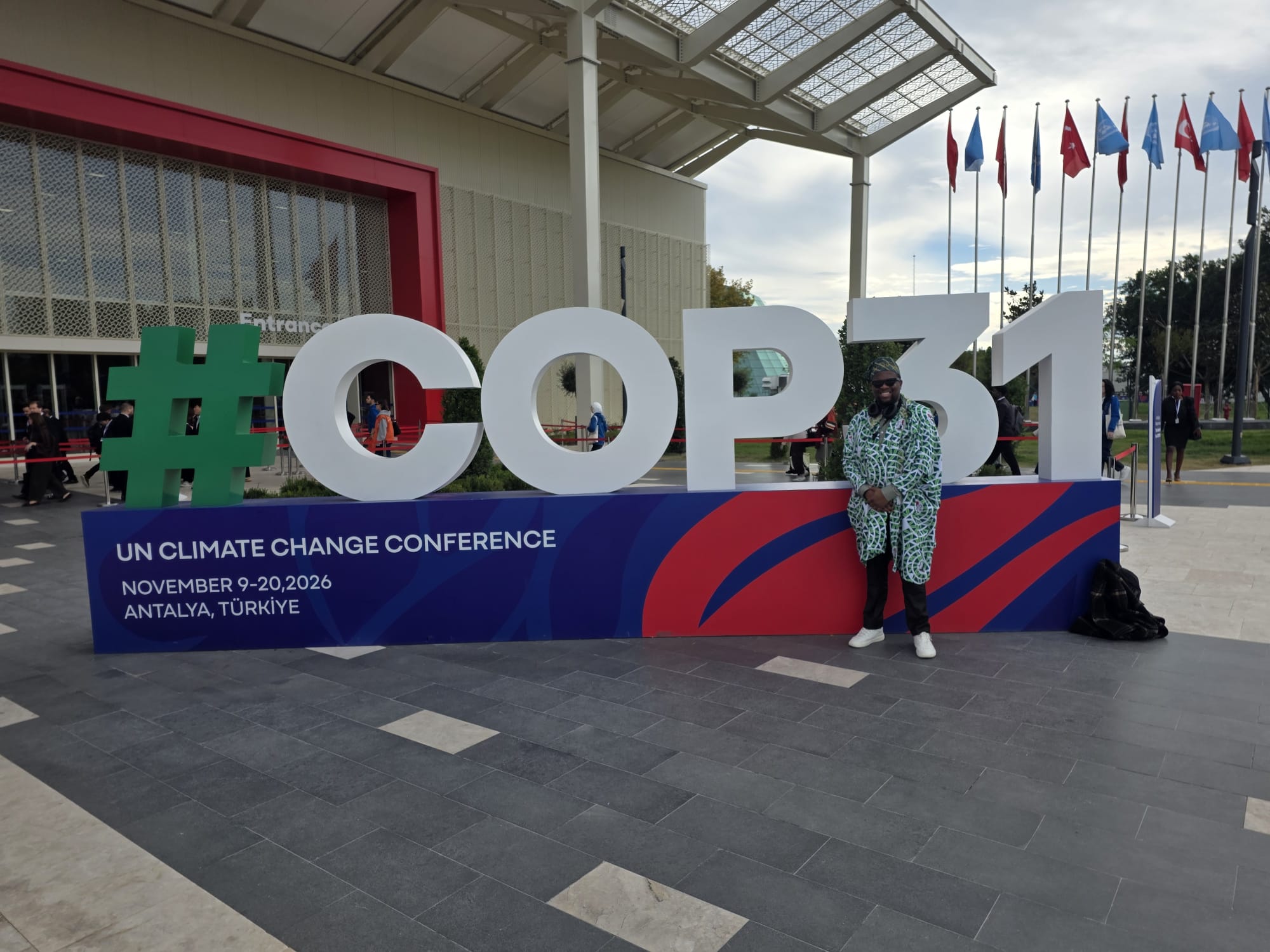
Now, with COP31 taking place in Antalya from November 9 to 20, I find myself asking whether the global climate movement is becoming more accessible or simply gathering more people around the same familiar negotiating tables.
Nigeria’s participation makes that question particularly important.
According to provisional registration figures, Nigeria has 1,506 participants at COP31, placing it among the countries with the largest contingents at the conference.
That is significant representation. But representation alone cannot be the measure of success.
President Tinubu’s absence from the November 11–12 World Leaders’ Summit also raises questions about the level of political attention given to climate diplomacy at the highest level.
Still, I believe the more important issue is what Nigeria’s representatives achieve while they are there.
Will they secure investment for renewable energy, climate-smart agriculture, clean cooking and local manufacturing? Will Nigerian entrepreneurs find investors willing to support their technologies? Will grassroots organisations leave Antalya with access to opportunities that were previously beyond their reach?
Or will we return home with another collection of conference photographs and policy announcements?
The Blue Zone Invitation Problem
One experience that has stayed with me is the challenge of gaining access to major international climate discussions.
The COP Blue Zone brings together government delegations, negotiators, accredited journalists and approved observers.
Access is understandably controlled. Climate negotiations require coordination, security and clear institutional processes.
However, independent journalists, grassroots innovators and smaller civil society organisations can struggle to navigate these requirements.
For COP31, media accreditation required participating organisations to designate focal points and formally nominate journalists, with the standard application deadline set for October 16, 2026.
Nigeria’s National Council on Climate Change also operated a registration portal for eligible stakeholders, with a November 1 deadline.
These procedures serve legitimate purposes. But they also raise an uncomfortable question: How inclusive can global climate action become if many of the people developing local solutions struggle to enter the spaces where funding opportunities are discussed?
Not every innovator belongs to a government delegation. Not every journalist works for an international broadcaster. And not every community organisation has the resources to navigate international accreditation systems.
Their contributions should not matter any less.
Can Artificial Intelligence Make Climate Finance More Accessible?
Let us talk about the money.
Climate finance has a serious accessibility problem. Funding opportunities exist, but organisations with promising ideas may struggle to find suitable grants, understand eligibility requirements or prepare competitive applications.
Consider a community organisation developing affordable clean-energy solutions. Its project may have genuine potential, yet the organisation might lack dedicated grant writers, international connections or technical expertise.
That is the gap we hope to address through Grant Swipe.
The platform is being developed to help environmental organisations, climate entrepreneurs and grassroots innovators discover funding opportunities, identify suitable financing programmes, prepare applications and monitor implementation.
Our CTO, Kefas Longshak, is leading the technology development behind this vision.
Of course, artificial intelligence will not eliminate the climate-finance gap overnight. It cannot replace sound public policy, responsible investment decisions or effective institutions.
But it can help reduce some of the information barriers that keep smaller organisations disconnected from potential funders.
I believe this is where investors and development institutions should pay closer attention.
Instead of focusing only on financing individual climate projects, why not also invest in technologies that make it easier for other climate solutions to receive funding?
A platform that connects credible grassroots organisations with appropriate financing could create opportunities extending far beyond a single project.
What Should Nigeria Bring Home From COP31?
The World Leaders’ Summit took place on November 11 and 12, bringing heads of state and government together to discuss climate commitments and implementation.
But speeches, international visibility and diplomatic engagement should only be the beginning.
For Nigeria, the real opportunities lie in developing practical partnerships capable of addressing energy poverty, unemployment, environmental vulnerability and limited access to finance.
I would like to see Nigerian government institutions working more closely with development banks, renewable-energy companies, climate entrepreneurs, researchers and civil society organisations.
I would like to see women with disabilities participating directly in clean-energy manufacturing, including the production of solar equipment and clean cookstoves.
I would like to see African technology innovators demonstrate practical solutions and receive serious consideration from investors.
And I would like journalists and grassroots organisations to have meaningful access to information, decision-makers and financing opportunities.
These are the outcomes that should define Nigeria’s participation.
From Belém to Antalya: Turning Ideas Into Investment
COP31’s Finance and Trade thematic day on November 13 presents another opportunity to move conversations beyond political commitments.
The programme focuses on green finance, investment, trade and the economic opportunities emerging from the global energy transition.
On that same day, Semaform Foundation is preparing a proposed side event at an invitation-only pavilion to discuss climate finance, AI investment and trade.
The planned programme includes a technology showcase of Grant Swipe and conversations about supporting women with disabilities in the clean-energy economy.
These are precisely the kinds of discussions I hope international climate conferences will encourage.
My experience at COP30 taught me that climate action is ultimately about people, not conference venues.
It is about families waiting for reliable electricity, entrepreneurs trying to expand sustainable businesses and community organisations working to address environmental challenges with limited resources.
COP31 should be judged by whether its discussions result in practical investments, stronger partnerships and measurable improvements in people’s lives.
Nigeria does not need international visibility for its own sake. It needs financing arrangements that support local solutions, expand opportunities and deliver lasting economic and environmental benefits.
And perhaps, next time, the invitation will arrive before the flight.
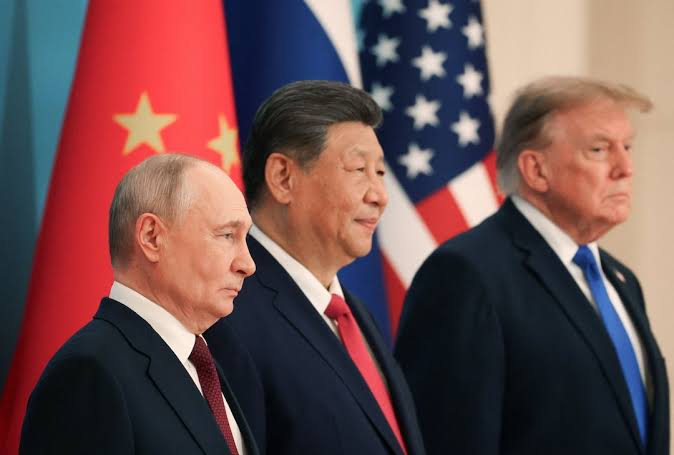
Because the real question is not how many people attended COP31, who received a Blue Zone badge or which president appeared in the official photographs.
The question is whether the people building climate solutions will finally gain access to the resources they need.
The world has spent enough time agreeing that climate change is a problem.
It is time to finance the people working on the solutions.
Chaste Inegbedion is an independent journalist, technology entrepreneur and social impact advocate. He made his COP debut at COP30 in Belém, Brazil, where he participated in discussions on AI investment at the Climate Mobility Pavilion. His interests include climate finance, artificial intelligence, inclusive innovation and global development.
Follow us on:
Author