
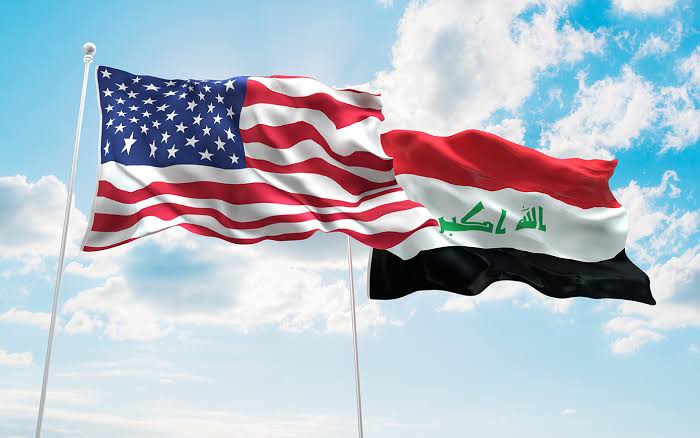
The US-led coalition in Iraq has formally concluded its mission after more than a decade of operations against Islamic State (IS) militants, marking a major transition in the country’s security relationship with the United States and its partners.
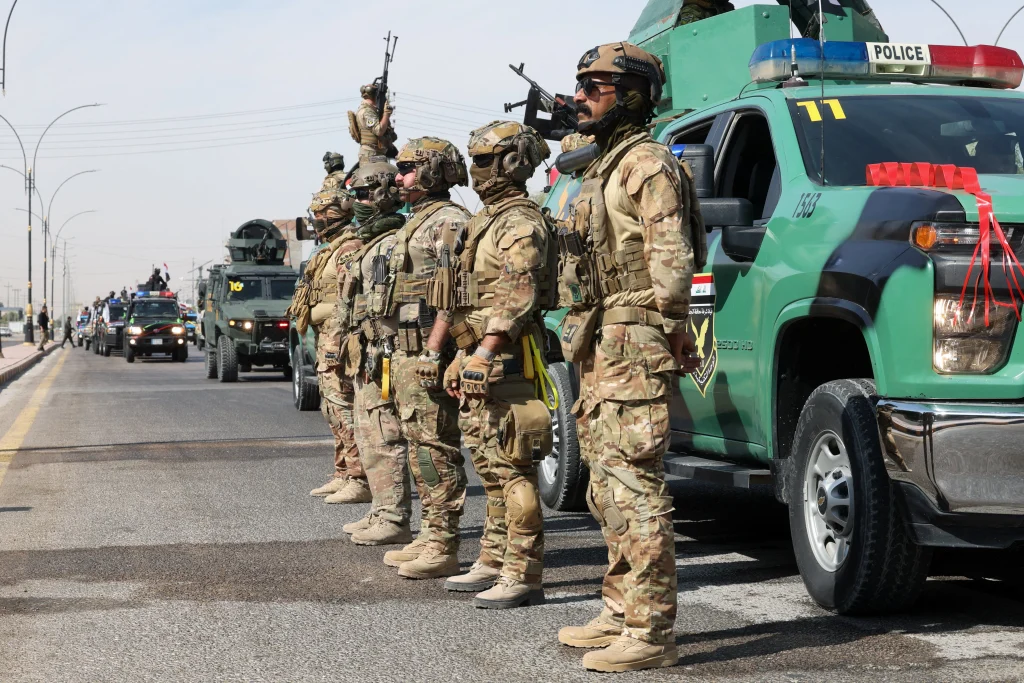
The coalition was deployed to Iraq and Syria in 2014 after IS seized large areas of territory and carried out atrocities, including mass killings and the enslavement of women and children.
IS was territorially defeated in Iraq in 2017 and Syria in 2019, but coalition forces remained in the region to conduct operations against the group’s remnants.
The United States and Iraq agreed in 2024 to wind down the coalition’s mission. Its forces subsequently withdrew from bases across Iraq, with the remaining US presence concentrated in the autonomous Kurdistan region.
On Wednesday, the Pentagon announced the formal conclusion of Operation Inherent Resolve in Iraq.
“Today, the United States and our Coalition partners formally concluded Operation Inherent Resolve in Iraq, consistent with the September 2024 US-Iraq joint statement and US national interests,” the US Department of Defense said.
The Pentagon added that the United States would “continue to provide targeted training and intelligence support to our Iraqi partners.”
Iraq Celebrates Sovereignty
Iraqi authorities welcomed the end of the coalition’s mission, presenting the withdrawal as an important step in strengthening national sovereignty.
Iraqi Prime Minister Ali al-Zaidi described the development as the beginning of a new phase for the country.
“A new phase has begun, defined by Iraq’s sovereignty, the strength of its institutions, the readiness of its forces, unity of decision-making, and balanced partnerships with its friends,” Zaidi said at a ceremony marking the end of the mission.
The Iraqi government has also designated October 1 as Sovereignty Day.
The heads of Iraq’s executive, legislative and judicial branches said the occasion would affirm the country’s progress towards sovereignty and strengthen the authority of state institutions.
They also called for weapons held outside government control to be addressed in accordance with government timelines.
Fears Over Armed Factions
The coalition’s campaign against IS was supported by Iraqi security forces, Kurdish Peshmerga fighters and powerful Iraqi armed groups, including factions aligned with Iran.
While the Iraqi government has welcomed the withdrawal, concerns remain that the departure of US-led forces could strengthen pro-Iran armed factions that have resisted disarmament.
Zaidi, who assumed office this year with US support, has pledged to strengthen the state’s monopoly over weapons and persuade armed factions to hand their arsenals to the government.
His administration initially set September 30 as a deadline for armed groups to disarm but later withdrew the deadline as negotiations continued over arrangements for regulating weapons.
Several influential factions have resisted calls to disarm and have demanded conditions including the withdrawal of foreign troops and an end to US political and economic influence in Iraq.
Kataeb Hezbollah, one of the most powerful pro-Iran groups, described the departure of US forces as a step towards what it called full sovereignty, while also warning the Iraqi government against failing to serve the interests of its people.
Pro-Iran factions have previously targeted US forces in Iraq with drones and missiles, prompting US retaliatory strikes that killed several faction commanders.
During the wider Middle East conflict that began with US-Israeli strikes on Iran, attacks by Iran-aligned groups in Iraq intensified, including strikes targeting US-led forces in the Kurdistan region.
The coalition’s formal departure therefore closes one chapter of Iraq’s post-2014 security campaign while leaving the government to navigate the continued threat from IS remnants, the future of armed factions and its broader relationship with the United States and Iran.
Follow us on:
Author