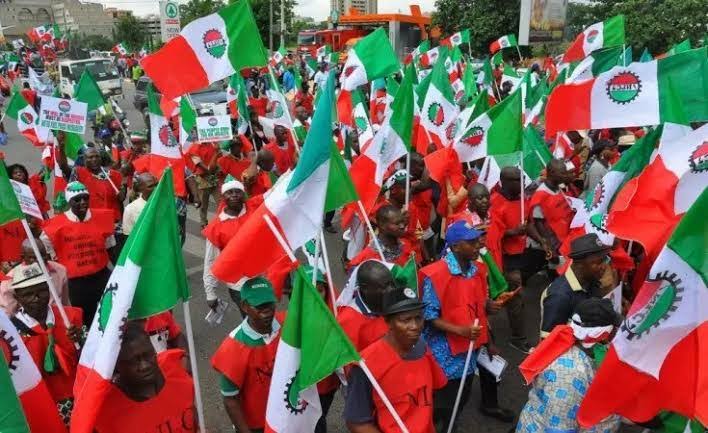

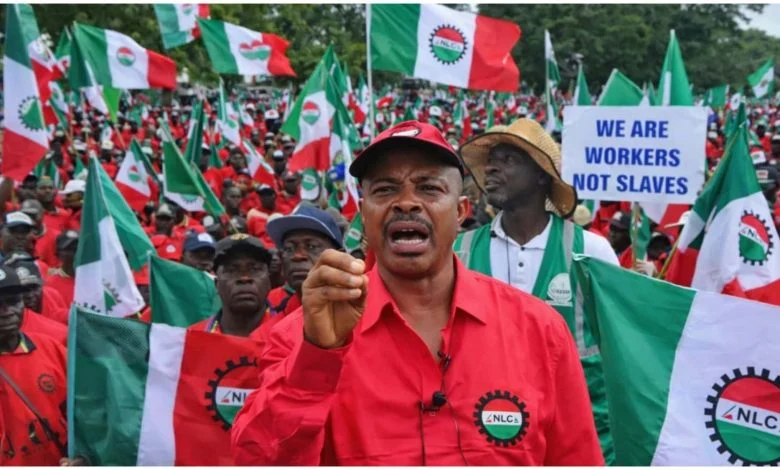
Public servants under the Joint National Public Service Negotiating Council (JNPSNC) have threatened to commence a three-day warning strike on Friday, October 2, if the Federal Government fails to reduce the price of petrol to N500 per litre and approve a wage award for workers.
The council issued the warning after the expiration of its September 30 deadline for the government to address the rising cost of petrol and begin negotiations for a new national minimum wage.
In a statement on Tuesday, Gbenga Olowoyo, national secretary of the JNPSNC and general secretary of the Nigeria Civil Service Union (NCSU), said the council had mobilised workers for industrial action if the government failed to act on its demands.
Olowoyo said the council had earlier written to President Bola Tinubu on September 21, outlining three key demands, including the reduction of petrol prices, approval of a wage award and the commencement of negotiations for a new national minimum wage of not less than N500,000 from 2027.
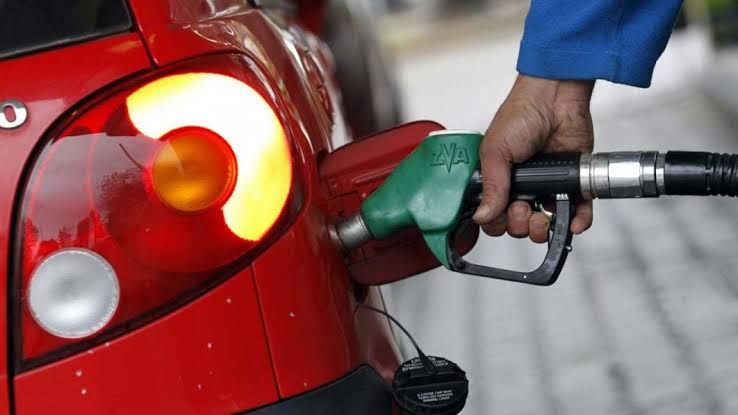
“The three critical issues requiring urgent attention are as follows: reduction of fuel price to N500 per litre. The Federal Government should take urgent steps to bring down the price of Premium Motor Spirit (PMS) to N500 per litre,” the statement reads.
The council also called on the Federal Government to urgently approve a wage award to cushion the impact of prevailing economic conditions on workers, their dependants and vulnerable Nigerians.
It said the President’s Independence Day address should adequately address the demands, warning that failure to take the necessary steps by September 30 would leave workers with “no option but to commence a three-day warning strike” from Friday, October 2.
Workers Demand Action on Petrol Costs
Olowoyo said the government could reduce petrol prices by providing an intervention fund to address the landing costs of the commodity and support oil and gas operators.
He also urged the Federal Government to ensure that crude oil is sold to the Dangote Refinery and operators of modular refineries at appropriate terms to support increased domestic refining and reduce the cost of petroleum products.
According to Olowoyo, petrol currently sells for between N1,450 and N2,000 per litre, with prices reaching as high as N2,500 in some locations outside major communities and cities.
He described the prevailing petrol prices as unacceptable to Nigerian workers, saying the resulting economic pressure was affecting workers, their dependants and the wider population.
“The council maintains that the economic hardship occasioned by the high cost of fuel is placing the survival of Nigerian workers, their dependants and the general populace under severe pressure, making it increasingly difficult for Nigerians to live normal and dignified lives,” he said.
The council said addressing its demands would help public servants sustain their loyalty, commitment and productivity within the public service.
Workers Seek New Minimum Wage Talks
The JNPSNC also called for the immediate constitution of a tripartite committee to begin negotiations on a new national minimum wage.
Olowoyo said the demand was aimed at preventing administrative or procedural delays that could affect the implementation of a new minimum wage after negotiations are concluded and the outcome is passed into law by the National Assembly.
The JNPSNC comprises eight public sector unions, including the Nigeria Civil Service Union, Medical and Health Workers Union, Association of Senior Civil Servants of Nigeria, and National Association of Nigerian Nurses and Midwives.
Other members are the Amalgamated Union of Public Corporations, Civil Service Technical and Recreational Employees; Nigeria Union of Public Service, Reportorial, Secretarial, Data Processors and Allied Workers; National Union of Printing, Publishing and Paper Products Workers; and National Union of Agriculture and Allied Employees.
Follow us on:
Author