
The federal government has set up an off-grid coordination secretariat to track commitments, manage risks and eliminate duplication in electricity projects across the power sector.
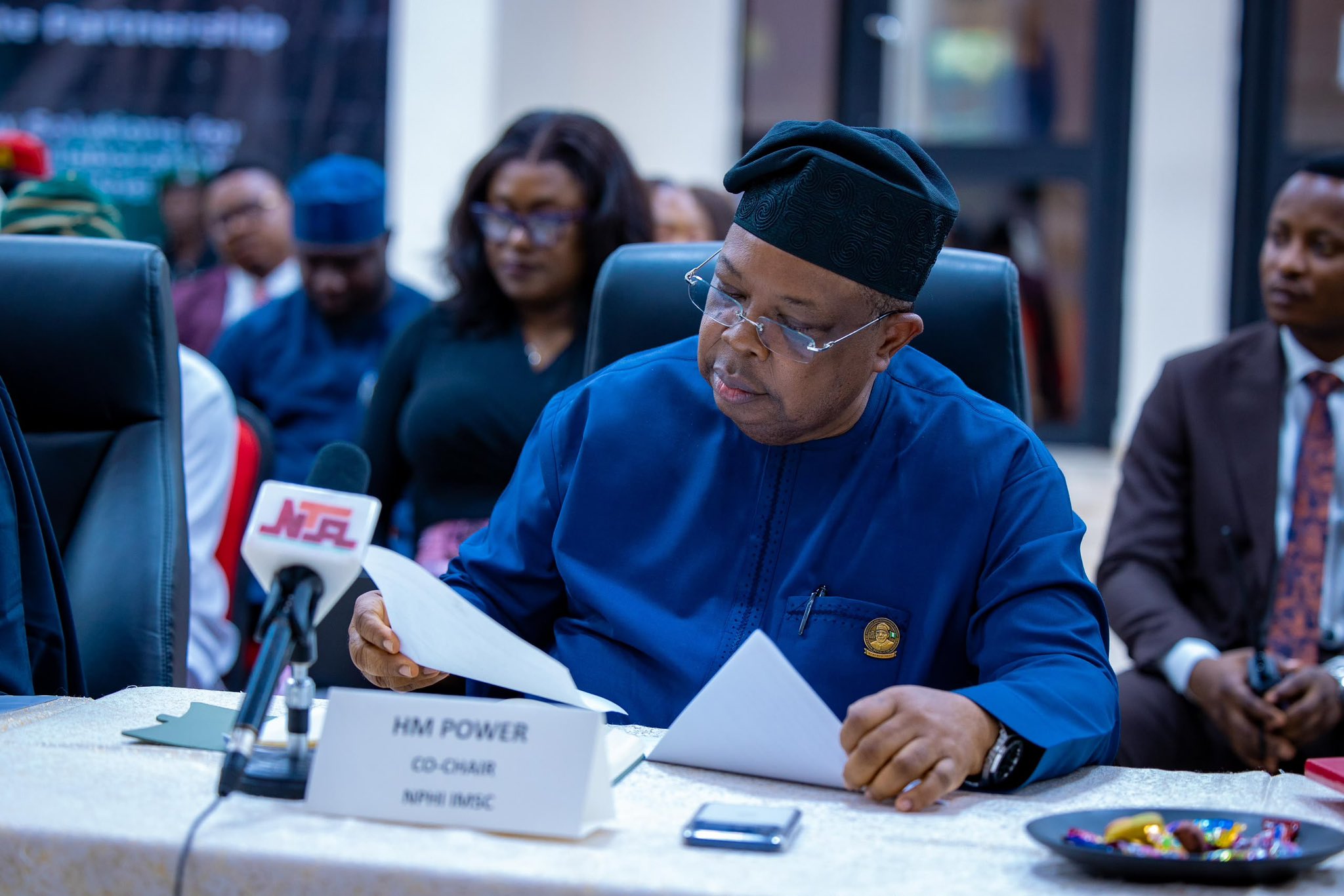
The Minister of Power, Joseph Tegbe, announced this on Monday in Abuja at the relaunch of the off-grid stakeholder coordination and partnership forum, organised by the Rural Electrification Agency (REA).
Tegbe, represented by his Chief of Staff, Doyin Adelabu, said fragmentation is a major obstacle to rapid electrification.
“Fragmentation is the quiet tax every under-coordinated sector pays: in duplicated effort, missed investment opportunities, and slower delivery of power to the Nigerians who need it most,” he said.
What the secretariat will do
Tegbe said the secretariat will convene issue-based working groups and generate shared market intelligence.
He urged development partners, financiers, private operators, state governments and civil society organisations to nominate focal points, share data and take an active part in the coordination process.
He added that the ministry will keep providing policy direction through the national electrification strategy and implementation plan, while supporting state electricity markets under the Electricity Act.
REA backs centralised platform
The Managing Director of REA, Abba Aliyu, said a centralised platform is needed to help stakeholders identify existing projects and allocate resources efficiently.
“As Nigeria’s off-grid energy sector continues to expand in scale, investment, and institutional participation, there is an increasing need to establish an Off-Grid Sector Coordination Secretariat that will provide a structured platform for alignment across government institutions, development partners, private-sector operators, and other stakeholders,” he said.
Aliyu said the secretariat will strengthen coordination across the project lifecycle, from planning and development to financing and implementation. It will do so by promoting information sharing, harmonising interventions, and aligning investments with national and subnational electrification priorities.
“This will help eliminate duplication of efforts, reduce institutional and operational inefficiencies, improve the allocation of scarce resources, and ensure that multiple programs do not inadvertently target the same communities while other underserved areas remain unattended,” he said.
Beyond connection figures
Ikenna-Donald Ofoegbu, representative of Heinrich Böll Stiftung Nigeria, urged stakeholders to look beyond connection numbers when measuring the success of off-grid projects.
“For many years, we measured success largely by the number of mini-grids installed, solar home systems deployed, or connections delivered,” he said.
“These indicators remain important. But the next phase requires us to ask a more consequential question: What happens after the connection?”
Ofoegbu advocated a strategic shift “from successful interventions to scale; from connections to productive use; from donor-supported projects to investable markets; and from individual programmes to a coordinated national ecosystem.”
Partners at the forum
The forum was attended by the Deutsche Gesellschaft für Internationale Zusammenarbeit (GIZ) Nigerian Energy Support Programme, UK Partnering for Accelerated Climate Transitions (UK PACT), SNV Netherlands Development Organisation, the Global Off-Grid Lighting Association and Murty International Ltd.
Follow us on:
Author