
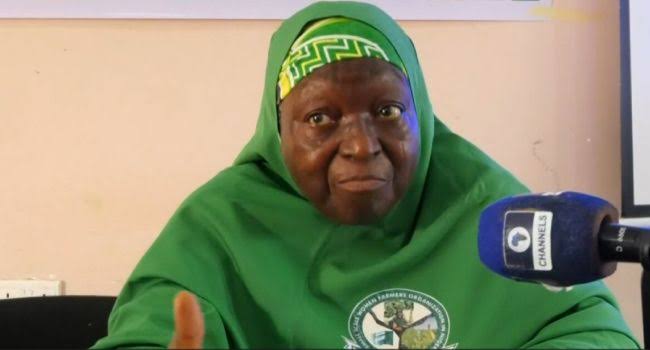
The Small-Scale Women Farmers Organisation in Nigeria (SWOFON), Jigawa State Chapter, has urged the state government to raise agricultural funding from the current average of 6.58 per cent of the state budget to the 10 per cent benchmark set by the African Union’s Malabo Declaration.
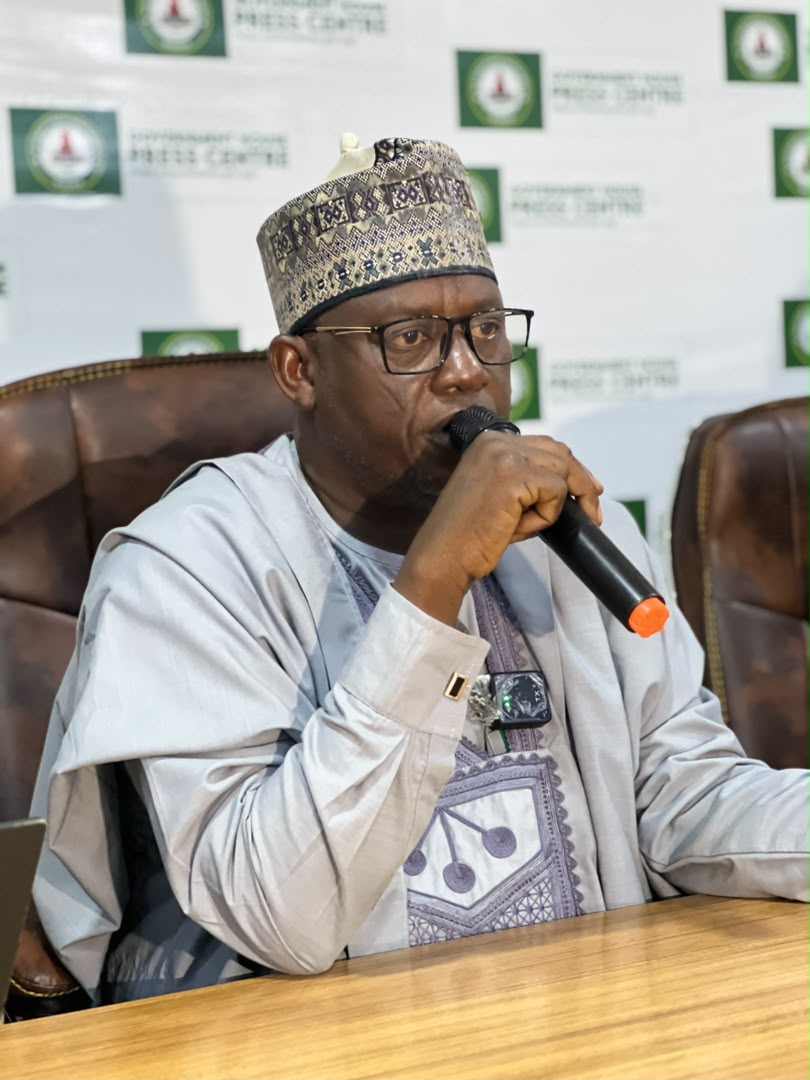
SWOFON made the demand at a press briefing in Jigawa on the findings of a budget accountability assessment conducted with the International Budget Partnership (IBP).
The assessment, covering 2021 to 2025, found that agriculture accounted for an average of 6.58 per cent of Jigawa’s approved budgets, with agricultural capital expenditure recording an average execution rate of 65.9 per cent. “The 6.58 percent average agricultural budget share recorded by the assessment remains below the 10 percent agricultural investment benchmark set out in the African Union’s Malabo Declaration,” the report said.
The report described the execution rate as comparatively strong among the five states assessed. Nasarawa led with 72.6 per cent, followed by Jigawa at 65.9 per cent, Niger at 44.4 per cent, Anambra at 29.3 per cent and Oyo at 17.5 per cent. “Jigawa has made the most significant progress of the five states assessed,” it stated.
SWOFON said Jigawa had institutionalised women farmers’ participation in the budget process. “Jigawa is the only state where citizen input into the budget process is treated as standing practice rather than an annual negotiation,” the report said. It added that Jigawa was the only state where women farmers’ priorities could be traced to specific budget lines. “A central finding from the Jigawa assessment is that the SWOFON Charter of Demands is traceable to specific budget lines, backed by a dedicated gender budget segment spanning health, education and agriculture,” it said.
The assessment found that Jigawa had the most systematically documented delivery of agricultural interventions to women farmers among the five states. “Documented interventions included pumps, processing kilns and N50,000 grants distributed to members,” the report stated. The interventions reached a reported 13,680 SWOFON members, the largest membership base among the five states. However, SWOFON said the state needed to measure their actual reach. “Despite recording the strongest documentation of delivery among the five states, Jigawa has not yet calculated how far its distributed pumps, kilns and grants stretch across its 13,680-member base,” the report said.
Land access emerged as a major constraint. “The assessment identifies customary land tenure norms as Jigawa’s binding constraint,” the report stated, noting that improved access does not necessarily mean secure ownership or long-term control. Across the five states, 84.9 per cent of surveyed members reported some improvement in land access, while 24.5 per cent said they did not own land. SWOFON recommended transparent documentation of beneficiary plots, tenure arrangements and grievance mechanisms in future land-based interventions, and stronger links between women farmers and farm settlements, irrigation schemes, NALDA programmes and state land-allocation schemes.
On income, the report said support must extend beyond production. “A farmer who receives inputs, equipment or grants but cannot access storage, processing, transportation or a profitable market may still struggle to improve her income,” it stated. It identified weak storage, processing, transportation, market information and bargaining power as limiting returns, and urged the government to connect women farmers to aggregation centres, processing facilities, storage, market information, affordable transport, financial services, institutional buyers and value chains.
SWOFON also called for citizen participation to be extended to the local government level, urging the state to “close the remaining allocation gap” by building on the gender budget segment. It further called for regular accountability engagements and public reporting of allocations, releases, expenditure, procurement status, physical delivery and beneficiary numbers.
“Jigawa does not need to begin from zero,” the report concluded. “The State already has a foundation of institutionalised participation, a dedicated gender budget segment, and the group’s strongest documented delivery record.”
Follow us on:
Author