

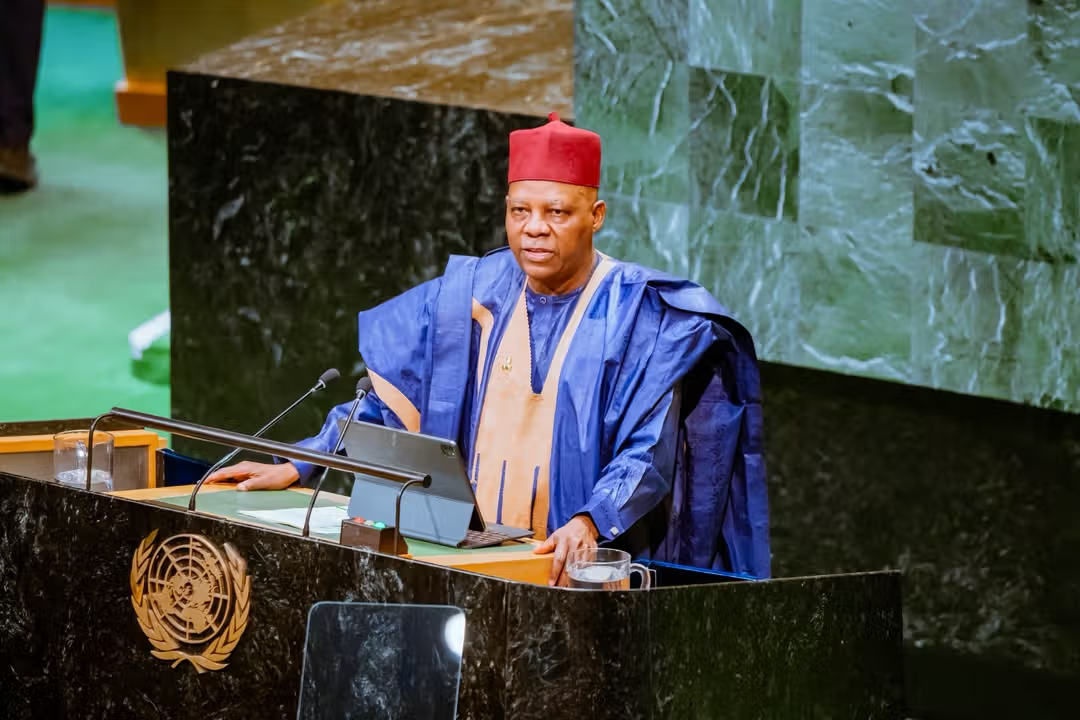
Vice President Kashim Shettima has called for responsible use of artificial intelligence, warning that the technology could be deployed for warfare or harnessed to transform healthcare, education, agriculture, governance and economic productivity.
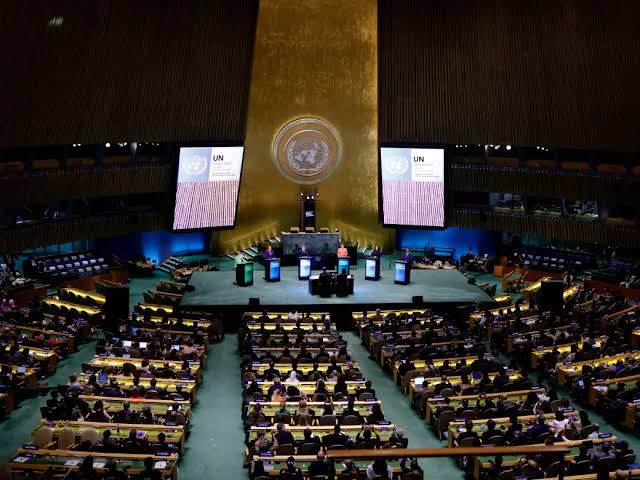
Shettima made the remarks while representing President Bola Ahmed Tinubu at the 81st United Nations General Assembly in New York. His address formed part of Nigeria’s broader position on technology, development, security and international cooperation.
“We can deploy artificial intelligence to wage war or use it to transform healthcare, education, agriculture, governance, and economic productivity,” Shettima said.
The Vice President argued that concerns about the risks associated with AI should not prevent countries from pursuing its development and adoption, saying the consequences of any technology depend largely on how it is used.
“Excellencies, we refuse to surrender our technological future to paranoia.”
He added: “An invention can be destructive or beneficial depending on the purpose it serves and the judgement of those who use it.”
Shettima illustrated his argument with the example of a knife, saying the same object could cause harm or save a life depending on who uses it and for what purpose.
“A knife can take life in the hands of an assailant and can save one in the hands of a sojourner.”
He attributed much of the anxiety surrounding AI to growing distrust among countries and societies, urging governments to pursue cooperation rather than allow concerns over emerging technologies to undermine their potential.
“Much of the anxiety surrounding AI reflects the distrust we have allowed to grow amongst us.”
The Vice President said Nigeria was investing in digital infrastructure, broadband connectivity, research institutions, innovation systems and technology entrepreneurship as part of efforts to expand the country’s digital economy.
“Nigeria is investing in digital public infrastructure, broadband connectivity, innovation systems, research institutions, and technology entrepreneurship.”
He also called for international partnerships with Nigerian technology entrepreneurs and young innovators to develop AI applications focused on improving human welfare.
“We invite the world to work with our inventive, resourceful, and enterprising young people to direct AI towards humanity’s advancement rather than its destruction.”
Shettima’s comments come as Nigeria continues to position digital infrastructure and technology as components of its broader economic development strategy. The Federal Government has recently advanced initiatives aimed at expanding opportunities for Nigerian technology and service companies to access global markets while retaining operations and intellectual property in the country.
The Vice President maintained that technological progress should ultimately be directed towards improving lives and expanding economic productivity, rather than intensifying existing security and geopolitical risks.
Follow us on:
Author