
The Nigeria Employers’ Consultative Association has called on state and local governments to account for the ₦10.4 trillion they received from resources generated following the removal of the petrol subsidy.
The Director-General of NECA, Adewale-Smatt Oyerinde, made the call on Channels Television’s Sunrise Daily on Thursday after the Federal Government disclosed that ₦15.8 trillion in resources was mobilised for the Federation between June 2023 and December 2025 following the removal of the subsidy.
According to the Minister of Finance and Coordinating Minister of the Economy, Taiwo Oyedele, the Federal Government received ₦5.4 trillion, while ₦10.4 trillion was distributed to state and local governments through the Federation Account.
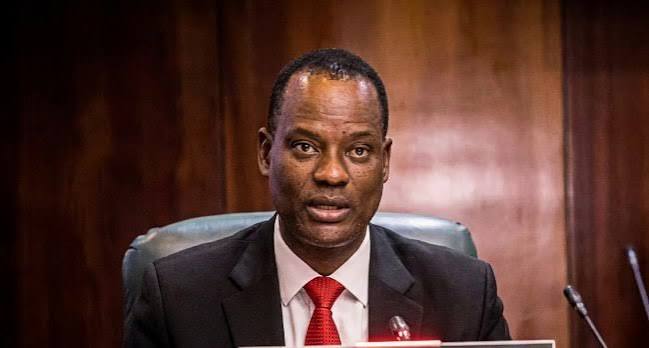
Oyerinde said the disclosure placed a responsibility on state governments, particularly their commissioners for finance, to explain how the funds received had been utilised.
“Absolutely. I think it should trickle down. The commissioners of finance in states, you come out and also say, this is how much we’ve received; this is how much we have spent,” he said.
He compared the need for government accountability with the financial reporting obligations of private businesses to their shareholders.
“We believe strongly that as private businesses, at the end of the year you audit your accounts, you present your scorecard to your shareholders to gauge what we have done. The Minister of Finance has led the way now, and the states also should follow,” Oyerinde said.
The NECA boss urged state and local governments to disclose the amount they had received, the challenges they faced and how the funds had been spent.
“And so this is how much we have received. These are the constraints we face, and this is how we have expended this amount. I think we should move progressively towards transparency in government,” he said.
Oyerinde commended the Federal Government for allowing the Minister of Finance to publicly provide details of government finances, describing the disclosure as a step towards greater transparency.
He said the information would enable citizens and other stakeholders to better scrutinise public spending and engage state and local governments on how public funds were being used.
“I also put citizens, and I must say this, citizens are also in a good position now to engage constructively, engage the state governments constructively, and also engage local governments constructively, because that is where development should actually start,” Oyerinde said.
Oyedele had disclosed that the ₦15.8 trillion generated between June 2023 and December 2025 did not appear as a separate credit in the Federation Account labelled “subsidy savings” but formed part of the resources available to the three tiers of government.
“Between June 2023 and December 2025, subsidy savings mobilised the sum of ₦15.8 trillion in resources for the Federation,” the minister said.
He said the Federal Government also generated ₦3.1 trillion in additional independent revenue during the period, largely from remittances by government-owned entities and increased surpluses from government agencies.
The government also borrowed ₦11.9 trillion between June 2023 and December 2025, bringing the Federal Government’s incremental resources from additional revenue and borrowing to ₦20.4 trillion.
However, incremental expenditure during the same period stood at ₦30.64 trillion.
Oyedele identified the removal of the petrol subsidy and the unification of the foreign exchange market as key reforms introduced by the Bola Tinubu administration to address longstanding economic distortions and reduce pressure on government finances.
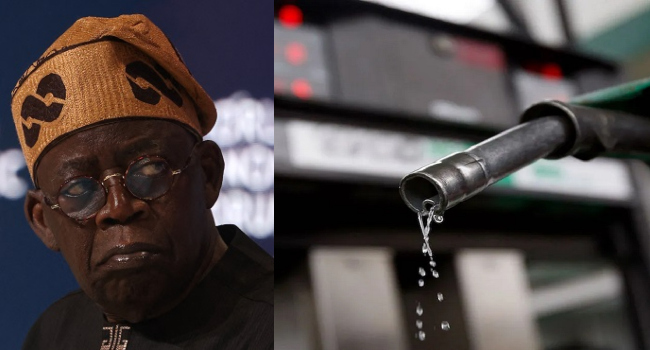
President Tinubu announced the removal of the petrol subsidy on May 29, 2023, during his inauguration, declaring that “subsidy is gone”.
The policy led to a sharp increase in petrol prices and higher transportation, logistics and production costs, intensifying cost-of-living pressures on households and businesses.
The Federal Government has continued to defend the reform as necessary to ease fiscal pressure and redirect public resources to other priorities, while introducing measures such as wage adjustments, agricultural support and the expansion of Compressed Natural Gas initiatives to cushion its impact.
Author