

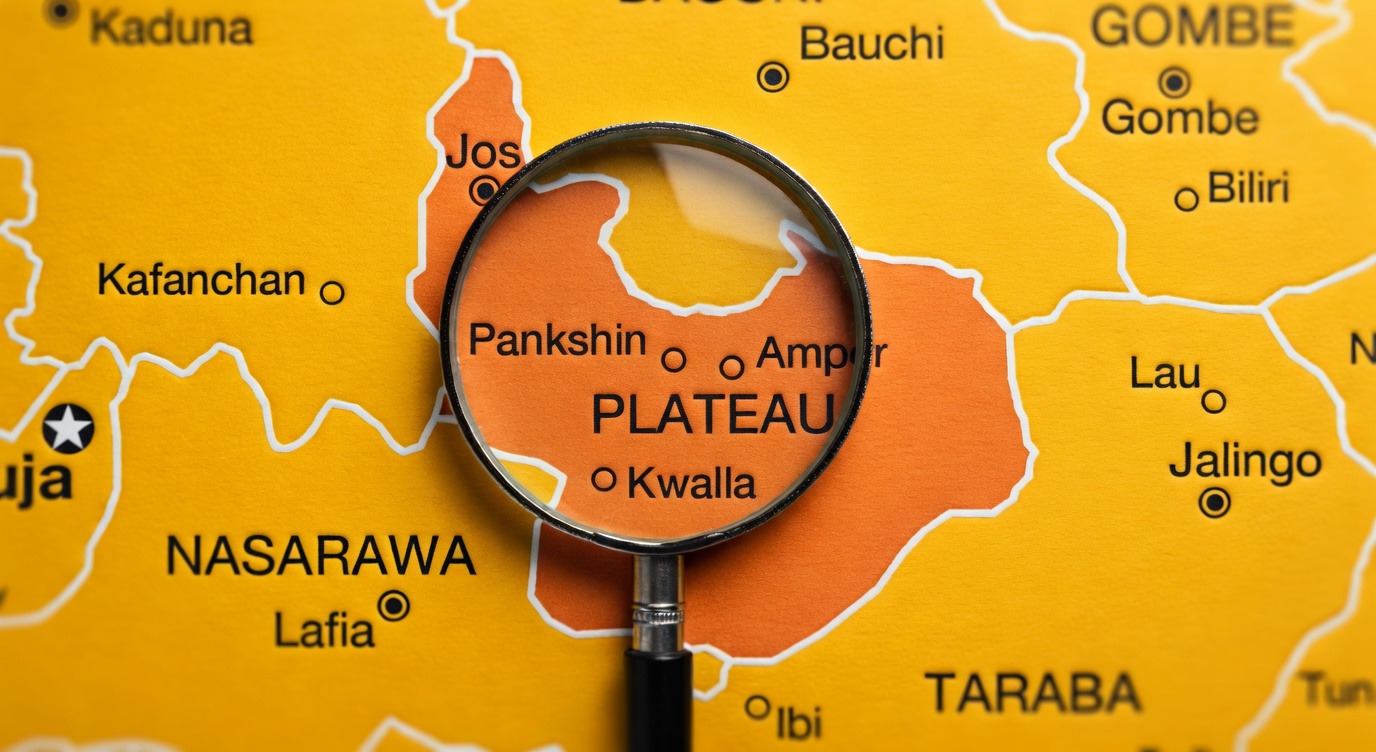
The Plateau State Government says 14 people have died from a cholera outbreak that has infected 441 suspected cases across four local government areas since June 2026.
Commissioner for Health, Dr. Nicholas Ba’amlong, disclosed the latest figures on Monday in Jos while providing an update on the state’s emergency response.
According to the commissioner, 20 cases have tested positive through Rapid Diagnostic Tests (RDTs), while six have been confirmed by laboratory stool culture.
The outbreak has affected 25 wards and 107 settlements across the state.
Ba’amlong said only three patients remain on admission, all in Jos North Local Government Area, describing the decline in active cases as a sign that ongoing interventions are producing results.
He explained that the outbreak was first detected in Mangu LGA in early June, which remains the worst-hit area. Mangu recorded 53 suspected cases, 10 RDT-positive cases, four laboratory-confirmed cases and 10 deaths across nine wards and 64 settlements.
He added that there are currently no active cases in Mangu, with the last infection reported on July 22, 2026.
In Jos North LGA, authorities recorded 277 suspected cases, seven RDT-positive cases, one laboratory-confirmed case and four deaths across 14 wards and 61 settlements.
Ba’amlong said Jos South recorded one laboratory-confirmed case, which has since been treated and discharged without any fatality.
He added that Barkin Ladi LGA reported its first case on July 16, recording 23 suspected cases, two RDT-positive cases and no deaths.
While transmission has been interrupted in Mangu, the commissioner warned that infections are still being reported in Jos North, Jos South and Barkin Ladi, indicating that the outbreak has not been fully contained.
He attributed many of the fatalities to delayed presentation at health facilities and urged residents to seek immediate medical attention once symptoms develop.
Ba’amlong said the Ministry of Health has activated a multi-sectoral emergency response in collaboration with local government councils, the Nigeria Centre for Disease Control and Prevention (NCDC), the World Health Organization (WHO), UNICEF and other development partners.
According to him, response measures include active case searches, expanded disease surveillance, improved reporting systems and continuous supplies of Oral Rehydration Salts, intravenous fluids, antibiotics and other essential medical commodities.
The state also plans to establish additional Oral Rehydration Points in Jos North while providing free and subsidised treatment at designated cholera treatment centres.
Healthcare workers in the affected LGAs are receiving additional training with support from WHO and UNICEF, while Rapid Diagnostic Test kits have been distributed to improve early detection and laboratory capacity has been strengthened.
The government has also intensified public awareness campaigns through radio, television and community outreach programmes, engaging traditional rulers, religious leaders and other stakeholders to promote proper hygiene practices.
Residents have been advised to boil or chlorinate drinking water, maintain good environmental sanitation, avoid self-medication and promptly report suspected cholera symptoms to the nearest health facility.
Author