

The United States has carried out a 10th consecutive night of airstrikes on Iran, as tensions spread beyond the Persian Gulf to the Red Sea following a new maritime blockade announced by Yemen’s Houthi movement.
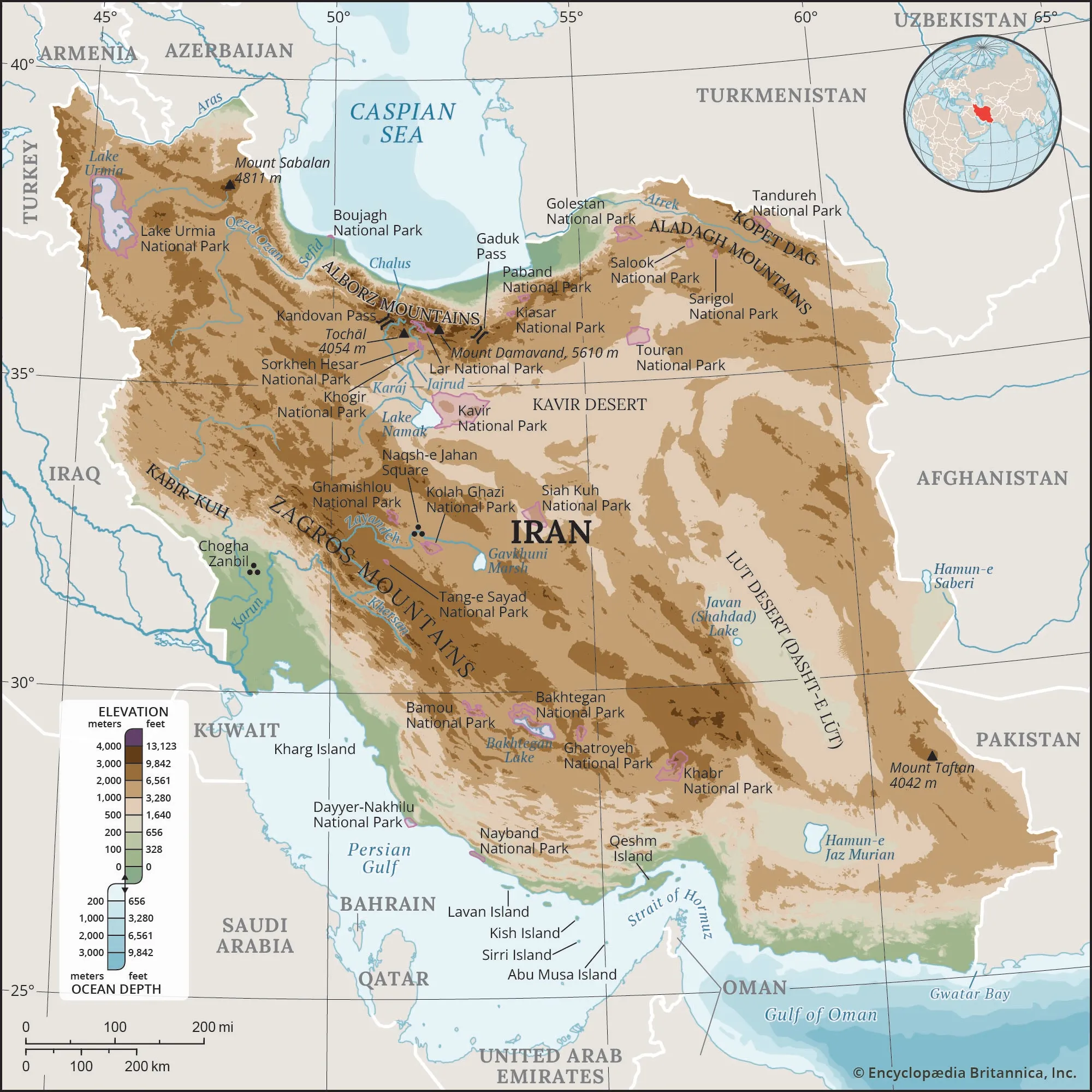
Explosions were reported overnight in several parts of Iran, including Sirik, Bandar Abbas, Qeshm Island, Chabahar and Konarak.
In a statement posted on X, the United States Central Command (CENTCOM) said its forces targeted Iranian military command centres, missile and drone launch sites, maritime capabilities and air defence systems.
According to CENTCOM, the operation is aimed at weakening Iran’s ability to threaten commercial shipping in the Strait of Hormuz.
“Commercial vessels transit through the vital international maritime corridor continue. Since early May, CENTCOM forces have helped facilitate the transit of approximately 900 commercial vessels and 450 million barrels of crude oil.”
The latest strikes come as the Iran-backed Houthi movement in Yemen announced a maritime blockade on Saudi Arabian ships, threatening to widen the regional conflict.
The Houthis said the blockade was in retaliation for last week’s attack on Sanaa International Airport and the continued restrictions on the airport.
The latest escalation began after Yemen’s internationally recognised government attempted to prevent an Iranian aircraft carrying a Houthi delegation from landing at Sanaa International Airport. Saudi-backed forces reportedly bombed the airport’s runway, prompting the Houthis to launch retaliatory strikes on a Saudi airport.
Yemen remains divided between rival authorities, with the Iran-aligned Houthis controlling Sanaa and much of northern Yemen, including the strategic Red Sea port of Hodeidah, while the internationally recognised government operates from Aden with support from Saudi Arabia and its Gulf allies.
Although it remains unclear how the Houthis intend to enforce the blockade, analysts say any disruption to shipping routes alongside rising tensions in the Strait of Hormuz could further destabilise global energy markets.
Meanwhile, Iran rejected US claims that commercial vessels are freely transiting the Strait of Hormuz, insisting ships require its approval before entering the waterway.
Tehran also warned that alternative routes remain hazardous because of mines and other security threats.
According to ship monitoring reports, the few vessels that have passed through the Strait since the latest escalation travelled through Iranian-controlled waters, reportedly with Tehran’s approval.
Iran has repeatedly described control of the Strait of Hormuz as one of its key strategic advantages in its confrontation with Washington, maintaining that the waterway will not return to unrestricted access following the outbreak of hostilities in February.
The conflict has also expanded across the Gulf.
According to Al Jazeera, Iran’s Islamic Revolutionary Guard Corps (IRGC) said it carried out strikes on major US installations in Bahrain and Kuwait on Tuesday.
The IRGC accused the United States of destabilising the Middle East through its military actions.
Iranian President Masoud Pezeshkian has previously described the conflict as a “full-scale war” with the United States.
Foreign Ministry spokesperson Esmail Baghaei also said Iran is preparing for the possibility of a US ground invasion.
According to Baghaei, Iranian authorities are “counting down the minutes to welcome” American forces should such an operation take place.
Author